Lebanon and the last echo of Iran’s voice



شارك على
 مسنجر
مسنجر
 واتساب
 ثريدز
ثريدز
 بريد إلكتروني
 الطباعة
شارك على




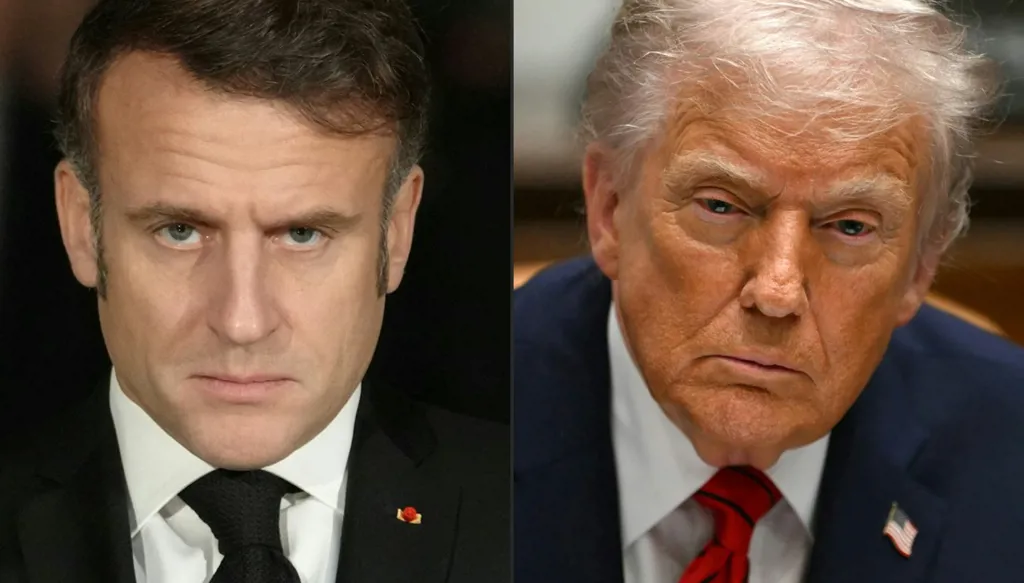
It may no longer be acceptable for the Lebanese state, and specifically for its political decision embodied constitutionally by the Council of Ministers as a whole, to hide behind waiting for the outcome of the unpleasant carrot-and-stick game currently taking place between the American president and Iran’s clerical regime, in order to buy time before an inevitable deadline that must come regardless of what happens in the world, not only in the Middle East.
What compels reminding of the dangers of the repetitive circling around the inevitability of disarming Hezbollah, and of dismissing the real, fabricated, or false fear of a confrontation with the party, is the ongoing, accumulated, and dangerous imbalance between the state’s leniency, its political decision, and also the army’s decision, regarding the urgent and decisive implementation of the second phase of the plan to confine weapons north of the Litani River.
Meanwhile, the party is far ahead in practicing blackmail, threats, and warnings of civil war or armed chaos, and it bullies state pillars from the top down without blinking an eye.
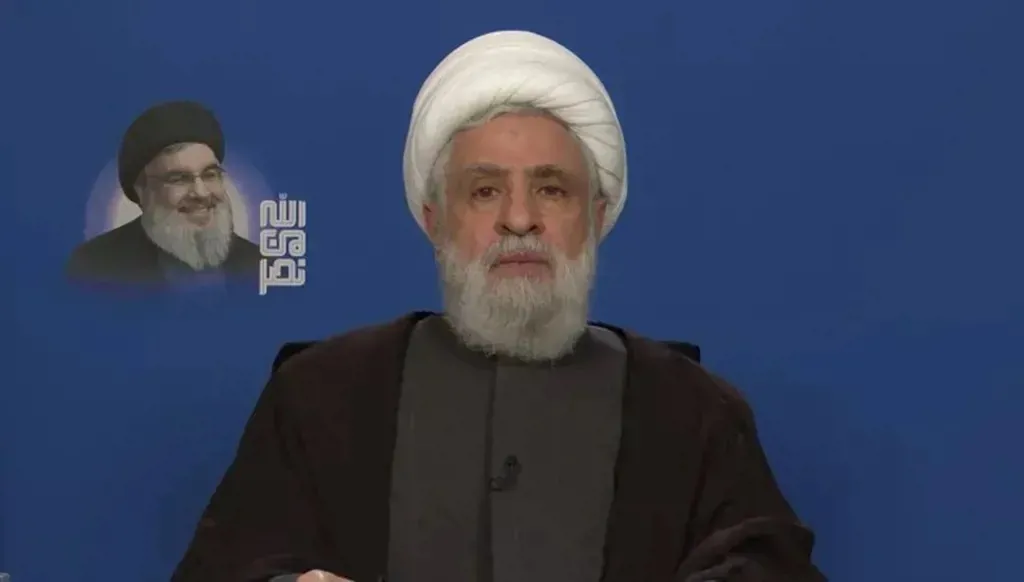
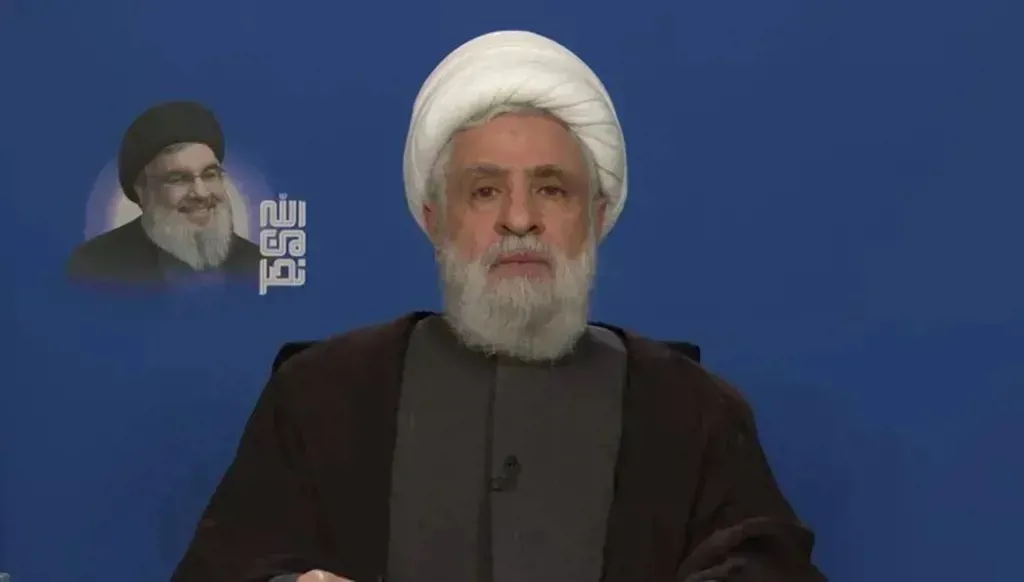
Without any doubt, the bullying of Sheikh Naim Qassem, deputy secretary-general of Hezbollah, in his latest speech against state institutions, the government, and the foreign minister, and the level of expressive rashness he reached, reflect two meanings that cannot be separated. First and foremost, it is the scream of someone unable to believe that the iron party, once surrounded by awe and power that terrified both rivals and allies, has withered and declined, and is now on a worse trajectory in terms of no longer frightening anyone, except perhaps the Lebanese state, which is why he continues trying to intimidate it. He also calculates that the countdown for his “sponsoring state,” Iran, toward the risk of its regime’s end may push him in Lebanon toward maximum adventures, even maximum risk similar to the Gaza support war which backfired on him disastrously. Thus, the extremely rash timing of Naim Qassem’s latest attack on the state was akin to an exposure revealing the disturbed inner reality the party is living, as one of Iran’s most prominent arms in the region.
From a cold and distant perspective, away from the reactions and confusion of Naim Qassem (deputy secretary-general of Hezbollah, who quickly rushed to consume the legacy inherited from the former secretary-general who shaped the party’s strongest leadership for three decades), it can be said that “Iran’s voice” in Lebanon is nearing its end. Not in terms of timing, which cannot be asserted as long as the Iranian regime is now confronting, bargaining, and manipulating Iran’s fate under the weight of the “Trump Law” and its guillotine or deals, but in terms of exhausting the final breaths of an obsolete pattern that the party is incapable of abandoning, leaving, or changing, as past experiences have proven and continue to prove repeatedly.
It is no exaggeration that the real “gap” the party lives off is its awareness, just as many others are aware, that the Lebanese state, through its political and military decisions, excessively indulges in fear and caution of what is called intimidation or fearmongering about civil war, sectarian strife, or a field confrontation with the party. All of these are terms from the “scrap heap” of a bygone era that ended with the wars of the last three years, due to an almost surreal transformation in the reality of the entire Middle East, and Lebanon was among the first countries struck by its earthquakes.
It is natural that all the party’s opponents and rivals, as well as the rare few of its allies if they dare, would resort to brandishing the cessation of hostilities agreement that was falsely presented as an agreement between Lebanon and Israel, whereas in reality it was a bilateral agreement between Israel and the Shiite duo in Lebanon (Hezbollah and Amal) under exclusive American mediation, as a lethal document in demanding the decisive removal of the party’s weapons, which the party had accepted as its fate at the time, and now denies and flounders over in accordance with the obsolete language it was raised on.
Disclaimer: The opinions expressed by the writers are their own and do not necessarily represent the views of Annahar
العلامات الدالة
الأكثر قراءة