

Education response during the Iran war crisis in the Middle East


 Messenger
 Whatsapp
 Threads
 Email
Email
 Print
Print
 X
X
 Facebook
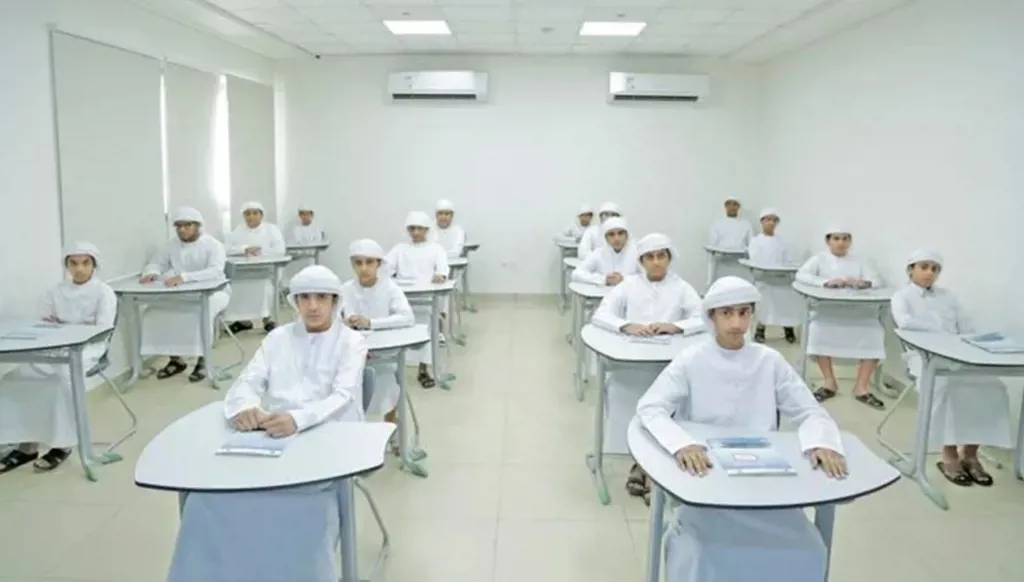


In March and April 2026, the education sector in countries across the region went through two clear phases: a phase of closures and a shift to remote learning at the beginning of March, followed by a gradual or full return to in person education between mid-April and the end of April.
The United Arab Emirates experienced a complete shift to remote learning starting on 2 March due to missile threats from Iran. Virtual learning was extended until 17 April, with international examinations such as A Levels and IGCSE being cancelled or replaced with alternative assessment systems. Thanks to the UAE’s advanced digital infrastructure, remote learning proved highly successful, especially as the country’s education system is known for its flexibility. The official return to in person schooling took place on 20 April after the ceasefire, with more than one million students returning to classrooms under strict safety measures and a hybrid system. This made the UAE one of the first countries to fully return to in person education after an organized closure phase.
In Saudi Arabia, international exams such as CBSE were postponed at the beginning of March due to the war, and remote or flexible learning was widely adopted in some areas because of strict security measures following Iranian strikes on Saudi facilities and infrastructure, particularly in the Eastern Province close to the military conflict zone. During April, there was a gradual return to in person education, without a unified nationwide reopening announcement like in the UAE, while emergency plans and blended learning continued to be implemented.
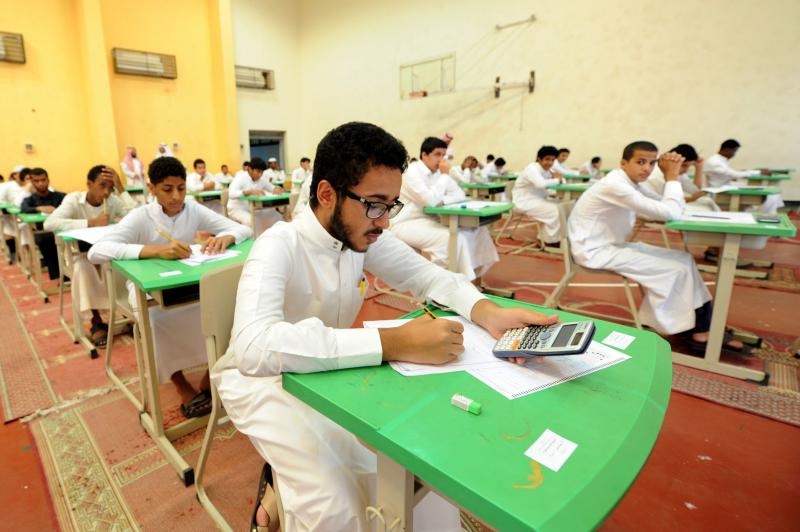
In Qatar, international exams were postponed, remote learning was adopted for short periods, followed by a gradual return to in-person education, with continued use of a blended learning model, especially in international schools.
In Kuwait, international exams were postponed, and remote learning was used temporarily before returning to flexible education between in-person and online learning.
In the Sultanate of Oman, precautionary measures were limited, with a relatively normal return to in-person education.
In Bahrain, the impact was limited, with emphasis on precautionary measures.
Jordan was among the countries that condemned the Iranian attacks and raised its alert level, and it was affected by airspace closures and regional evacuation operations. However, there was no full closure of education. Emergency plans were strengthened, and partial flexible learning was adopted in some institutions, especially international universities. Education largely continued in-person, with security monitoring and readiness for digital transition if needed.