

Lebanon and Israel hold first direct talks since 1993 in Washington
US-hosted meeting on Tuesday brings both sides together amid ongoing border tensions and cautious expectations.


 Messenger
 Whatsapp
 Threads
 Email
Email
 Print
Print
 X
X
 Facebook
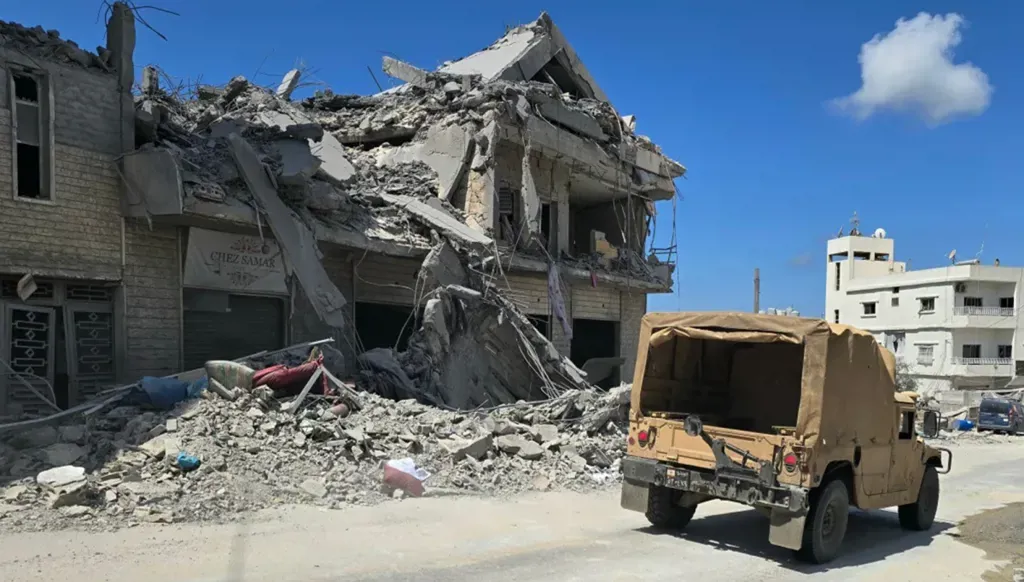


Lebanon and Israel are set to hold talks today, Tuesday, at the ambassador level at the United States State Department headquarters in Washington. These talks are the first of their kind in decades, although a United States official told Agence France Presse that there is little chance of reaching an agreement.
In addition, a State Department official told Axios that Israeli and Lebanese government representatives will hold direct and high-level diplomatic talks on Tuesday under United States sponsorship. This is the first meeting of this kind since 1993.
He said the discussions will focus on ongoing efforts to ensure long term security along Israel’s northern border and to support the Lebanese government’s efforts to fully restore its sovereignty over its territory and political affairs.
The official emphasized that Israel is in a state of war with Hezbollah, not with Lebanon, and therefore there is nothing preventing the two neighboring countries from engaging in dialogue.
The meeting today will include the United States Secretary of State Marco Rubio, the United States Ambassador to Lebanon Michel Issa, the American advisor Michael Needham, the Israeli Ambassador to the United States Yechiel Leiter, and the Lebanese Ambassador to the United States Nada Hamadeh.
Israeli Channel 15 reported, citing sources, that the meeting between the Israeli ambassador and the Lebanese ambassador will take place on Tuesday at 11 a.m. Washington time, which is 6 p.m. Beirut time.
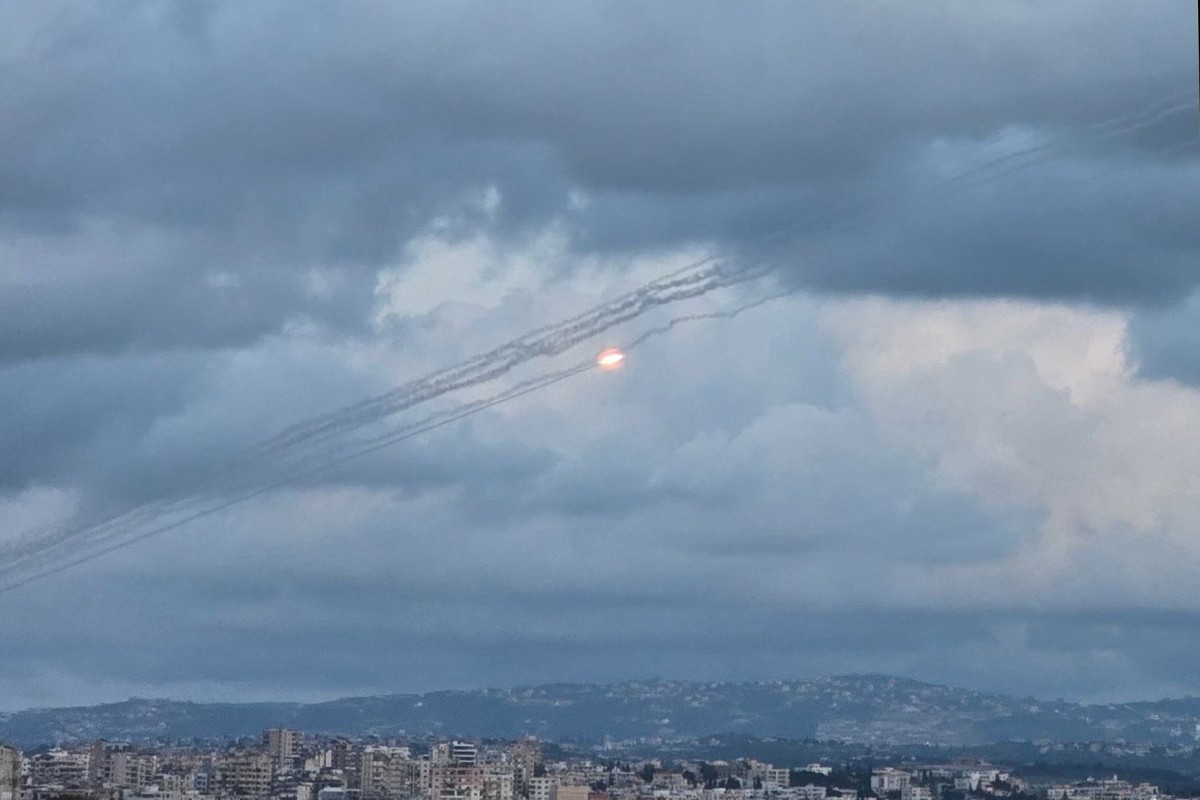
In turn, the Israeli government spokesperson Shosh Bedrosian said on Monday that this dialogue between Israel and Lebanon aims to disarm the terrorist organization Hezbollah, expel it from Lebanon, and establish peaceful relations between the two countries.
She added that Israel will not negotiate a ceasefire with Hezbollah, which continues to carry out indiscriminate attacks against Israel and its civilians.
Hezbollah rejects…
On Monday evening, the Secretary General of Hezbollah Naim Qassem called on the Lebanese state to cancel negotiations with Israel.
He said the Lebanese state, in the face of aggression, should confront it and task its army and security forces with resisting the enemy. He also described negotiations with Israel as submission and surrender.
Qassem stressed that the only path to achieving sovereignty is the implementation of the November 2024 agreement, through a complete halt to the aggression, an immediate withdrawal from all territories, the release of prisoners, and the return of people to their villages and towns up to the last house along the border strip and Lebanon’s borders.
The talks between the two countries come amid ongoing mutual shelling between Hezbollah and the Israeli army along the Lebanese Israeli border.
It is worth noting that in 2022, Lebanon and Israel held US mediated talks that led to a bilateral agreement demarcating their maritime border.
In December 2025, the two sides held indirect talks with United States involvement in an effort to consolidate the agreement that ended the fighting between Israel and Hezbollah in 2024.
Low expectations for the negotiations
In Washington, United States diplomacy has found itself in an awkward position in recent weeks due to Israeli strikes in Lebanon, which may also complicate negotiations with Iran in Islamabad, after their first round failed on Sunday.
The Trump administration insists on disarming Hezbollah, expressing regret that the Lebanese army has not been able to do so so far. However, Washington finds itself caught between two positions, as it calls for respect for Lebanon’s territorial integrity while also defending Israel’s right to self defense.
A former Israeli security official told journalists that it would take a great deal of imagination and optimism to believe that the conflict between Israel and Lebanon could be resolved tomorrow in Washington, adding that expectations are low.
He told Agence France Presse, speaking on condition of anonymity, that it would be very difficult to reach an agreement, and that Israel would establish a buffer zone in the north similar to the one it has in Gaza.