Trump’s Iran gambit: Oil, ultimatums, and a war without end


شارك على
 مسنجر
مسنجر
 واتساب
 ثريدز
ثريدز
 بريد إلكتروني
 الطباعة
شارك على




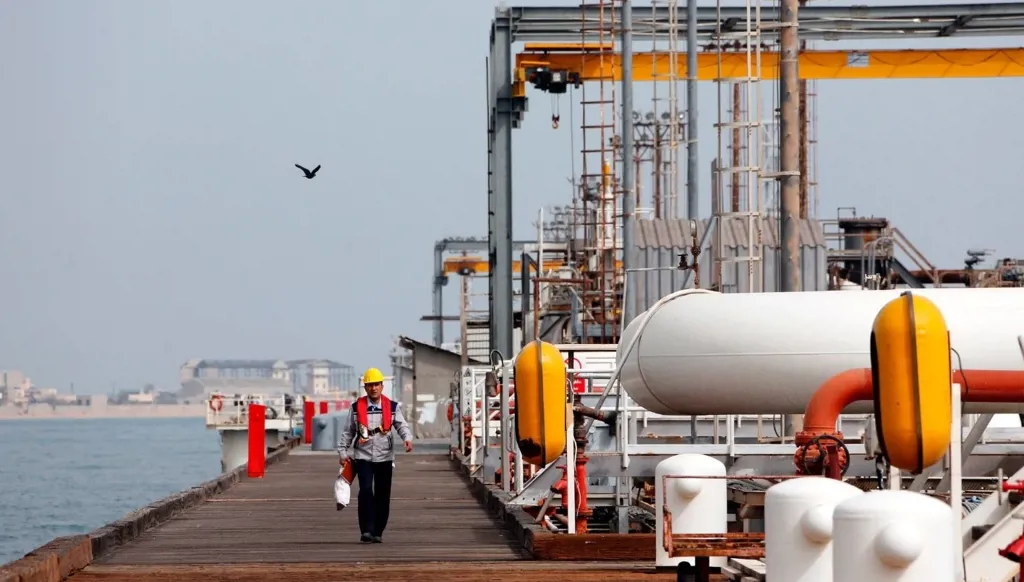
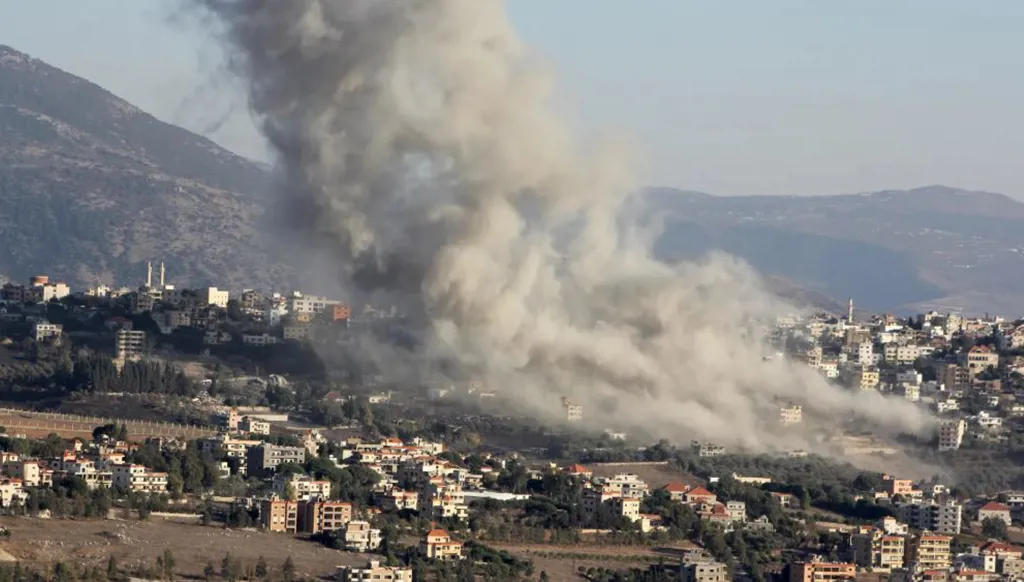
A little extra time… that’s what Donald Trump needs, as he wrote, during which “we can easily open the Strait of Hormuz, take the oil, and create wealth.” It will be “a gushing oil well for the world.” The implicit meaning is that this oil will be under American control, as is Venezuelan oil now, and Iran will be returned to the “Stone Age,” as he threatened, unless it submits to the conditions of the United States. Oil only appeared in Trump’s “targets” at the end of the first month of the war, so does this mean that he has actually eliminated the nuclear and missile programs, or has he managed to “change the regime” after decapitating it and killing most of its leaders, or has he severed the connection between Iran and its regional “proxies”… so the only thing left in the target bank is to “take” the oil?
On the eve of the end of “Trump’s deadline,” both sides of the war exchanged threats of “hell,” for neither the existing devastation affected the decision-makers in Iran, nor did the crises and disturbances generated by the war in the region and the world alter Trump’s calculations—or those of his sole ally, Israel. American analysts agree, even before others, that the president has no clear idea of how to end the war, so he escalates it without regard for allies, friends, or even those opposed to Tehran.
The energy crisis emerged in the first week, worrying both producing and consuming countries, yet he downplayed its significance, claiming it was temporary or asserting it would bring “a lot of money” to American producers. Certainly, his advisors have warned him that this crisis undermines the war and its cause, but the Pentagon presents him daily with lists of destroyed targets, supposedly to be translated—militarily—into Tehran’s acceptance of “terms of surrender.” Yet this logic does not align with the ideology of the mullahs. As for Trump, he framed his war on Iran in the historical context of America’s wars that ended with surrender (Nazi Germany and Japan) or the fall of regimes (Iraq and Afghanistan).
Trump chose the timing of his speech at the beginning of the second month of the war to be at night, after the stock and oil markets had closed on a relatively calm note. Before that, he had taken positions that suggested to the world he was preparing to end the war one way or another, yet he renewed his resolve to settle it militarily, threatening Iran with two or three weeks of severe bombing “to complete the objectives.” Why? Because he did not receive the signal he expected and wanted from contacts with Iran through Pakistani intermediaries.
Trump responded by agreeing to negotiate, but “without ceasing fire,” extending his initial ultimatum to open the Strait of Hormuz from two days to five, then to ten, warning that otherwise he would order the “erasure” of power stations and energy facilities. This was accompanied by the deployment of thousands of American soldiers and threats to seize Kharg Island. When negotiations faltered between the 15 American conditions and the five Iranian ones, the ultimatum became clearer: the Iranians must accept the American conditions or risk their oil wealth.
Despite the fact that the American president has accustomed the world to his fluctuations, this time he seemed convinced that he could neither hesitate nor retreat, and could not lose as long as he was not defeated militarily. As long as the plans prepared by the Pentagon guided him to a strategic point of weakness through which he could pressure Tehran, oil became his ultimate threat against it—even if doing so prolonged the war, worsened the energy crisis, and amplified the anxieties of allies and friends.
It’s true that Trump toyed with the idea of withdrawing from NATO in a moment of anger with “yesterday’s allies,” leaving them to handle their own affairs with Iran in the Strait of Hormuz. But retreating without declaring “victory” would amount to America taking revenge on itself for failing to break the “Hormuz knot” and escaping responsibility for the chaos caused by his war. Such a move would contradict Trump’s image and way of thinking, while undermining America’s standing with its Gulf allies. Moreover, withdrawal would mean that Tehran, not Washington, had ended the war, effectively granting Iran a form of “victory” via the “Hormuz card.” More importantly, it would leave Iran wounded yet agitated toward the Gulf countries, signaling that one war could easily spark another.
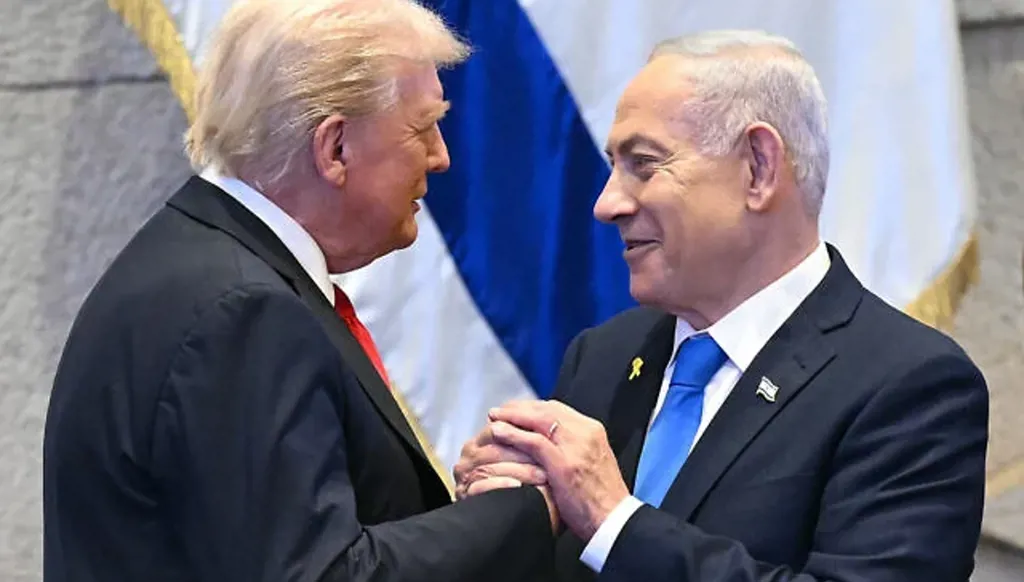
One of the increasingly worrying factors is that the trio—Benjamin Netanyahu, Marco Rubio, and Pete Hegseth—who engineered the war and continue to oversee its course, no longer hide that they are executing a religiously motivated strategy (Crusader and Biblical) against an Iranian regime that cloaked its expansionist projects with sectarian slogans. This American-Israeli darkness overshadowing the war is matched only by the darkness of the Iranian regime, which has for decades convinced itself that it is striving for victory in a war it has long aspired to. With opponents harboring such grudges and indoctrinated in this way, opportunities for negotiation vanish, and the tendency to leave the region in chaos prevails, leaving others—whether Europeans or Arabs—to bear the responsibility of fixing it.
Disclaimer: The opinions expressed by the writers are their own and do not necessarily represent the views of Annahar.
العلامات الدالة
الأكثر قراءة