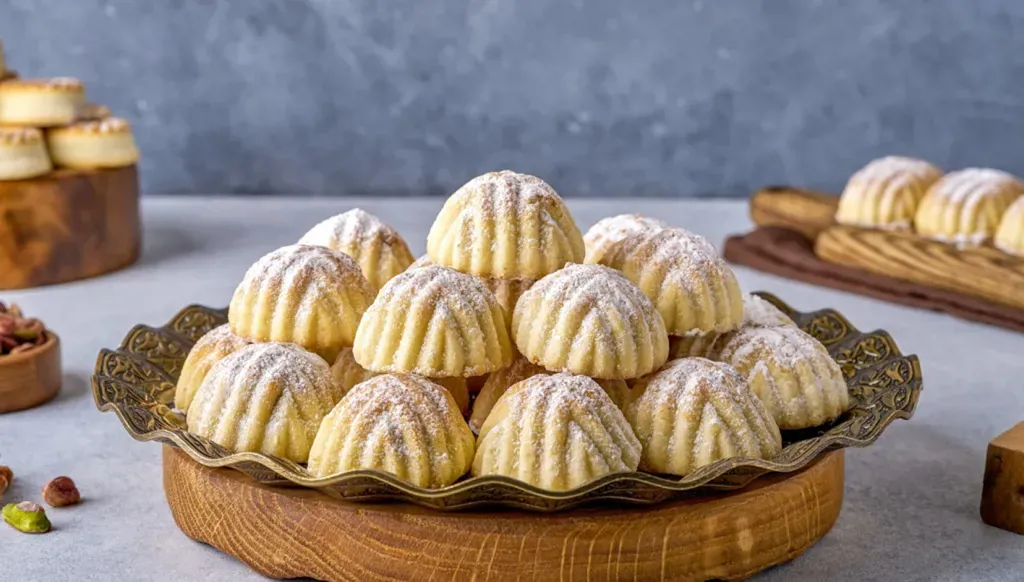
Lebanon’s Easter Maamoul: A sweet tradition surviving war and inflation

Lifestyle 05-04-2026 | 15:45

Lebanon’s Easter Maamoul: A sweet tradition surviving war and inflation

From kitchen rituals to market shelves, discover how this iconic holiday treat endures, balancing memory, flavor, and the cost of wartime life.

Lebanon’s Easter Maamoul: A sweet tradition surviving war and inflation
The cost of Easter maamoul during the war (Internet)
Smaller Bigger


Every spring, as Easter nears, the scent of maamoul fills Lebanese homes, carrying more than just flavor. It is the aroma of memory and the continuation of a ritual that captures the essence of the holiday in its smallest details. In the scene, one hand kneads, another shapes, and family conversations offer comfort and stability.


In reality, maamoul, a sweet essential to the holidays, endures despite everything. Made from semolina or flour and filled with dates, walnuts, or pistachios, it is then pressed with molds bearing religious symbols. Each year, its presence is renewed as one of the most prominent features of Easter in Lebanon.

But in today's wartime, do women prefer buying it or making it at home?
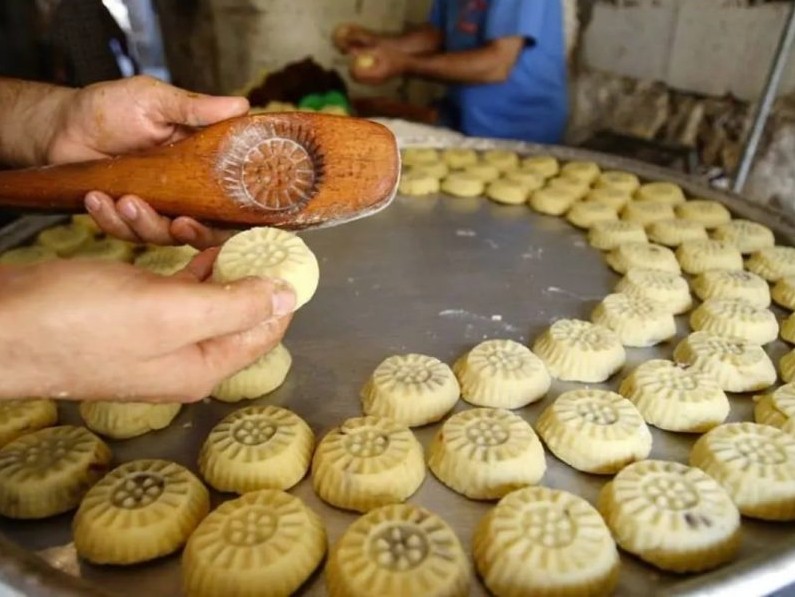
 

Cost of Easter Maamoul in War (Internet)


The Cost of Easter Maamoul in war: Store-bought vs. homemade
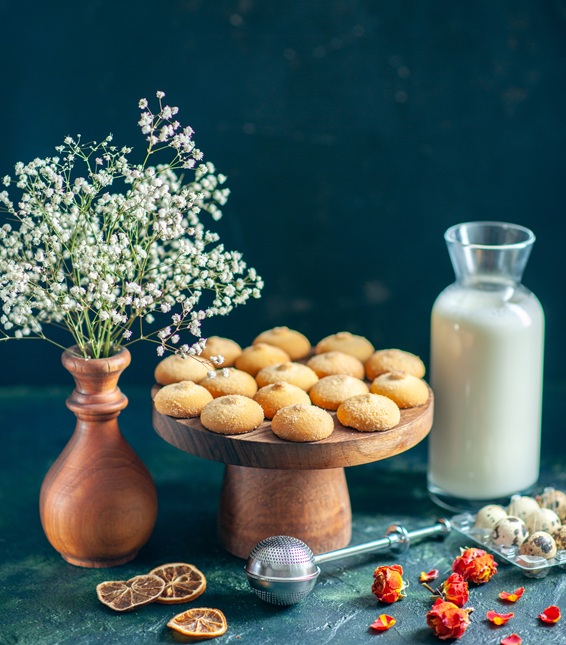
In recent years, preparations are no longer just about rituals, as cost has become a major factor—especially amid Lebanon’s ongoing crises of war and economic hardship.


In today’s markets, the average price of a kilogram of assorted maamoul is about 23 US dollars, while the fillings differ: dates average 18.5 dollars per kilogram, walnuts around 23 dollars, and pistachios up to 29 dollars. These figures reflect a stark economic reality, turning this traditional dessert into an item that must be carefully budgeted within the holiday’s expenses.


On the other hand, when calculating the cost of preparing maamoul at home, the raw materials amount to about 33 dollars, excluding labor or gas expenses. This figure highlights the difference between the two options, showing that homemade preparation—despite its symbolism and connection to tradition—is no longer necessarily the cheaper choice it once was.


This gap between ready-made and homemade maamoul raises important questions: Is maamoul still a cherished family tradition, or has it become an economic burden? Has the meaning of the holiday shifted alongside the changing ability to afford it?


Cost of Easter Maamoul in War (Freepik)


Easter Maamoul endures cespite its cost
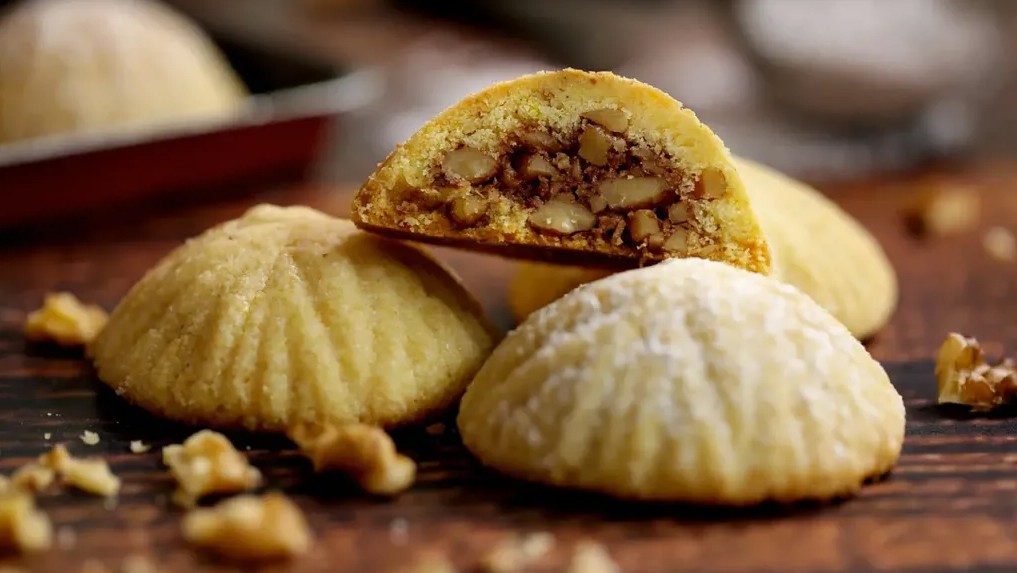
 

In homes, where the holiday’s meaning extends beyond numbers, choices vary and motivations intertwine. Every woman has her own story with maamoul, caught between memories and imposed realities.


Mrs. Leila says she will not give up making maamoul at home because it is the “blessing” of the holiday, as she describes it, yet she admits that this year’s quantity will be smaller, aiming to reduce costs without abandoning the ritual itself.


Meanwhile, Grandma Therese sees the situation differently. She recalls years when she made over ten kilograms of maamoul with her daughters and laments that the new generation tends to buy everything, even foods traditionally made at home. For her, life had its “blessings,” she says, referring to a time when effort was part of abundance.


In contrast, this year, Mrs. Nawal chooses to buy maamoul. With her children abroad and the house no longer as it once was, she simply says, “Who am I making maamoul for?” opting for just two kilograms for hospitality, reflecting the shift in family dynamics before tradition.


Between these approaches, Mrs. Mary insists on preserving what she considers a holiday staple. She will make maamoul at home despite its high cost, because, as she says, “Easter cannot pass without maamoul.” She adds that she will share the cost with her daughters, trying to balance economic necessity with the continuation of the tradition.


Between reducing, substituting, and insisting, today’s choices feel like daily negotiations between memory and reality. Clearly, maamoul will not disappear, though it will evolve—just as the holiday itself is changing in its finer details.


Cost of Easter Maamoul in War (Internet)


The story of Easter Maamoul and its symbolism


Returning to its symbolism, maamoul carries within it a history that stretches back to the civilizations of the Levant and Mesopotamia, where sweets have long been linked to religious occasions and seasonal celebrations. Over time, it has retained its place in holiday rituals, becoming a steadfast element of collective memory.


On Easter, the symbolism of maamoul is found in its shape and ingredients. The patterns pressed into its molds are said to hold religious significance, while the fillings represent fertility and renewal. Even the white sugar that coats it reflects joy and purity after a period of fasting. In some modern customs, the dough is scented or mixed with incense, adding a spiritual dimension that goes beyond taste and marking the blessing of the holiday dessert.


In conclusion, despite war and crises, maamoul continues to hold its place in Lebanese memory. In homes that insist on making it, it becomes a quiet act of resistance, preserving traditions and giving the holiday an emotional depth that goes beyond numbers.

العلامات الدالة

الأكثر قراءة

الخليج العربي 4/5/2026 12:21:00 PM
السعودية: نُدين الإساءات غير المقبولة للرموز الوطنية للإمارات أثناء الاعتداء على سفارتها 

الخليج العربي 4/5/2026 4:30:00 PM
قرقاش: لا يسعني إلا أن أُحيّي صمود وثبات مملكة البحرين الشقيقة

الخليج العربي 4/5/2026 1:44:00 PM
الاعتداءات تسببت بأضرار مادية جسيمة... ولم تُسجَّل أي إصابات بشرية.