

U.S.-Israel coordination intensifies as talks with Iran reach dead end
Strikes on economic and military targets aim to limit Iran’s nuclear program, missile forces, and regional influence while keeping the Strait of Hormuz open.


 Messenger
 Whatsapp
 Threads
 Email
Email
 Print
Print
 X
X
 Facebook


The newspaper Israel Hayom revealed that the United States has informed Israel that negotiations with Iran have reached a dead end.
As part of these U.S.-Israeli talks, it was agreed to intensify attacks on economic targets, particularly sites belonging to the Revolutionary Guards, as well as civilian infrastructure used by the Iranian regime.
At this stage, no decision has been made yet regarding strikes on strategic sites such as large power plants or oil production and export facilities, despite President Donald Trump threatening Iran with attacks on them.
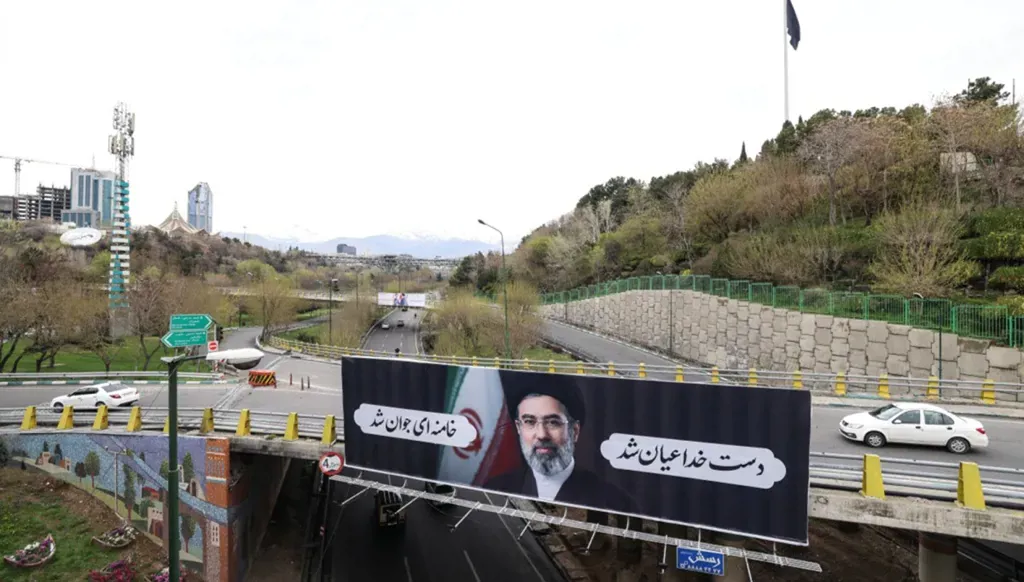
However, the destruction of the bridge in Karaj and attacks on factories not classified as military industries indicate the overall direction, in addition to completing the list of military targets.
Details of the U.S.-Israeli Updates
Regarding the talks, a regional diplomat told Israel Hayom that the reason no progress has been made in the negotiations is the lack of trust between the two sides, Iranian and American. The Iranians demanded an immediate ceasefire along with guarantees that it would not be renewed if the negotiations failed, given their past experiences.
On their part, the Americans demanded full and unrestricted access to the Strait of Hormuz and the surrender of all enriched uranium.
Following President Trump’s speech on Wednesday, assessments in Israel and the United States indicated that the attacks would continue for at least ten days. To this end, an extensive list of targets has been prepared with the aim of hindering the gradual reconstruction of Iran’s military infrastructure while damaging its economy and sources of income.
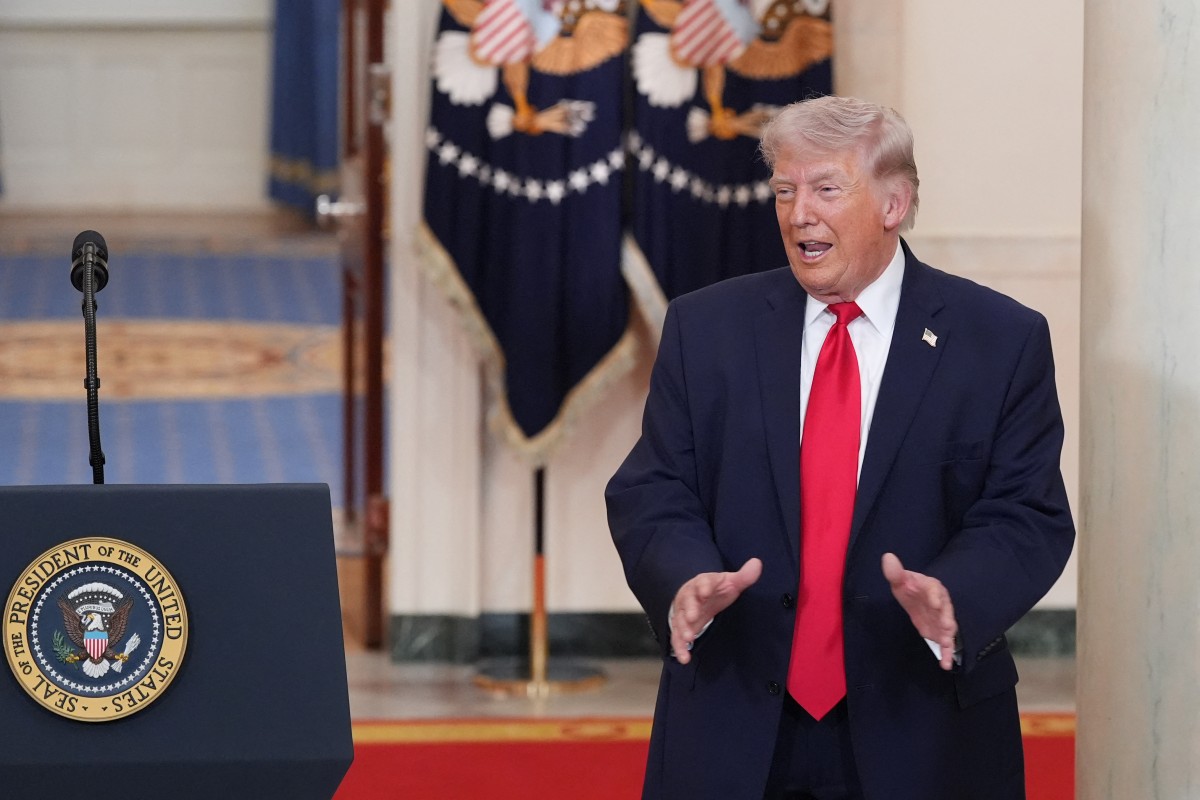
Trump’s statements about achieving most of the combat objectives point to several key areas:
1. Preventing Nuclear Weapons
Estimates indicate that most of the military nuclear project infrastructure and its associated facilities, including missile systems, have been destroyed. However, the fate of enriched uranium remains unclear, as some is believed to be buried under rubble. Trump has proposed a monitoring mechanism based on satellite imagery to detect attempts to access the uranium, which could lead to additional strikes.
2. Military Threat
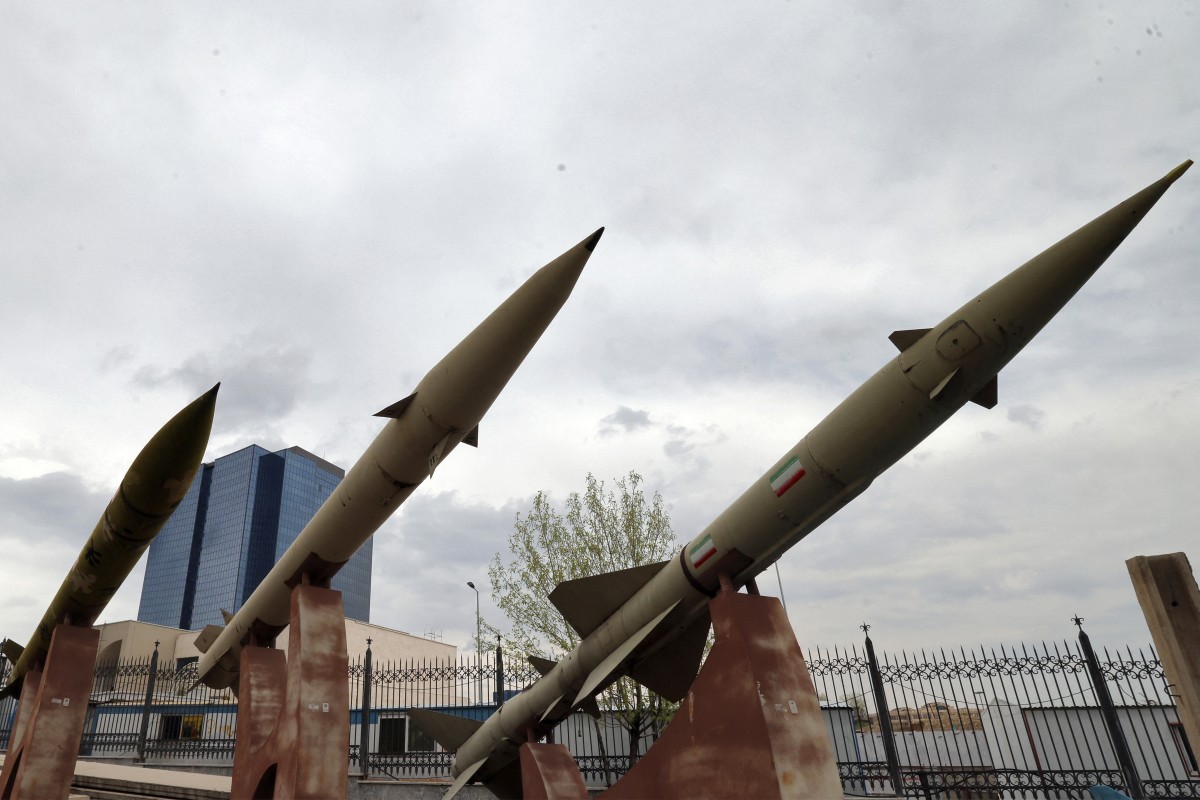
The second area concerns the military threat, primarily the missile system. Estimates suggest that around 80 percent of advanced missiles and more than 90 percent of launch platforms have been destroyed, which is close to the target but not completely neutralized.
3. Supporting Regional Terrorist Organizations
The third area concerns support for regional terrorist organizations. The economic damage inflicted on Iran is expected to reduce the scope of this support, particularly for groups such as Hezbollah.
However, Hezbollah’s attacks on Israel indicate that the group still represents a strategic asset for Iran. As a result, support is expected to continue, albeit on a more limited scale.
4. Changing or Weakening the Iranian Regime
This objective was described as strategic in a meeting between Trump and Prime Minister Benjamin Netanyahu. Nonetheless, both the American and Israeli sides estimate that this is a complex goal that could take several months to achieve.
5. The Strait of Hormuz
This objective was one of the United States’ top priorities to prevent harm to Gulf countries, but it has not yet been achieved. Iran continues to attack targets in the region, damage oil tankers, and disrupt navigation in the Strait of Hormuz.
This situation has led to an increased U.S. military presence in the region and the application of diplomatic pressure on Iran. Trump even expressed frustration at the lack of European intervention, despite European countries’ reliance on oil and gas from the Gulf.
Nevertheless, Israel and Gulf states believe that the conflict will not end without a solution that reopens the Strait of Hormuz and restores navigation to its pre-war status.