







 واتساب
 تویتر
تویتر
 فيسبوك
 يوتيوب
 انستغرام
 نبض
نبض
 ثريدز
ثريدز
Downtown Beirut now feels different


 Messenger
 Email
Email
 Print
Print


BEIRUT: For years, the feelings of detachment and disinterest have accompanied my visits to the Beirut Central District. “I am out of place here,” I used to think. “This is where the café society and the country club set people are let loose.” However, that’s not the case anymore.
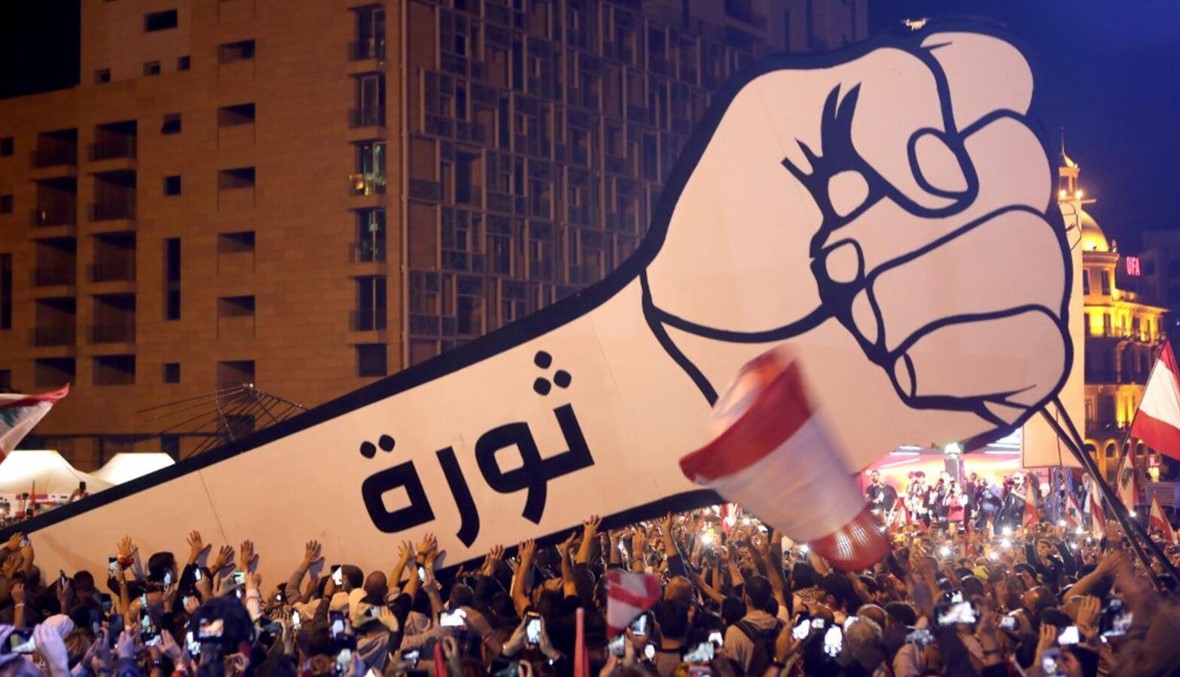
Ever since Lebanon’s October revolution, Beirut Central District has captured a special spot in my heart. I now intentionally pass through the core of Beirut, whether by foot or car, only to get a whiff of the air of revolution encircling and enveloping Martyrs’ Square, Riad El Solh square, and all the spots that gladly carried the weight of the thousands of protesters, along with their built-up rage and flaming persistence.
When I think of being on the streets of Beirut Central District before October 17, I clearly recall the depthless dialogues I used to overhear that acted as accelerating fuels for my walking speed. I remember how there, the atmosphere was heavily brimmed with the scent of 6$ croissants and dizzying perfumes.
Nonetheless, I also remember how the imagery I used to experience there, despite being displeasing, had always felt like an innate representation of Beirut’s business district. After all, things had been that way since the very first time I set foot there as a little girl.
For the last 64 days, however, the entire terrain of that area has regained the yearning and the admiration of thousands of Lebanese who deemed it “unwelcoming,” including myself.
These days, I enter Beirut Central District having already parked my car miles away to traipse through its now-responsive trails and experience the new rush of emotions that area has been stimulating in me ever since the dawn of the revolution.
The tone of its streets is no longer strictly plush and exclusive, but inclusive and reflective of the diversity that weaves Lebanon’s copious social fabric.
Now, walking around in the central district of Beirut feels venturous.
There, the revolutionaries have found a way to remind everyone of their resolute presence upon those streets. The words “REVOLUTION” and “reLOVEution” are sketched over its walls. Slogans like “TO HELL WITH CORRUPTION” and “ALL OF THEM MEANS ALL OF THEM” are spray-painted on shop fronts and fences.
Now, the dialogues I overhear in Downtown Beirut are no longer concerning high-end fashion or first-rate travel destinations, but about how to use the central district of Beirut as a platform to express the Lebanese voice: their demands to overthrow a corrupt regime and bring back a Lebanon in which life doesn’t feel like a fatal struggle.
I look at the structural elements of Downtown Beirut and smile now; it’s where millions of Lebanese have cried, danced, sang, screamed, and revolted together for days and days.
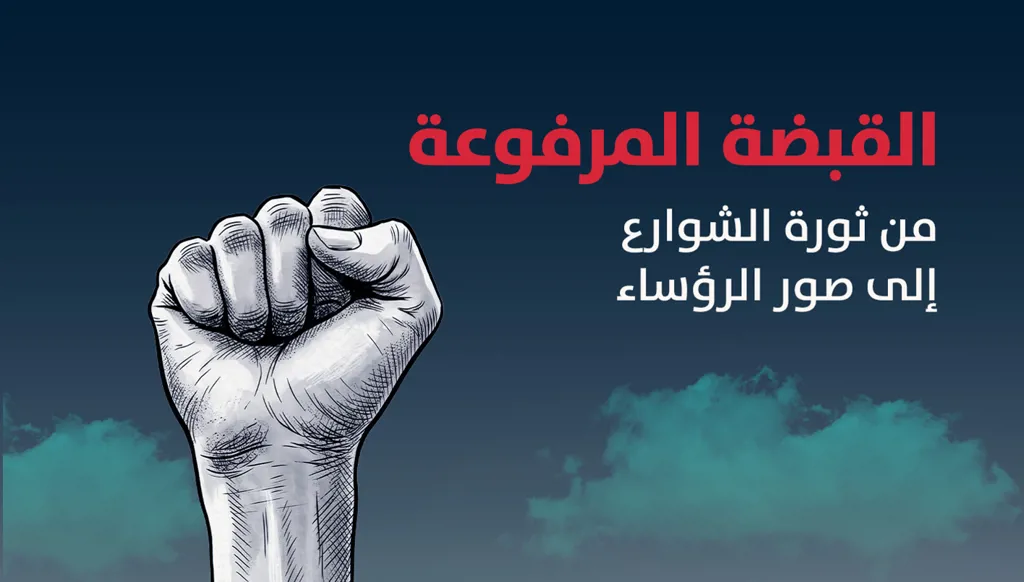
It’s where the “revolution fist” rose like a phoenix in a matter of a few hours, despite being burnt down to ashes by people who opposed what it represented.
Lebanon’s October revolution took root on October 17 in the sacred grounds of Martyrs’ Square in Downtown Beirut, and like a domino effect, spread around and sprouted up its buds in countless areas in the country, marking this event the largest revolution Lebanon has ever witnessed.
May the seed of the revolution grow peacefully and bear its desired fruit.