

As Europe tightens its borders, Tunisia debates a new migration bill
Historically a transit stop on the way to Europe, Tunisia has slowly become a destination for sub-Saharan migrants. A new law seeks to blocking citizenship for their children, sparking debate across Tunisian society.


 Messenger
 Whatsapp
 Threads
 Email
Email
 Print
Print
 X
X
 Facebook



At a time when calls for human rights are growing louder in Tunisia, a parliamentary initiative has reignited debate over the legal status of migrant children born on Tunisian soil.
Parliamentary initiative
A number of members of parliament submitted a legislative proposal aimed at preventing irregular migrants and their children from being granted Tunisian citizenship.
For years, Tunisia has been facing mounting challenges related to irregular migration, having become both a transit point and a destination for thousands of migrants from sub-Saharan African countries seeking to cross by sea to Europe. However, tighter security measures on the European side have prevented many of them from reaching the northern shore of the Mediterranean, leading to longer stays in Tunisia.
There are no precise official estimates of the number of irregular migrants in the country, although some sources suggest they number in the tens of thousands.
Thousands of births
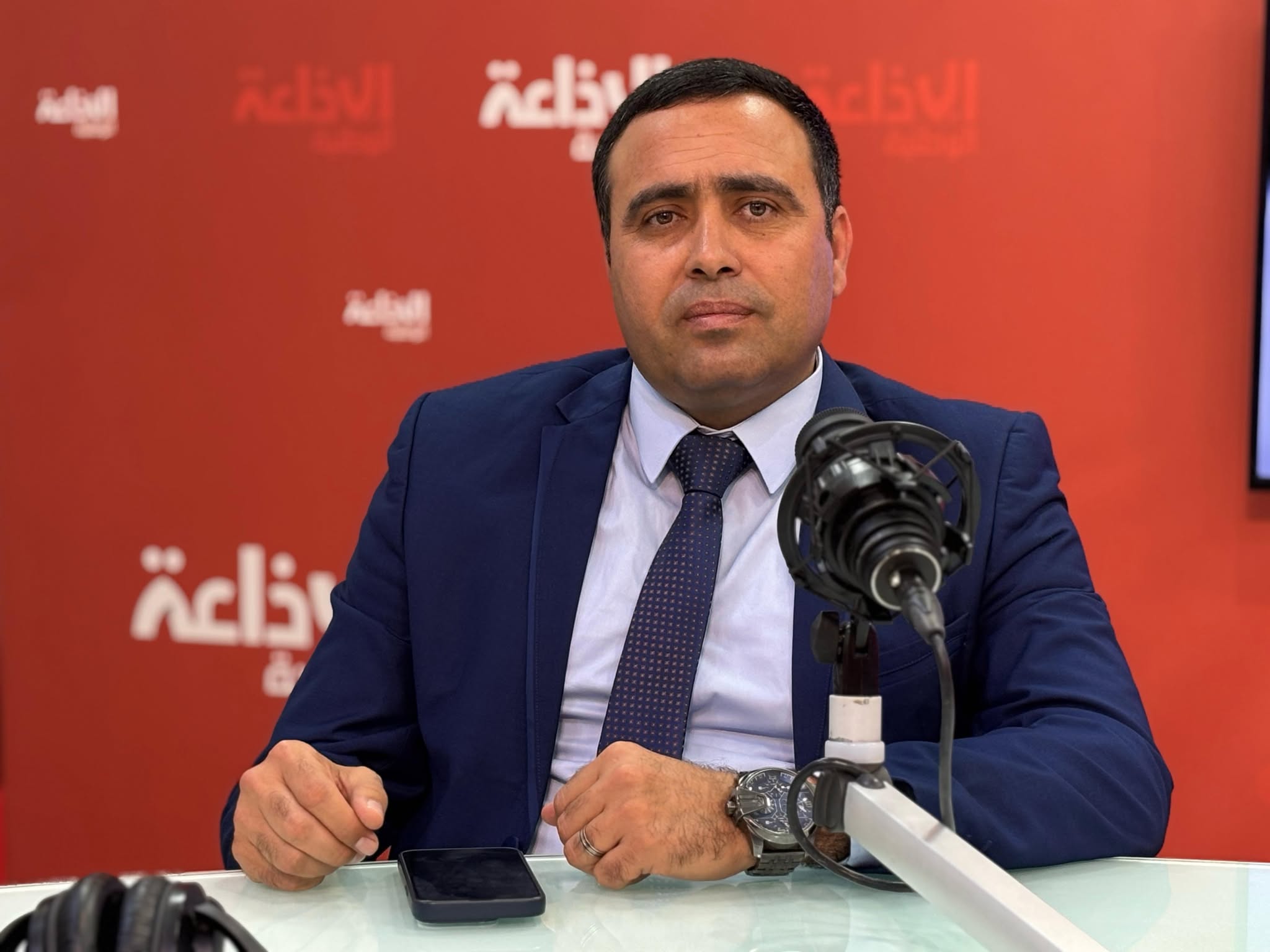
It is worth noting that the Tunisian law does not automatically grant citizenship based on place of birth, as Tunisia follows the principle of jus sanguinis, or right of blood, in granting nationality. Tarek Al Mahdi, Deputy Chair of the Strategic Planning Committee in the Tunisian parliament, said in a statement to Annahar that the new draft law aims to close all legal loopholes that could enable irregular migrants and their children, including those born in Tunisia, to obtain Tunisian citizenship.
Al Mahdi explained that the initiative seeks, in his view, to protect Tunisia’s national security and anticipate future challenges.
The Tunisian MP spoke of a noticeable increase in the number of births among irregular migrant women, noting that estimates point to thousands of cases. He described the figure as alarming and requiring urgent measures to protect national security and the country’s demographic composition, adding: We are concerned about our national security and the demographic balance of Tunisia, which may face a threat in the coming years if the situation continues as it is.
Outside state authority
Al Mahdi points out that some of these births take place outside public hospitals. He explained that previous field visits to the cities of Al Amra and Jebniana in the governorate of Sfax revealed the presence of facilities with delivery rooms and private hospitals inside migrant camps.
He adds that the children of irregular migrants do not receive adequate education and live in fragile environments where violence is prevalent, warning that Tunisian society may in the future face a marginalized generation outside the legal framework.
Al Mahdi considers the growing number of births among irregular migrants to represent, from the perspective of the sponsors of the initiative, a potential risk to the country’s social, economic, and demographic systems.
Human rights criticism
In contrast, the initiative has raised wide human rights and legal concerns, as civil society organizations warn that such legislation could constitute a violation of international obligations related to children’s rights and the principle of non discrimination.
A number of human rights advocates believe that the recurring debate over the children of irregular migrants involves discrimination and exclusion against children who have grown up in Tunisia and are, in practice, part of its social fabric. They also warn that proposals of this kind could open the door to intense debates about the concept of citizenship and national identity in a society of diverse origins.
Some also caution that anti migrant rhetoric in Tunisia overlaps with hardline right wing discourse in Western countries, where anti-immigration sentiments are on the rise.
In previous statements, Ramadan Ben Omar, spokesperson for the Tunisian Forum for Economic and Social Rights, condemned such rhetoric, stressing that the children of irregular migrants live in difficult conditions and that many of them are deprived of education or health care, emphasizing the need to respect human rights before resorting to further legal restrictions.
The issue of births among irregular migrant women from sub-Saharan African countries has sparked widespread controversy on several occasions. Human rights advocates affirm that childbearing is a human right that must not be infringed.
The Tunisian Association of Democratic Women condemned calls to limit the births of irregular migrant women, stating that migration issues should be addressed through fair public policies, international agreements, and respect for the law, not by seeking to control women’s bodies or strip them of their reproductive rights. It added that linking migration to fertility is a racist logic that shifts the failure of policies onto women’s wombs and absolves the state of its social, economic, and political responsibilities.
For his part, Al Mahdi rejects these criticisms, affirming that Tunisia has the right to enact laws regulating nationality, as many countries have done that do not automatically grant citizenship based solely on place of birth.