

ISIS’s low-profile comeback in Libya


 Messenger
 Whatsapp
 Threads
 Email
Email
 Print
Print
 X
X
 Facebook
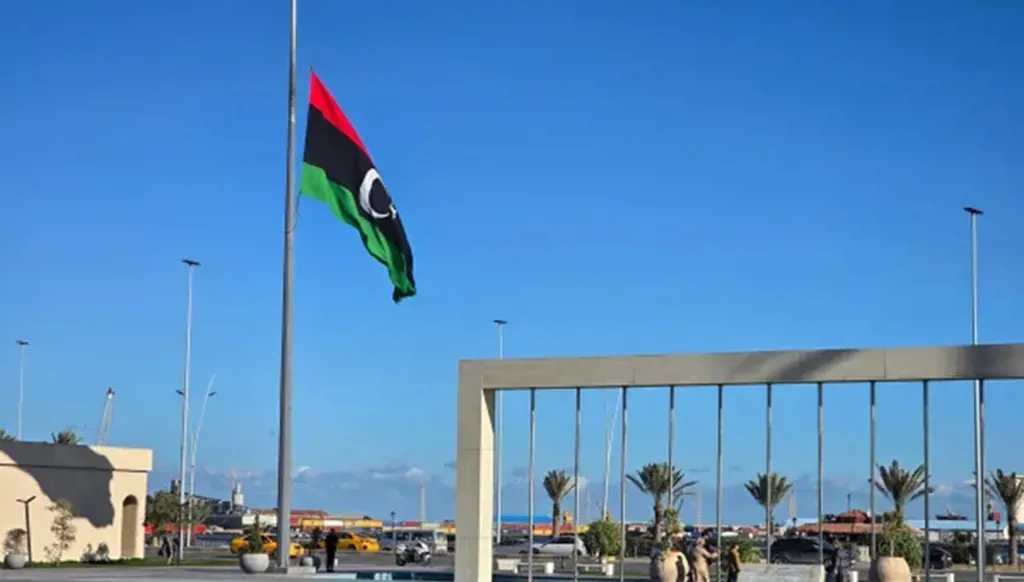


Concerns are rising in Libya that radical elements may exploit the fragility of the security situation in the country, turning it into a new foothold for carrying out terrorist operations, or using it as a back door to move into neighboring states.
In recent days, Libyan security agencies have received Western warnings about a relationship that has developed between fundamentalist organizations, foremost among them the ISIS, and human-smuggling gangs operating in Libya. This relationship could facilitate the movement of terrorist elements into Libyan territory through smuggling routes used by irregular migrants, according to security sources cited by Annahar.
Infiltration routes from the desert to airports
The sources speak of several routes that could be used for the infiltration of ISIS elements via desert paths stretching from the Sahel and Sahara countries (Mali, Chad, Niger, and Sudan) into southern Libya. However, this route is no longer the only one used in human smuggling. Major Libyan airports have also become a source of broad international concern, after being recorded as heavily used for the arrival of migrants, particularly from Syria and Iraq, into Libya through legal means, after which smuggling gangs take charge of them.
The sources explain that, in cooperation with regional and Western intelligence agencies, lists of terrorist elements and internationally wanted individuals have recently been updated and circulated to Libyan security agencies. They add that the warnings received indicate the possibility of exploiting Libya’s terrain to allow ISIS cells to regroup and carry out operations inside the country, or of using ties with human-smuggling gangs to enable the movement of what are known as “lone wolves” to Libya’s neighboring countries and to Europe via the Mediterranean coast, mixed in with migrant convoys.
Security movements and warnings about limited capabilities
Sources points out that in the wake of these warnings, “security authorities launched extensive campaigns to dismantle hubs where smuggling gangs are concentrated in the east, west, and south. Individuals involved in these gangs were arrested, and we obtained information from them about their links to international human smuggling networks and their connections to radical organizations active in the region.” However, the sources stress Libya’s “urgent need to intensify international cooperation on this highly dangerous file, given the impact of the political conflict on security agencies and their technical and intelligence capabilities.”
Libya confronted ISIS in 2016 and succeeded in dismantling its main stronghold in the coastal city of Sirte in central Libya, in what was known as the “Al-Bunyan Al-Marsous Operation” (a military campaign that defeated ISIS in Sirte). However, some elements of the organization managed to flee to the south and from there moved to neighboring countries through safe corridors used by irregular migration convoys and criminal gangs, according to Libyan military adviser Brigadier General Adel Abdel Kafi.
Abdel Kafi told Annahar that his country “has serious concerns about the return of the organization, like any state seeking to establish security and stability on its territory,” warning of “the state of security fluidity and division Libya is experiencing, which constitutes a safe haven for terrorist organizations that cooperate with criminal and irregular migration gangs to recruit members, expand their bases, and coordinate cross-border movement operations.”
The Organization's Return and Strategy Shift
Abdel Kafi points out that "ISIS is still present and expanding, but it has changed its strategy. After dismantling its core structure, its elements turned to hiding, awaiting an opportunity to establish a new foothold and renew funding sources to become active again."
Notably, ISIS and al-Qaeda leaders, particularly those not listed on international watchlists, have also used numerous sea and air routes to transition from Syria and Iraq to fragile African countries, in collaboration with crime gangs. The Libyan military advisor adds that terrorist organizations "have recently succeeded in seizing oil wells and mineral and gold mines within African countries adjacent to Libya's southern borders," emphasizing the importance of "international coordination in combating terrorism, particularly in exchanging and verifying information to mitigate the threat of these organizations."
Sleeping Cells and Infiltration within Official Institutions
Security and strategic affairs researcher Osama Al-Shahoumi, who agrees with warnings about the “ongoing danger of ISIS reorganizing its ranks inside Libya,” tells Annahar that there are “sleeper cells belonging to the group inside Libya operating under semi-official fronts, foremost among them the dismissed Grand Mufti of Libya Al-Sadiq Al-Ghariani.” Al-Shahoumi asserts that “there are influential security figures who directly or indirectly contribute to strengthening this trajectory, most notably the head of Military Intelligence Mahmoud Hamza and the commander of Brigade 52 Mahmoud bin Rajab. Both are close to the Libyan Fighting Group (an armed Islamist group historically linked to Al-Qaeda). Bin Rajab was also involved in the kidnapping of diplomats in the capital, Tripoli. There is also the Libyan ambassador, Walid Ammar, the former spokesman of the Tripoli Revolutionaries Shura Council, who is working to bring mercenaries from hardline Syrian factions to integrate with Libyan militias.”
He adds: “There is an official security body called the Counterterrorism and Extremist Organizations Agency, led by Mukhtar al-Jahawi, Commander of the Reserve Division of the Counterterrorism Force (CTF) in Misrata, a figure with wide popularity in the city. However, the actual power within the agency lies with Mohammed Aghliou, an extremist figure who prefers to remain out of sight and away from the media, and who is linked to Ali Al-Salabi (recently appointed as a presidential adviser for reconciliation). This agency recruits young people by tempting them with government grants, and it is filled with remnants of the Benghazi Shura Council,” warning of the dangers of building ideologically driven security institutions.
Al-Shahoumi also notes “strong indicators that ISIS elements are moving from Syria to Libya under official cover. We have observed the spread of travel and tourism offices selling security clearances without proper vetting, which is extremely dangerous and allows suspicious individuals to infiltrate. This coincides with the opening of air transport routes between Misrata and Damascus.”