

Iran appoints Mohammad Bagher Zolghadr as Secretary of Supreme National Security Council, replacing Ali Larijani
A structural shift is reshaping Iran’s power structure, as authority moves from traditional politicians to a hardline core rooted in military and security institutions.


 Messenger
 Whatsapp
 Threads
 Email
Email
 Print
Print
 X
X
 Facebook
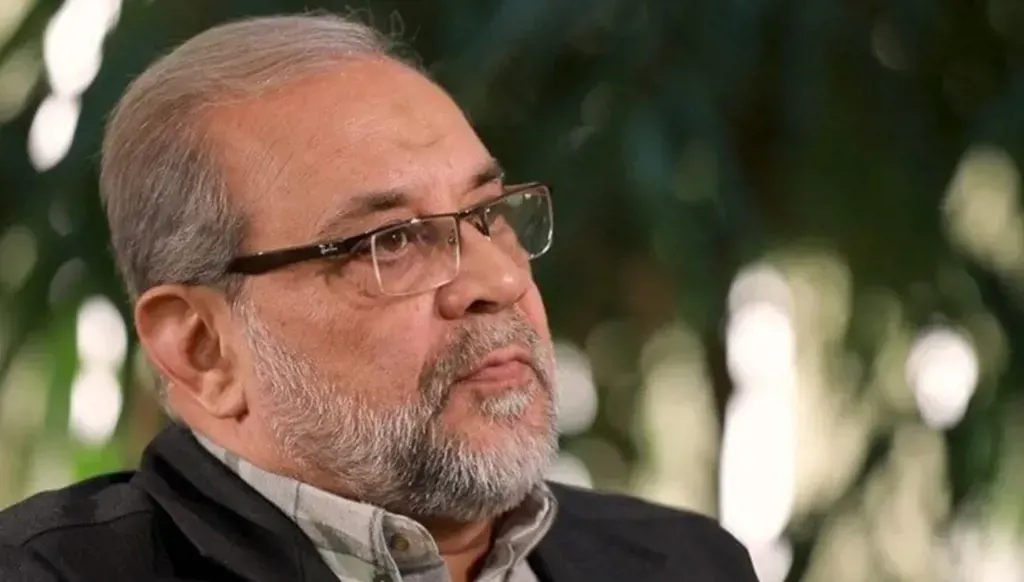


The appointment of Mohammad Bagher Zolghadr as Secretary of the Supreme National Security Council in Iran was not merely a routine administrative move, but a precise indication of an accelerating structural shift within the Iranian system: a transfer of positions of authority from traditional political figures to a core group with military and security backgrounds.
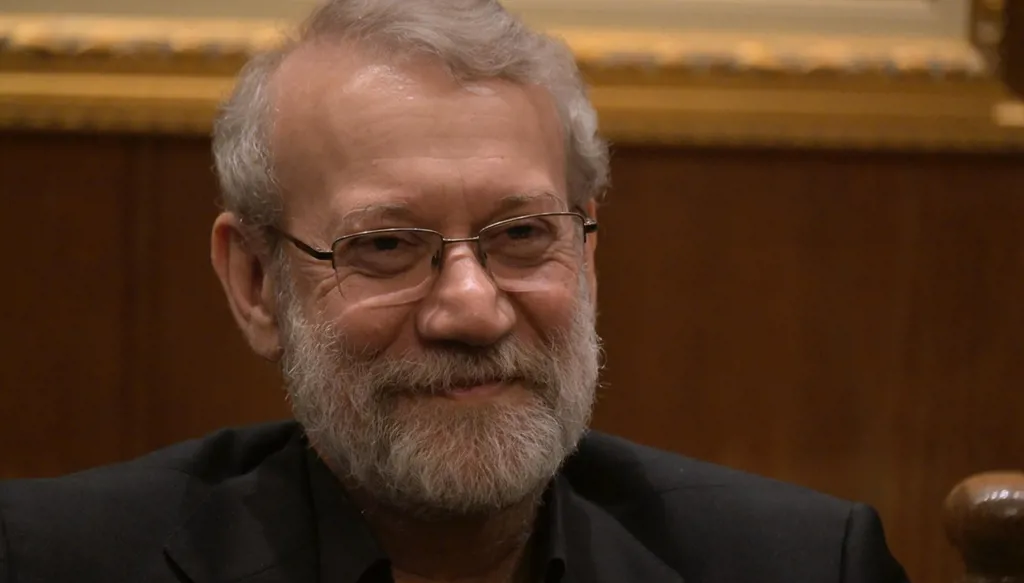
This appointment, which came a week after the assassination of Ali Larijani, cannot be separated from a broader context that is reshaping the balance of power in Tehran, where the military establishment, represented by the Islamic Revolutionary Guard Corps, is advancing to become the most influential actor in shaping political decision making.
Zolghadr comes from a military background within the Islamic Revolutionary Guard Corps, where he held several leadership positions throughout his career. From the early years of the Iranian Revolution, he assumed various roles, including working in the revolutionary committees, before going on to supervise the training of Guard forces during the Iran–Iraq War. He later co-founded and commanded the Ramazan Garrison, an entity established in 1983 as a base for operations beyond Iran’s borders, including training Iraqi Shiite groups to carry out guerrilla and sabotage operations, particularly in Iraq.
Later, Zolghadr moved into senior positions within the Revolutionary Guard, serving for several years as Chief of the Joint Staff, then as Deputy Commander in Chief, before taking on multiple roles within the General Staff, especially in matters related to the Basij forces.
He also held security positions in the Ministry of Interior during the presidency of Mahmoud Ahmadinejad, in addition to roles within the Expediency Discernment Council, one of Iran’s most prominent advisory bodies.
It is worth noting that Zolghadr’s name is included on the international sanctions list issued under United Nations Security Council Resolution 1747, due to his connection to matters related to Iran’s missile and nuclear programs.
His life and military career
Zolghadr was born in 1954 in the city of Fasa, and his name emerged during the early stages of the establishment of the Iranian system. In 1979, he participated in leading one of the revolutionary committees that played a key role in consolidating the new ruling structure. With the outbreak of the Iran–Iraq War, he took on central responsibilities within the Revolutionary Guard, including supervising troop training, before being assigned to lead the Ramazan Garrison. This body later expanded its role to include coordination with Iraqi political groups and figures, such as the Supreme Council for the Islamic Revolution in Iraq and the Dawa Party, as well as individuals who later became prominent in Iraqi politics, including Nouri al Maliki and Hadi al Amiri. A number of military figures who later held positions inside and outside Iran were also involved in this framework.
After the end of the war, Iran entered a phase of rebuilding its institutions. In this context, Zolghadr served as Chief of the Joint Staff of the Revolutionary Guard for eight years during the presidency of Akbar Hashemi Rafsanjani, a period marked by the reorganization of the military institution and the development of its structure. He later held the position of Deputy Commander in Chief of the Revolutionary Guard for a similar period, placing him in an advanced position within the military leadership hierarchy and consolidating his role as one of the country’s key security decision makers. Alongside his military career, he continued his academic studies and obtained a PhD in strategic management from the National Defense University, reflecting a broader trend among Iranian leaders to combine field experience with academic training in managing complex issues.
At the beginning of the new millennium, Zolghadr gradually transitioned into executive roles. In 2005, he was appointed Deputy Minister of Interior for Security and Police Affairs in the ninth government, during a period characterized by a tightening of internal security. He also served as Deputy for Security and Law Enforcement in the ministry under Mostafa Pourmohammadi, before being dismissed from his post in 2007, an indication of the complex internal balances within the system. However, his departure from this position did not end his career. He later moved to the judiciary, where between 2012 and 2020 he handled responsibilities related to social protection, crime prevention, and strategic affairs, reflecting the expanding use of security expertise within nonmilitary institutions.
On 19 September 2021, Zolghadr returned to the political forefront when he was appointed Secretary of the Expediency Discernment Council by a decision issued by Sadeq Larijani with the approval of the Iranian Supreme Leader, succeeding Mohsen Rezaee. This position is considered one of the pivotal roles in the Iranian system, given the council’s function in resolving disputes between branches of government and shaping overarching policies, which underscores the importance of placing a figure with a military and security background in such a role.
This trajectory cannot be separated from the broader context of the growing influence of the Revolutionary Guard across the state’s institutions, whether in the executive, legislative, or judicial branches. This comes amid internal challenges, most notably the popular protests witnessed in recent years, as well as external threats and international pressure, including sanctions targeting prominent figures, among them Zolghadr himself, who is listed under United Nations Security Council Resolution 1747 due to his links to Iran’s missile and nuclear programs.
In light of this, the career of Mohammad Bagher Zolghadr can be seen as part of a broader pattern of reshaping Iran’s ruling elite, where military experience intersects with political and judicial roles within a single framework. This pattern reflects a strategic trend toward centralizing decision making and reinforcing the security character of the state, allowing the system greater capacity to manage crises, while at the same time raising questions about the future balance between civilian and military institutions in Iran’s system of governance.