

Mojtaba Khamenei named Iran’s new Supreme Leader: Two possible scenarios ahead


 Messenger
 Whatsapp
 Threads
 Email
Email
 Print
Print
 X
X
 Facebook
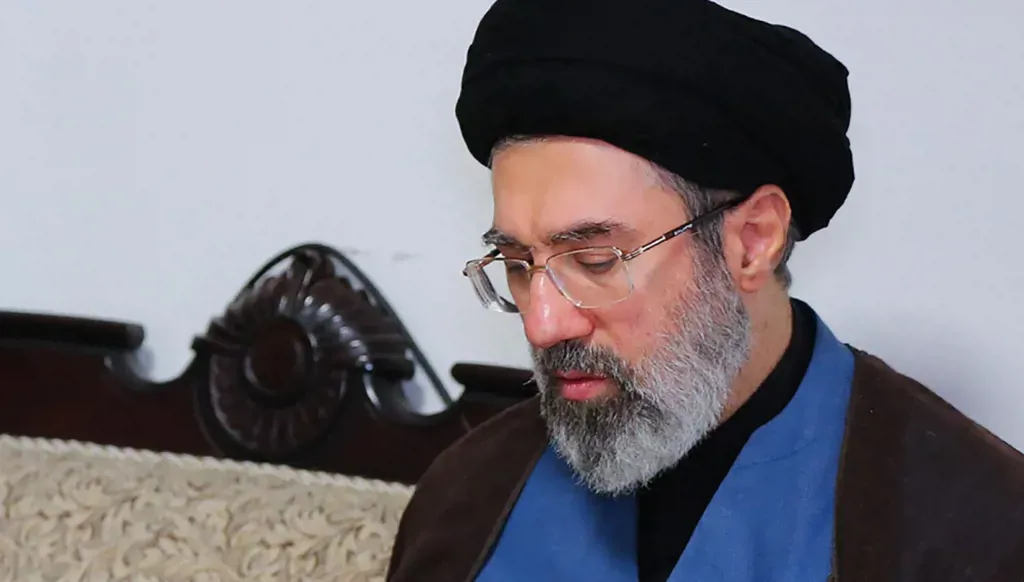


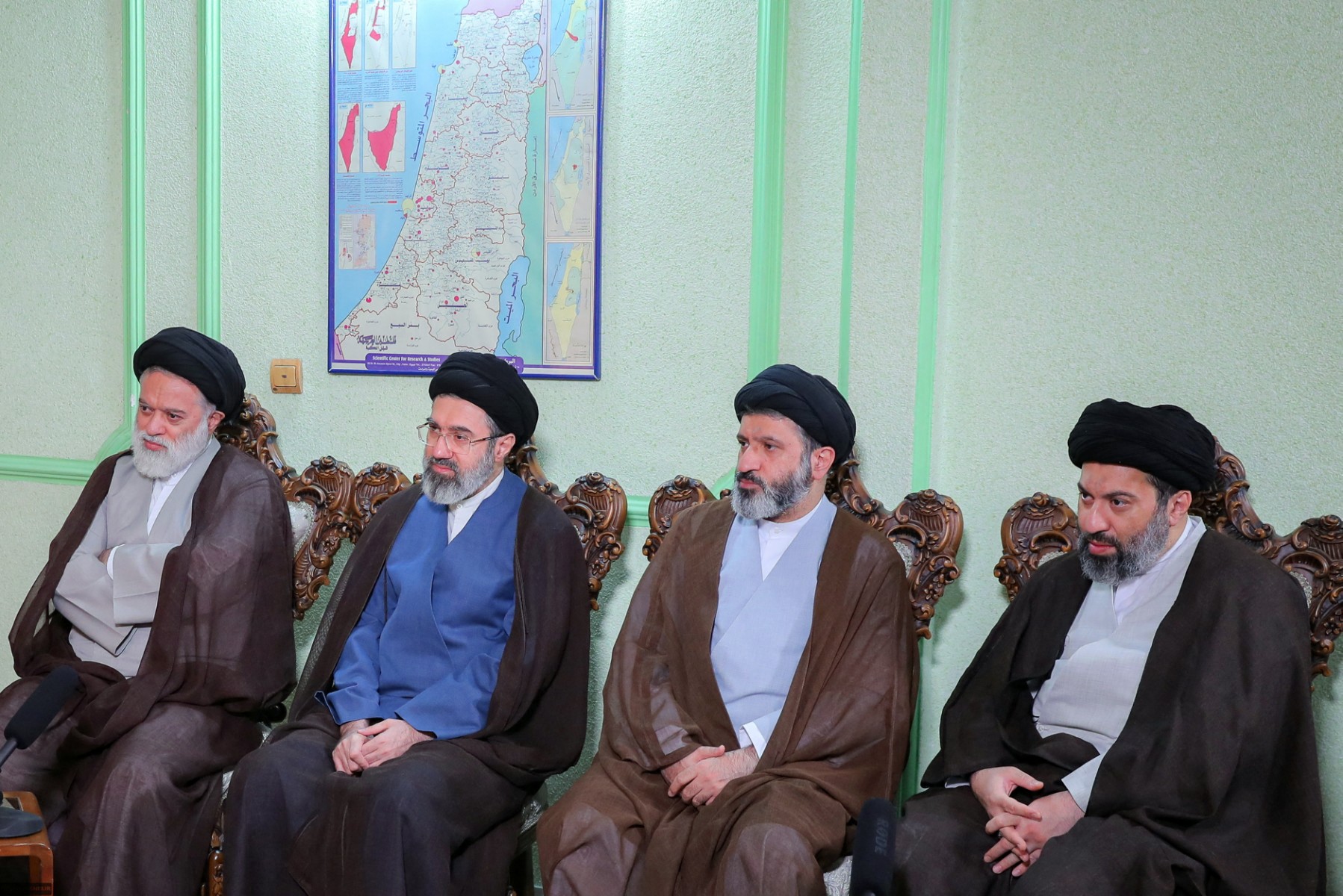
The first scenario: Mojtaba Khamenei continues his father's policy
Accordingly, the two potential scenarios after Mojtaba Khamenei's selection are as follows:
1- According to the first scenario, which appears more likely, Mojtaba Khamenei will continue his father’s approach and policies as before. Unofficial reports suggest that military and security figures support his selection, but it is not expected that he will bring significant changes to the Islamic Republic’s policies. Many believe that despite Ayatollah Khamenei’s office having been targeted in two attacks, the cohesive structure and security organization of his office will be maintained and rebuilt with the selection of his son; in other words, the influence within the “House of Khamenei” will continue.
Regarding the ongoing war, the selection of the new leader and the strengthening of military and political leadership cohesion are likely to escalate confrontation with the United States and Israel. The declared policy of the Islamic Republic, which emphasizes the need to punish the United States for what it describes as military aggression against Iran, is expected to continue.
Ali Larijani, Secretary of the Supreme National Security Council, and Mohammad Bagher Ghalibaf have confirmed this policy in their latest official statements, indicating that they view Mojtaba Khamenei as a supporter and have expressed strong backing for it, even taking positions contrary to President Masoud Pezeshkian, who had called for halting attacks on Arab countries.
If this scenario materializes, there is also a potential risk of assassination of the new leader. Donald Trump has noted at least twice that if the new leader continues his predecessor’s policies, he may be targeted by the United States and Israel. Such an action, if carried out, could further destabilize the Islamic Republic and potentially lead to its collapse.
The second scenario: Mojtaba establishes better relations with the world
2- The second scenario assumes that Mojtaba Khamenei may open a new path and space in Iranian politics. Some of his supporters have referred to him as “Iran’s Bin Salman” in virtual discussions for years, claiming that, contrary to what his opponents suggest, he is interested in development and establishing better relations with the world. However, these supporters have not provided any documents or evidence to substantiate this claim.
If we assume this proposition is true, Mojtaba Khamenei could initiate a new era in the governance of the Islamic Republic by revising previous policies, particularly those concerning relations with the United States, especially in light of Washington’s statements following the military attack on Iran about paving the way to influence or overthrow the Iranian regime.
Advocates of this scenario suggest that his leadership might bring a general amnesty for political prisoners, open up the political arena, foster political competition, and work to improve relations with other countries, especially Gulf states, leveraging all political and administrative capabilities within the country regardless of political orientation. Accordingly, the ongoing war could end, and a ceasefire might be declared. According to the Iranian constitution, declaring or stopping a war, as well as the general leadership of the armed forces, falls under the prerogatives of the Supreme Leader.
The only evidence supporting this scenario comes from unofficial reports suggesting that the late leader, in recent years, was aware of some differing approaches by his son in politics and foreign relations and therefore restricted his powers, limiting news about his activities. Indeed, some security figures close to him, such as Hossein Taeb, the former head of the Revolutionary Guard’s intelligence organization, were removed from their positions.
Nevertheless, significant ambiguity remains: if Mojtaba Khamenei seeks to implement fundamental changes in the Islamic Republic’s policies, how will he address the regime’s supporters and social base who may oppose these changes? And how will he manage to overcome their resistance?