Israel’s calculated confrontation: Reshaping the Middle East through force and strategy
Israel seeks to turn military dominance into lasting influence, using precision strikes and strategic pressure to reshape Iran’s ambitions and the broader regional order.
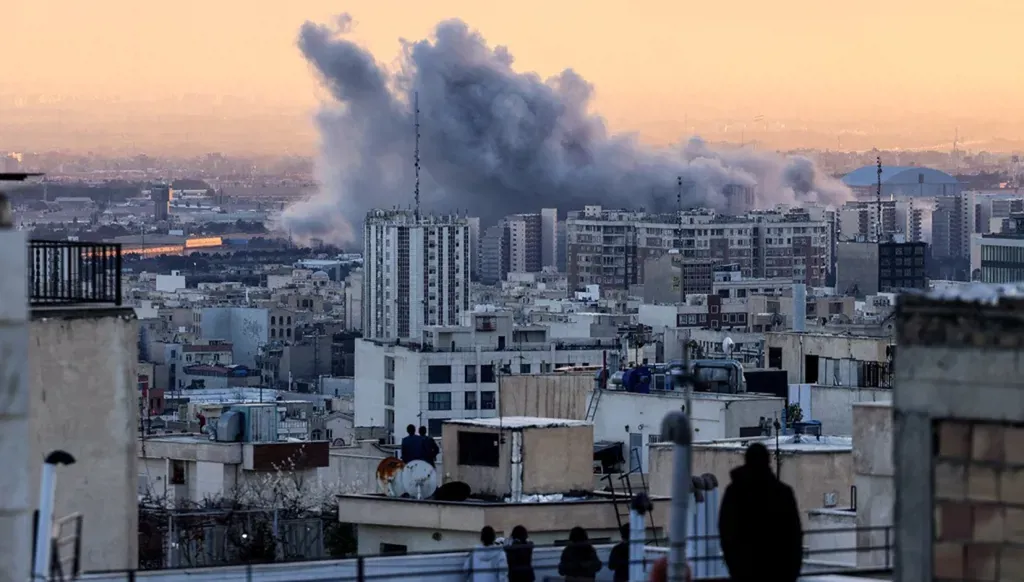
Smoke from the bombardment over Tehran, March 3, 2026. (AFP)
Moving from a shadow war strategy and targeted strikes against Iran to a full direct confrontation reflects a strategic conviction in Jerusalem and Washington that a policy of containment is no longer sufficient to address Iran’s nuclear and conventional ambitions. Israeli military analysts note that this confrontation is not just another round of fighting, but an engineered attempt to reshape the regional reality by structurally dismantling the pillars of Iranian power.
But what comes next? Current Israeli expectations are based on the concept of offensive defense, which aims to preempt threats before they fully materialize. This is expressed in simultaneous strikes on hundreds of targets deep inside Iran. The Israeli military leadership realized that the “ring of fire” model created by Iran around Israel through its proxies lost its effectiveness after the events of October 7, 2023, and the subsequent operations in Gaza and Lebanon. This opened a strategic window to strike the “head of the snake” directly in Tehran.
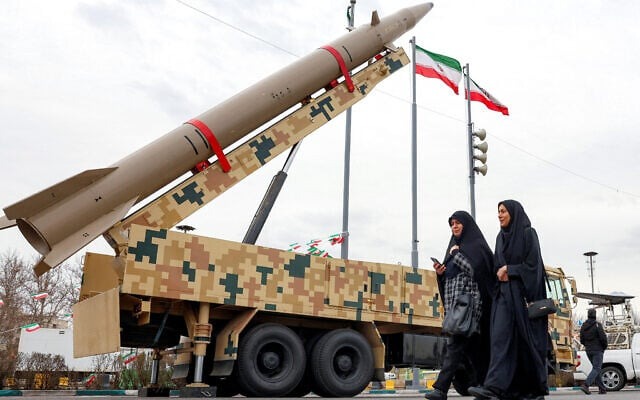
Two Iranian women walk past a missile launch platform in a square in Tehran. (AFP)
Analyses from research centers such as the Begin-Sadat Center for Strategic Studies (BESA) and the Institute for National Security Studies (INSS) indicate that the lessons learned from the "12-Day War" in June 2025 were decisive in shaping the current operation. While the 2025 confrontation focused on deterrence, the 2026 confrontation centers on the radical dismantling of Iranian capabilities. The most notable achievement in the opening days was the ability of the joint air forces to operate over Tehran using stand-in munitions, after neutralizing the threat posed by Iran’s air defenses.
In response, Israel expects Iran to attempt to globalize the conflict and turn it into a regional war of attrition to relieve pressure on its interior. This Iranian approach has been manifested in attacks on Gulf infrastructure and international shipping. Consequently, Israelis link their options for expanding the war to “the day after” scenarios in Iran, ranging from the collapse of the regime to its survival. Israeli research centers have developed four of these scenarios:
- The Ideal Scenario: Quick Transition
This scenario assumes that the killing of top leadership and the paralysis of communications would collapse the morale of the Revolutionary Guards, prompting the regular army (Artesh) to take power and form a transitional government in cooperation with the opposition. In this scenario, there is no need to expand the war further; intensifying strikes on key targets would be sufficient, as disabling them would facilitate the transition.
- The Maduro Model: Riding Out the Storm
This scenario assumes that the current regime structure survives, but with new, more pragmatic faces willing to make “painful Iranian” concessions on the nuclear and missile files in exchange for staying in power and ensuring that Revolutionary Guard leaders are not prosecuted. Some circles in Washington favor this scenario because it promises a quick end to the war, but it does not benefit Israel, as it would place Netanyahu in a politically and legally difficult position. Therefore, it is in his interest to continue the war and expand it elsewhere in the Middle East to impose his own vision.
- Exhausted Resilience: The Middle Eastern “North Korea” This scenario assumes that the remnants of the Iranian regime entrench themselves in fortified underground facilities while continuing asymmetric attacks through their proxies. Efforts to obtain a “bomb in the basement” as a last-resort guarantee for survival would accelerate, turning the region into a chronic conflict zone and automatically widening the scope of engagement.
- Fragmentation and Civil War: The Catastrophic Scenario This scenario assumes the complete collapse of central authority and the emergence of ethnic conflicts (Kurds, Baloch, Azeris, Ahwazi Arabs). Should this occur, Israeli analysts fear losing control over enriched uranium stockpiles, which could reach terrorist groups or be sold on the black market. This concern drives the Israeli military leadership to deliberately expand the war to gain the maximum possible regional support.
Israeli Prime Minister Benjamin Netanyahu (AP)
Israeli assessments agree that the current “window of opportunity” will not remain open indefinitely. Failure to achieve decisive objectives within eight weeks could lead to erosion of international and domestic support and increased economic pressures. Accordingly, the Israeli strategy emphasizes exploiting the current absolute air superiority to completely destroy the infrastructure for missile and drone production, ensuring that Iran cannot rebuild its arsenal for many years. The plan also includes dismantling fortified nuclear facilities at Fordow and Natanz, as well as establishing a new reality in Lebanon and Iraq that eliminates any Iranian military presence near Israel’s borders.
Israeli analysts do not measure the success of Operation “Lion’s Roar” by the number of missiles destroyed or leaders killed, but by the ability to consolidate a new Middle East in which Iran is a state without expansionist or nuclear ambitions. Israel’s bet is that the combination of overwhelming military power, crippling economic pressure, and a close alliance with Washington will finally break the “hellish cycle” of confrontation with the Islamic Republic.





 Messenger
 Whatsapp
 Threads
 Email
Email
 Print
Print
 X
X
 Facebook


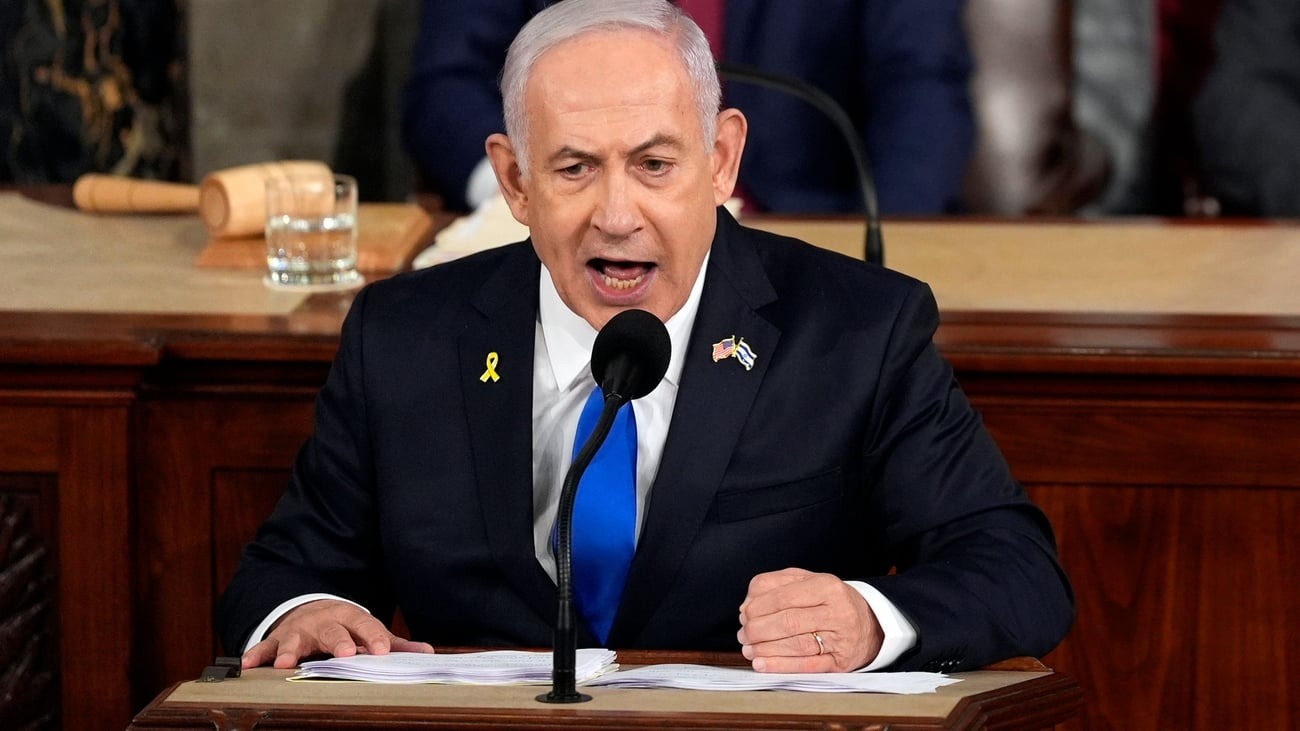 Israeli Prime Minister Benjamin Netanyahu (AP)