

The man behind Gaza’s new peace plan: Yakir Gabay


 Messenger
 Whatsapp
 Threads
 Email
Email
 Print
Print
 X
X
 Facebook
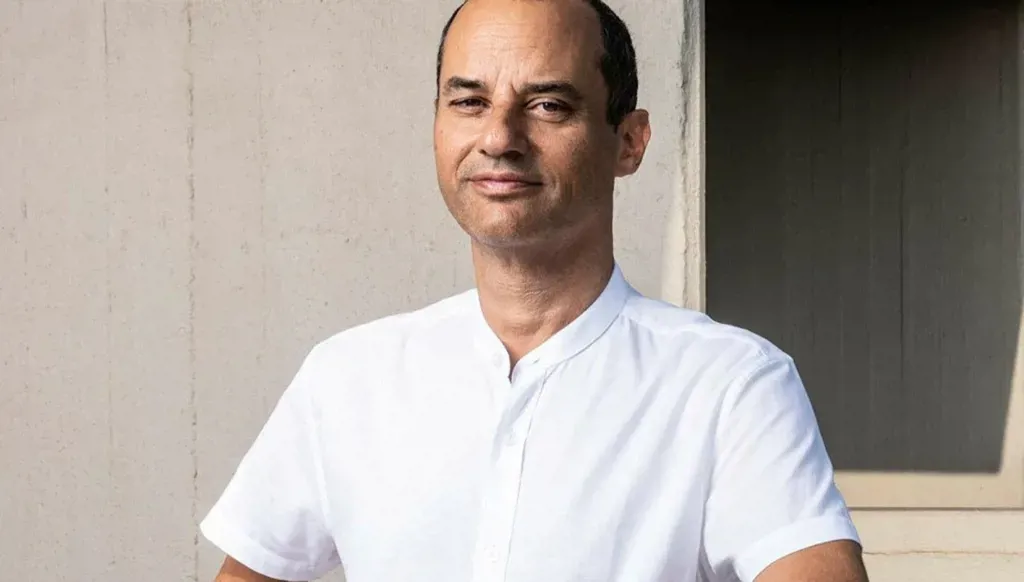


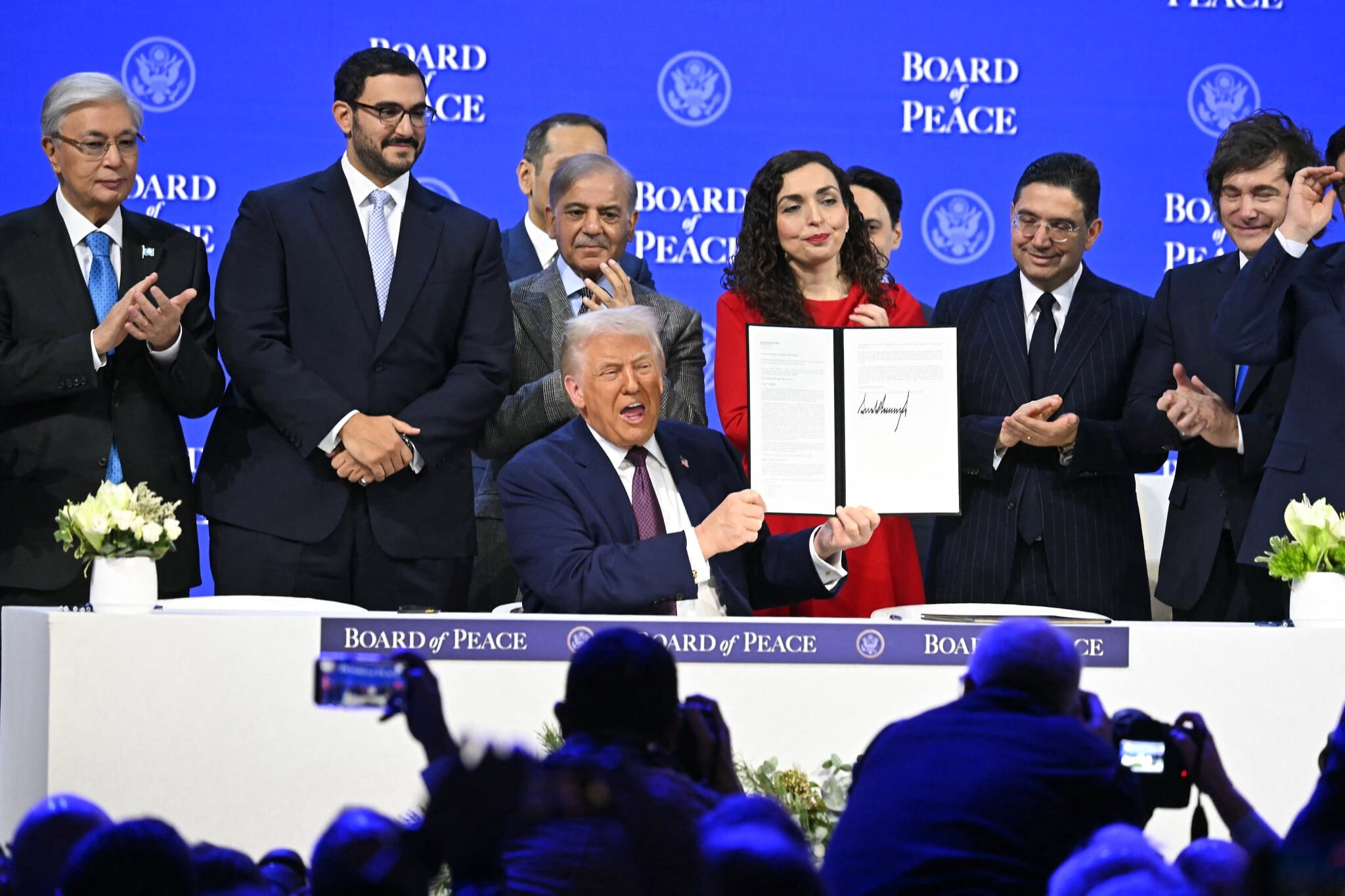
The World Economic Forum in Davos recently witnessed the official announcement of the launch of the "Peace Council" to manage the Gaza Strip file in the post-conflict phase. Amid the announcement led by U.S. President Donald Trump, the name Yakir Gabay, the Israeli-Cypriot billionaire, emerged as a key member of the "Gaza Executive Council."
Gabay’s appointment is not just adding a successful businessman to a political committee; it reflects a fundamental shift in American political doctrine toward privatizing peace operations and managing international crises with the logic of major real estate deals and capitalist financing.
Who is he?
Yakir Gabay was born in Jerusalem in 1966 and grew up in a family belonging to Israel’s institutional elite: his father, Meir Gabay, was a prominent international legal figure, serving as Director General of the Israeli Ministry of Justice, acting as Commissioner for Civil Service, and elected President of the United Nations Administrative Tribunal. This gave Yakir an early understanding of bureaucratic and international legal mechanisms. His mother, Yemima Gabay, was a prominent public prosecutor and headed the Pardons Department at the Ministry of Justice, reinforcing the family’s image as an integral part of the state’s administrative and legal fabric.
Gabay pursued higher education at the Hebrew University of Jerusalem, earning a bachelor’s degree in Economics and Accounting, followed by an MBA specializing in finance and business development. This rigorous academic background paved the way for his career start at the Israeli Securities Authority, specifically in the prospectus department, where he gained detailed knowledge of financial market regulation and corporate structuring.
He moved from regulatory work at the Securities Authority to the private sector, rising to senior management positions in Israel’s capital market. In the mid-1990s, he became CEO of the coverage and investment banking services at Bank Leumi, one of Israel’s largest financial institutions, which allowed him to build an extensive network of relationships with top investors and institutions.
Global Expansion
In 2000, a major turning point occurred in Gabay’s career when he became Chairman of Gmul Investments, which managed massive pension fund investments in real estate and securities, with assets under management at the time reaching around $30 billion. During that period, Gabay mediated the acquisition of the company by brothers Jules and Eddie Trump (investors of South African origin, with no relation to Donald Trump). In recognition of his role, they gave him 13% of the company, forming the core capital he later used to expand internationally.
In 2004, Gabay moved his investment base to Europe, specifically Berlin, taking advantage of the post-reunification real estate slump and opportunities to redevelop residential and commercial buildings at low prices. He founded two major companies: Grand City Properties and Aroundtown SA; the first focuses on residential real estate and was listed on the Frankfurt Stock Exchange in 2012 with an initial market value of €150 million, growing to become one of the largest in its sector with assets exceeding €10 billion and a portfolio of over 60,000 apartments. The second focuses on commercial real estate, which became the crown jewel of his investments, listed in 2015, and experienced rapid growth leading to its merger with TLG Immobilien in 2020, creating a real estate entity with assets exceeding €32 billion.
Gabay is listed among the wealthiest figures in Israel and Cyprus. According to Forbes and financial sources for 2025–2026, his net worth is estimated at around $4.1 billion. Despite this, his empire faced challenges from macroeconomic shifts, including rising interest rates and changes in office work patterns post-pandemic. In April 2025, S&P Global downgraded Aroundtown’s credit rating to “BBB” with a stable outlook, due to debts totaling around €14.5 billion. Nevertheless, the company demonstrated resilience through active debt management, repaying €1.3 billion in early 2025 and maintaining cash reserves exceeding €3 billion. This financial maneuverability in a complex economic environment attracted the attention of the Trump administration, which was looking for figures capable of managing large-scale financing for reconstruction projects in high-risk areas like Gaza.
Not a Coincidence
Gabay’s appointment is the result of deep working relationships and partnerships with Trump’s inner circle. He was repeatedly seen in Tel Aviv with Jared Kushner and participated in events of the Israeli-American Council (IAC) before the 2024 elections. Reports indicate that he contributed to drafting economic reconstruction plans, presenting a detailed proposal on how to transform the Gaza Strip into an investment hub based on modern housing and financing models.
Gabay is seen as the “unofficial representative” of Israeli and international economic interests willing to take investment risks in Gaza. His vision rests on the idea that sustainable peace can only be achieved through a radical improvement in the material conditions of the population, where the gains from stability outweigh the costs of returning to conflict. Beyond real estate, Gabay holds a diversified investment portfolio that reinforces his status as a strategic businessman. He invests in hundreds of tech startups through his family office, and he leads a major project to build a 900-megawatt power plant in Greece, costing hundreds of millions of euros. This diversity reflects his ability to think in terms of comprehensive infrastructure (energy, technology, housing), exactly what Kushner’s “New Gaza” project requires.
In the United States, he partnered with billionaire Yitzhak Tshuva in Star, a company that owned 14,000 apartments in Miami before selling them in 2021 to Morgan Properties and Olayan America in a deal worth about $1.85 billion. His dealings with major Arab investment families (such as the Olayan family) further enhance his capacity to act as a bridge between different sources of capital in the “Peace Council.”