

UAE and Saudi will not allow Trump to use airspace in any strikes on Iran


 Messenger
 Whatsapp
 Threads
 Email
Email
 Print
Print
 X
X
 Facebook
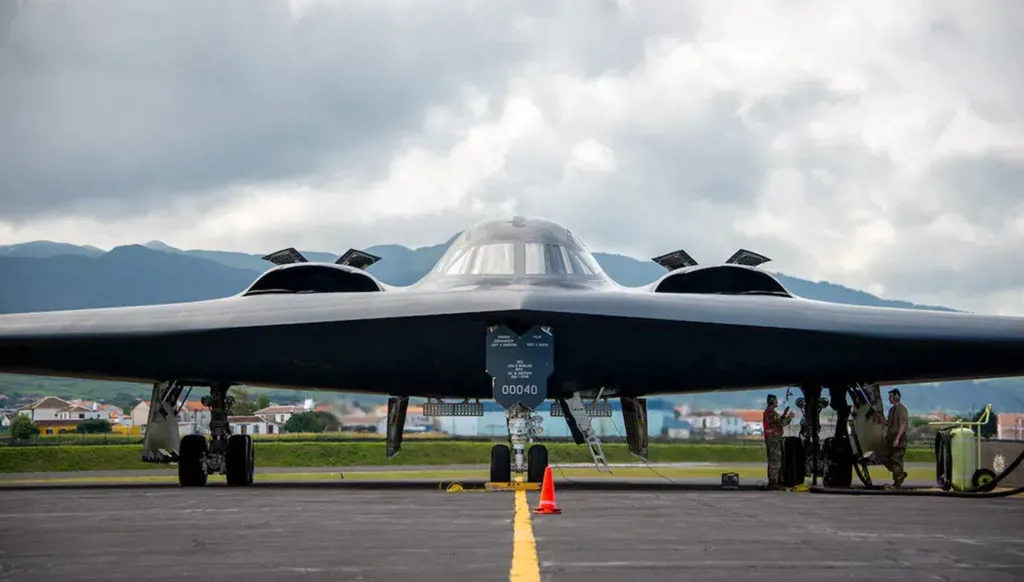


This week, the UAE and Saudi Arabia joined Iraq, refusing to allow the use of their airspace in any potential strike and complicating options for US President Donald Trump. The three Arab states announced their respective policies over the last week as US military buildup continues in the region.
Their policies likely reflect a general fear that US strikes on Iran would cause chaos in the region as Iran and Iran-aligned factions turn on US forces. Such chaos could spill over if attacks against Iran originated on their territory. Iran has repeatedly targeted US and Israeli assets in the Middle East after being attacked, most recently the shelling of the US Al Udeid Air Base in Qatar. In Riyadh's case, there is a persistent concern that Yemen's Houthis would restart attacks on Saudi territory, having previously targeted Aramco oil facilities in 2019.
The politics of messaging
Public messaging on the use of airspace, however, may not manifest in overt obstruction. During the recent 12-day war, Iraq announced it was barring use of its airspace in strikes on Iran, but subsequent US and Israeli attacks followed routes over their territory. This was confirmed during a press conference on June 22, 2025, by US Secretary of War Pete Hegseth, who displayed a chart of flight paths used during the last day of the war. Israel and the United States sometimes resort to Iraqi airspace to avoid approaching Iranian air defenses.
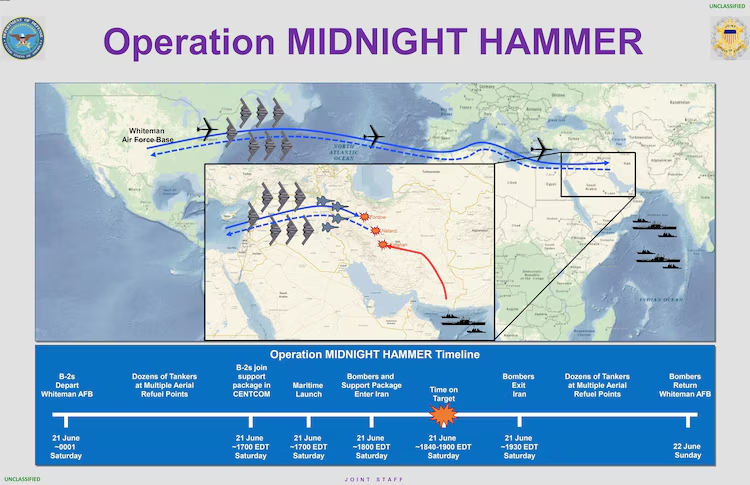
Saudi and Emirati refusals may prove more serious. In the GCC, the United States risks significant collateral damage to energy markets and longstanding economic relationships. If strikes do occur, the US may seek restrict its movements to Iraqi airspace, meaning Jordanian-hosted fighter jets, aircraft carriers in the gulf, and the Diego Garcia base, a strategic US military installation in the Indian Ocean, all gain heightened importance.
The US maintains many routes for striking Iran, but any limitations will constrict the nature of the options and targets inside Iran. Limitations on airspace will not in themselves halt attacks, but they may increase operational obstacles for the United States to overcome.