

How Trump’s Iran war is quietly empowering Putin
As Washington shifts its focus to the Middle East, Russia gains strategically—from energy markets to Western divisions—without firing a shot in Ukraine.


 Messenger
 Whatsapp
 Threads
 Email
Email
 Print
Print
 X
X
 Facebook
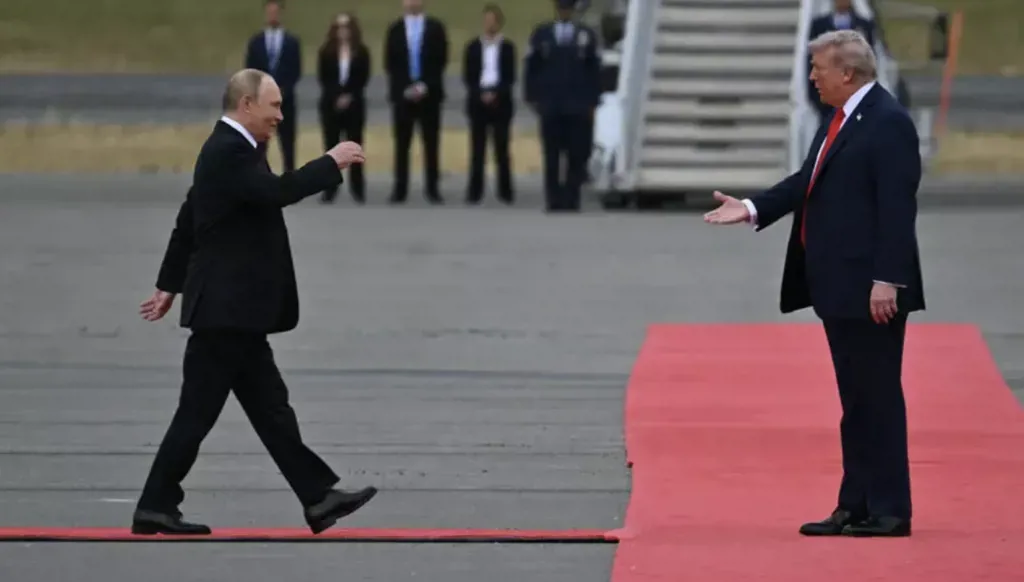


Often posed with irony or bewilderment these days is a valid question regarding why China and Russia appear neutral about the American war in Iran. But what if Beijing and Moscow are benefiting from this war, at least within its current limits in the near and medium term, especially Russia?
Vladimir Putin finds himself the biggest beneficiary of an American foreign policy he neither designed nor requested; Trump’s war against Iran systematically undermines the Western strategic position that had restrained Russia since its invasion of Ukraine in 2022. Putin’s fundamental strategic need was never to achieve a decisive military victory, but rather to exhaust the West’s resolve. And now, the leader of the West is doing that exhaustion on his behalf.
Washington, once the primary guarantor of military supplies and diplomatic support for Ukraine against Russia, has shifted its focus to the Middle East. Congressional debates, Pentagon planning, and intelligence priorities now revolve around Iran. Each week, American aircraft carrier groups anchor in the Gulf instead of signaling commitment to Eastern Europe. When the Pentagon must allocate precision-guided munitions between Kyiv and the air campaign against Iran, Ukraine inevitably loses out. Putin understood this dynamic from the start. Russia’s strategy was never solely about capturing territory; it aimed to break the circle of Western support for Kyiv and to exhaust Western manufacturing capabilities. The war with Iran accelerates both objectives: every missile striking an Iranian air-defense system is one not reaching a Russian logistics hub.