

War in the shadows: How Lebanon bears the cost of Middle East diplomacy
While Iran is negotiated in global capitals, Lebanon bears the brunt of the battle—a new equation in regional conflict emerges.


 Messenger
 Whatsapp
 Threads
 Email
Email
 Print
Print
 X
X
 Facebook
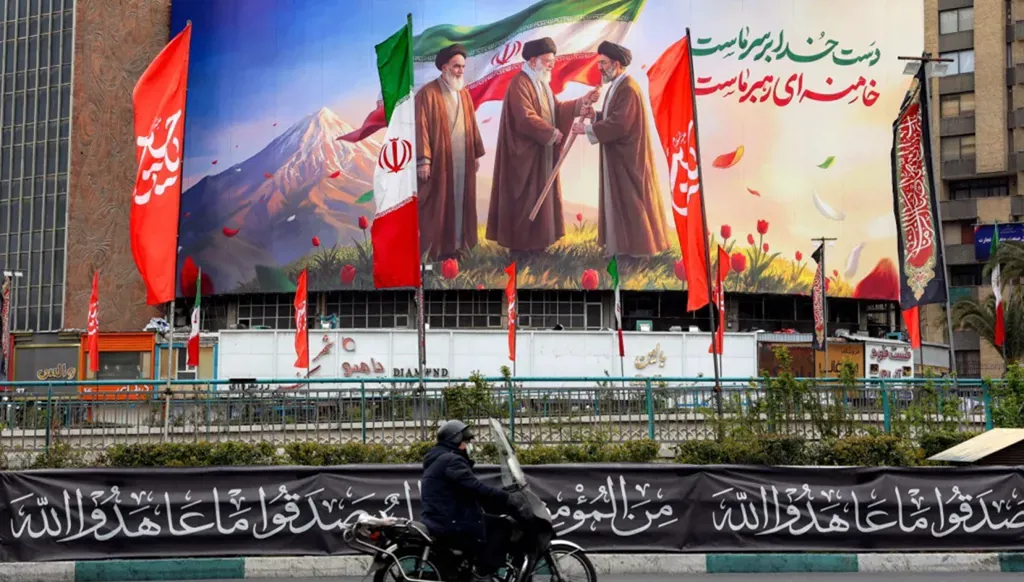


Amid the rapid transformations in the Middle East, Israel's statement that Lebanon is an "independent front" was not merely a fleeting military phrase but appeared to be a key to understanding the rearrangement of conflict zones in the region. While military battles on the Lebanese front intensify, dense international communications in the background suggest that the confrontation with Iran might be managed along a completely different path.
A strategic reading of the regional scene reveals that international powers are seeking to avoid sliding into a direct war with Iran. Iran is not merely a state in the regional equation but a central player in global energy and security balances. Any comprehensive confrontation with it could open doors that are difficult to close—from energy market disruptions to threats to vital maritime passages. For this reason, international diplomacy is moving intensively to contain the confrontation and shift it from a battlefield to a negotiation table.
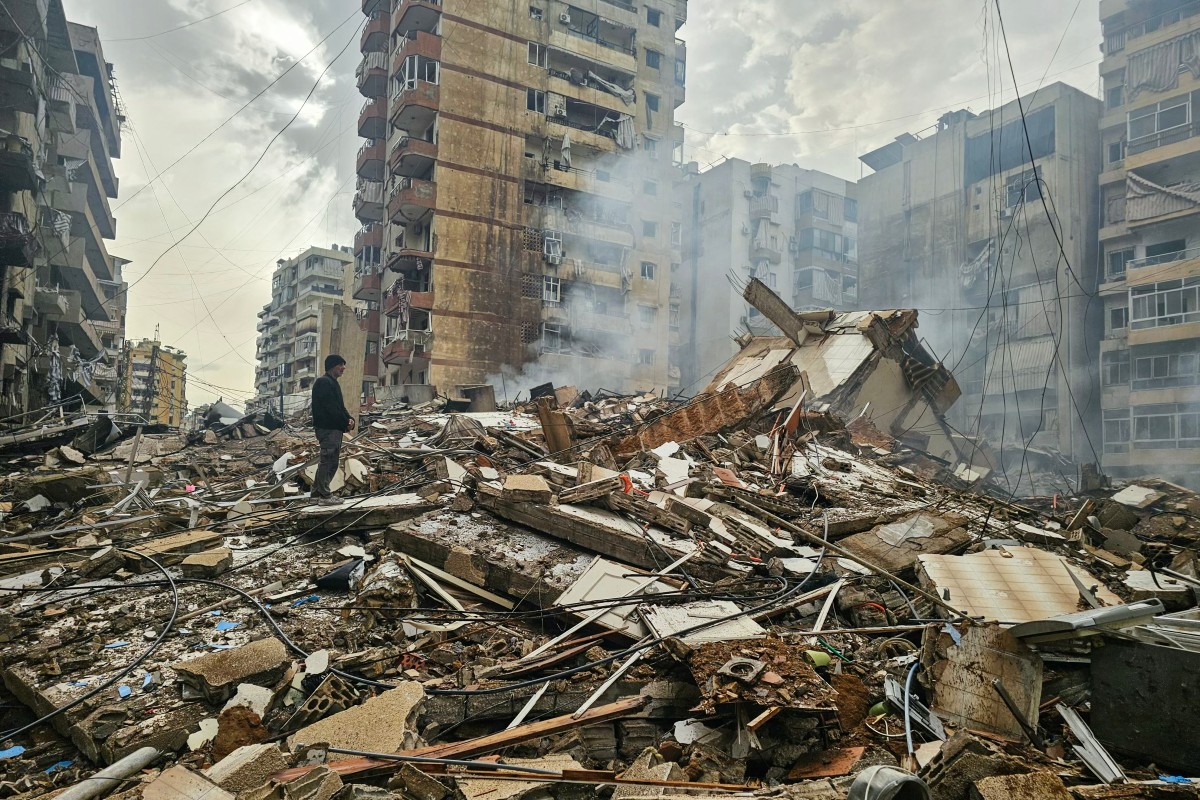
In this context, the communications by Russian President Vladimir Putin with regional leaders have emerged as a clear attempt to prevent the escalation of direct confrontation with Iran. Moscow understands that any wide-scale war with Tehran could alter international power balances and plunge the region into strategic chaos that is difficult to control. Accordingly, it seeks to play the role of a mediator, opening negotiation channels and redirecting the conflict from a military to a political path.
Conversely, the Lebanese front appears to be moving in a different direction. Military escalation continues, and threats are rising, suggesting that this area could become the battlefield where the war persists, even if international efforts succeed in containing the conflict with Iran. In this context, the statement of an "independent front" becomes clearer: Lebanon might remain the battleground, while Iran becomes a negotiation issue handled by major capitals.
This pattern of managing conflicts is not new in international politics. In many major crises, confrontation zones are separated to prevent a total explosion. The front that could trigger a wide regional war is contained through mediation and diplomatic pressure, while confrontations continue in other, less sensitive areas of the global power balance.
In this context, the statements of Mojtaba Khamenei gain particular significance in reading the scene. His speech, emphasizing the continuation of confrontation through the "Axis of Resistance," suggests that Tehran understands the nature of this equation well. Even if direct confrontation with Iran is transformed into an international negotiation issue, the conflict may not fully end but could continue through the regional arenas connected to it. In this sense, Khamenei junior’s statements reflect an Iranian understanding that the battle may shift from direct confrontation to a prolonged struggle for influence across surrounding fronts.
This connection between Iranian discourse and Israeli statements reveals a more complex picture of the scene. While Israel seeks to present Lebanon as a separate front, Iran and its allies view the zones as interconnected within a broader conflict. Between these two perspectives, a new equation emerges: military pressure may persist in Lebanon, while the confrontation with Iran is managed through politics and international mediation.
If this scenario is indeed forming, then Lebanon enters a highly sensitive phase. Instead of being just a party in a regional war, it might become the main theater of attrition in the ongoing conflict. The confrontation that the world fears might happen directly with Iran could be effectively managed through the Lebanese front.
Here lies the harsh paradox of Middle Eastern geopolitics. While communications between major capitals continue and balances are managed through diplomatic channels, some lands remain open fields for fire. At this particular moment, a new equation in the region may be taking shape:
Iran is discussed at the negotiation table… whereas Lebanon may be left to bear the burden of the battle.
In the world of international politics, major wars are often decided in negotiation rooms, but their costs are paid on other fronts.
Disclaimer: The opinions expressed by the writers are their own and do not necessarily represent the views of Annahar.