Raising taxes to disarm Hezbollah?


شارك على
 مسنجر
مسنجر
 واتساب
 ثريدز
ثريدز
 بريد إلكتروني
 الطباعة
شارك على





The government committed a fundamental error by approving regressive tax increases, especially having promised the Lebanese people an acceleration in government reform efforts and fiscal austerity.
The public sector suffers from structural inefficiency, and it is not clear how more money will fix the problem. When the government tried to promote healthy public sector relations, particularly with members of the military and security institutions, it chose the easiest and fastest solution—adjusting wages by increasing tax burdens. Furthermore, the tax increases are highly regressive, hitting the standard of living and purchasing power of all citizens without distinction. There is a world in which the government chooses to reform the tax system to ease the burden on low-income groups. We are not living in it.
Defending the government’s decision is impossible. As a result, there was broad agreement among political forces and parliamentary blocs in rejecting it. Even reformist groups that see Nawaf Salam as their representative in the government were unable to defend him.
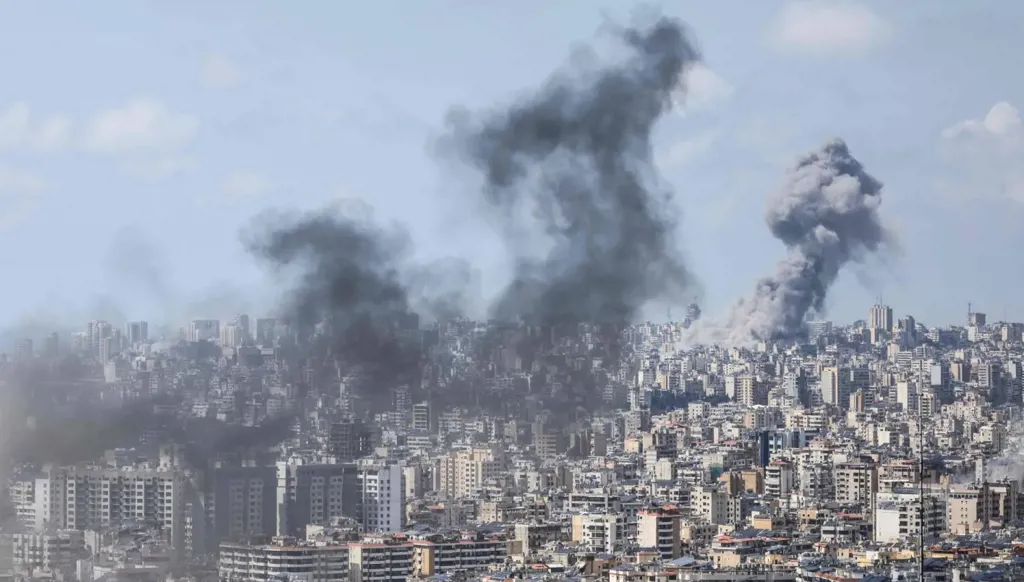
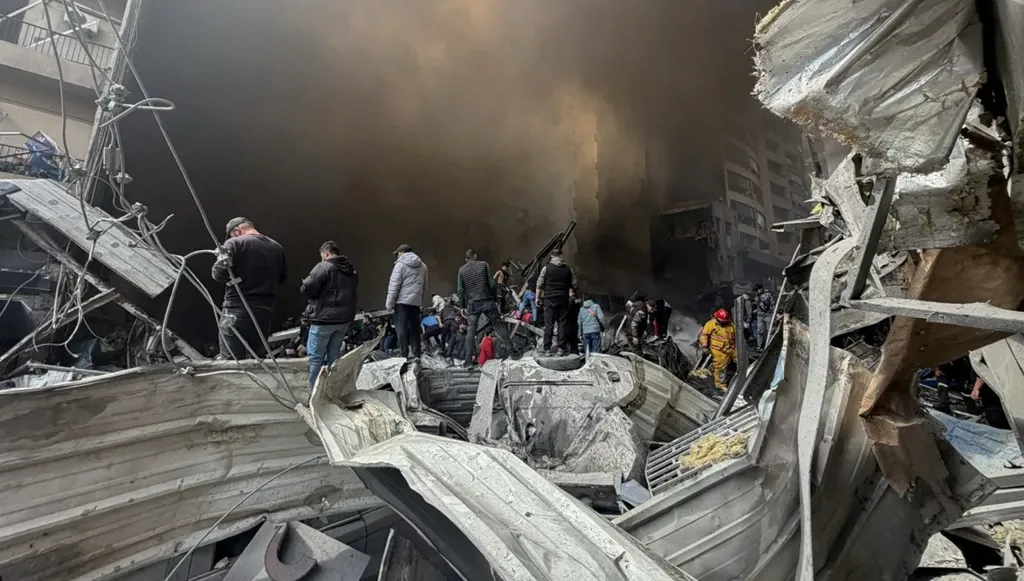
Some believe that the storm of MP media action will pass, leaving passage of the bill possible in Parliament. Funding the wage corrections for the army and security forces is a priority at a time when the army is asked to undertake major tasks, foremost among them disarming Hezbollah as quickly as possible. This is especially urgent given the possibility that Israel may launch a large-scale attack on the group in various areas of Lebanon, including the capital Beirut, where Israelis believe Hezbollah has military infrastructure, exploiting densely populated neighborhoods as cover, which makes targeting these locations more difficult amid crowded residential areas of diverse sectarian communities.
Regardless of the decision, the method by which this proposal reached the public deserves criticism, especially for a government that considers itself reformist. Supporting the army, which remains, above all other considerations, legitimate as a cause for temporary pain, was not clearly expressed. After proposing the bill, Salam's ministerial and advisory team proceeded to hide behind the Prime Minister, shielding themselves from attack.
Disclaimer: The opinions expressed by the writers are their own and do not necessarily represent the views of Annahar.
العلامات الدالة
الأكثر قراءة