

Behind the scenes: Hezbollah and the Presidency navigate northern Litani disarmament


 Messenger
 Whatsapp
 Threads
 Email
Email
 Print
Print
 X
X
 Facebook
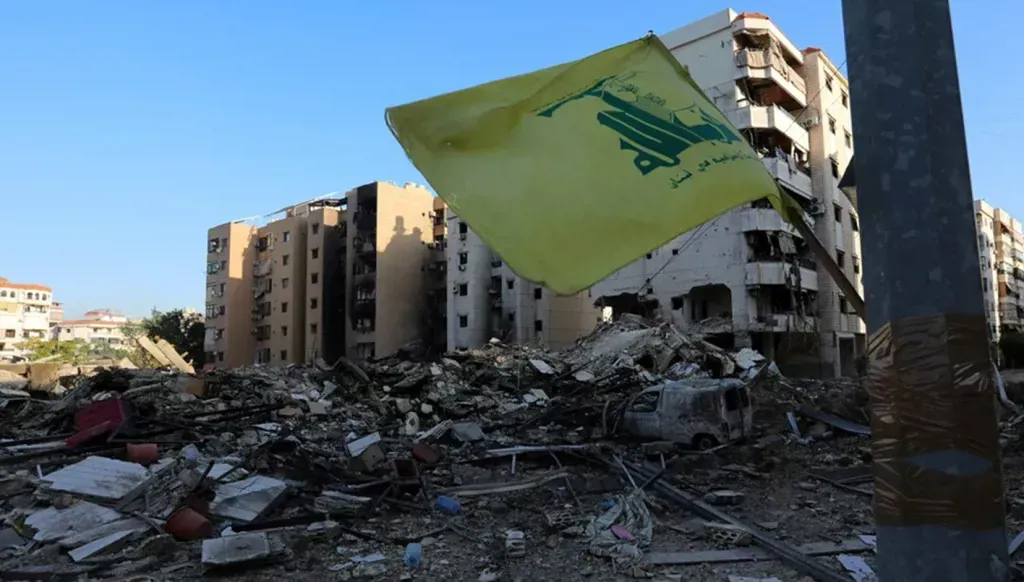


The government’s latest session green lit the second phase of the army’s disarmament plan for Hezbollah which seeks to remove all Hezbollah weaponry between the Litani and Awali rivers. As talks progressed, some observers sensed a quiet understanding taking shape between the Presidency and Hezbollah. One of the key points was that army commander Rodolphe Haykal would present the second and most important phase of the plan without a fixed timeline for its execution.
Regardless of the cooperation, Hezbollah leaders launched a strong “preemptive attack” about 36 hours before the government session, with a shared message warning of risks in case of any sudden action by the government.
Those delivering this warning from Hezbollah platforms included six MPs, and later, the party’s Secretary-General Sheikh Naim Qassem, who spoke in tandem with the government session.
The session’s decisions confirmed what had been expected: the military is ready to implement the second phase of the disarmament plan in northern Litani, and execution will likely take place over a period of four to eight months, extendable if needed.
The lead-up to the government session and its outcomes suggested to some observers that Hezbollah is now reassured by certain guarantees. In particular, Hezbollah's calm reaction to the session has been compared to their escalatory response to the August 5th session of parliament which set the end of the 2025 as a deadline for disarmament.
There are multiple interpretations of this new reality, particularly regarding whether Hezbollah received the assurances it lacked before the August 5 session, which had prompted it to shut down all communication channels with state institutions in protest.
Sources familiar with the party’s atmosphere say that since Parliament's September 5 session, the urgency of some hardliners focused solely on the issue of weapons exclusivity has subsided and been replaced by a greater willingness to seek quiet solutions.
These sources also note that the revival of the main communication channel between Hezbollah and the Presidency—through President Joseph Aoun and Hezbollah parliamentary bloc leader Mohammad Raad was a crucial step in this context. Aoun’s envoy, retired Brigadier General André Rahal, met with Raad just hours before the latest government session.
Media sources within the party told Annahar that the main focus of the open communication between Aoun and Raad is the insistence of both sides on avoiding any contradictions or disagreements that could lead to future tension in their relationship.
But what does Hezbollah know about reports about the President's unreleased “national security” plan a roadmap to weapons exclusivity?
The source responds: “We have learned that President Aoun appointed a team some time ago and tasked it with preparing a national security plan. This is not new to us, but we can confirm that we have not yet seen any details on the matter.”
Hezbollah is not eager to celebrate the step, seeking to tie any forthcoming state strategy to a discussion of the party's goals. The issue continues to be extremely sensitive.
Disclaimer: The opinions expressed by the writers are their own and do not necessarily represent the views of Annahar.