

Lebanon’s elections in crisis: Power, law, and political surrender



 Messenger
 Whatsapp
 Threads
 Email
Email
 Print
Print
 X
X
 Facebook
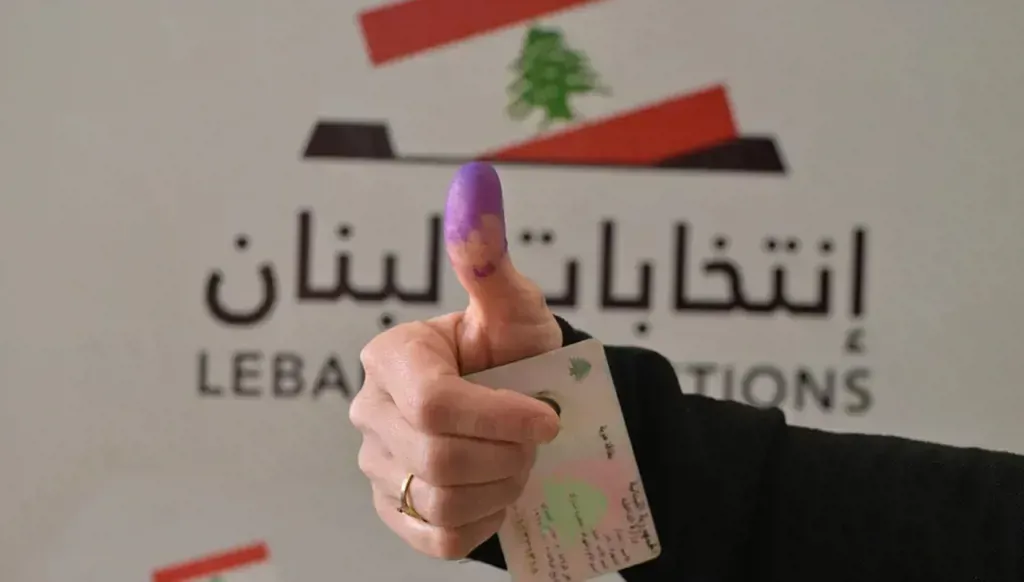


The principle of regularly conducting elections—any elections—on their constitutional and scheduled dates is a fundamental foundation for democratic order and adherence to legal procedures, both in form and in substance. It is as essential as supplying oxygen to the body of the state, gradually renewing the political class through free public referendums. This reminder would not have been necessary if the country were not exhibiting significant, advanced signs of sliding toward one of the serious pitfalls represented by the features of a broad political surrender, approaching a "big deal," which would allow parliamentary elections to be conducted with a serious legal flaw, regardless of the outcome.
It has become apparent that there is a temporal and procedural impossibility for the government to fulfill three mandates under the existing electoral law: electing six expatriate seats from across the continents, implementing the magnetic card, and establishing the "Megacenter" collective polling centers. The Speaker of the House of Representatives, in recent statements and discussions, has raised yet another impossibility, signaling that there is no longer any intention of presenting an amendment to the electoral law to the general assembly of his "Parliament."
It is true that Lebanon has experienced numerous anomalies involving the manipulation and distortion of the constitution and laws to serve coercive wills or sectarian political interests, which in turn have intersected and further warped the system. No clearer example of this grim reality, which has accompanied Lebanon’s crisis-ridden history, exists than the recurring presidential voids or the repeated manipulation of specific electoral laws and other legal flaws. However, the current prevailing trend of passing the electoral law without amendment signals what appears to be a general failure of the Parliament and government as a whole, and alongside them, all political forces equally, without exception.
The suspicion is growing regarding the general silence and apparent surrender to holding the elections, even while ruling out any possibility of postponing or undermining them due to sudden developments or unavoidable Israeli military actions, without the necessary legal amendment. This has become an unavoidable reality that should not be delayed, as failing to address it would itself constitute a blatant legal violation, exposing the entire election to unprecedented challenges or appeals.
The danger lies not only in allowing the elections to proceed without amending the law, nor merely in the overlap and overreach of powers between the government and the council, with warning decrees flying around. The graver issue, in constitutional, legal, and political terms, is reflected in the parliamentary and political acceptance—or in the growing signs of surrender—that permit a violation of the law because the Speaker has made his individual decision as if he were an absolute ruler whose choice is irreversible. In doing so, he crowns his "sweeping" political victory over all parliamentary and political forces, including independents or so-called independents, as he has spent over a year battling against them.
This aspect of the ongoing preparations for the forthcoming parliamentary elections—even though the elections seem guaranteed unless prevented by war or a natural disaster—will mark a distortion that will accompany both the process and its outcomes, no matter how eloquently the sanctity of the election date is defended with overzealous arguments that cannot conceal the silence surrounding the Speaker’s solitary decision of such magnitude. Furthermore, if matters proceed, passing an illegal act regarding a law considered the cornerstone of democratic systems will follow, potentially subjecting the Constitutional Council to political compromises that nullify possible appeals. This would have severe repercussions for the implementation of all laws and might even haunt the constitution itself, shaking the remnants of its prestige—if any remain. Congratulations to us on this creeping achievement!
Disclaimer: The opinions expressed by the writers are their own and do not necessarily represent the views of Annahar.