

No winner from division: How the UAE prioritizes Gulf security over internal disputes in Yemen


 Messenger
 Whatsapp
 Threads
 Email
Email
 Print
Print
 X
X
 Facebook
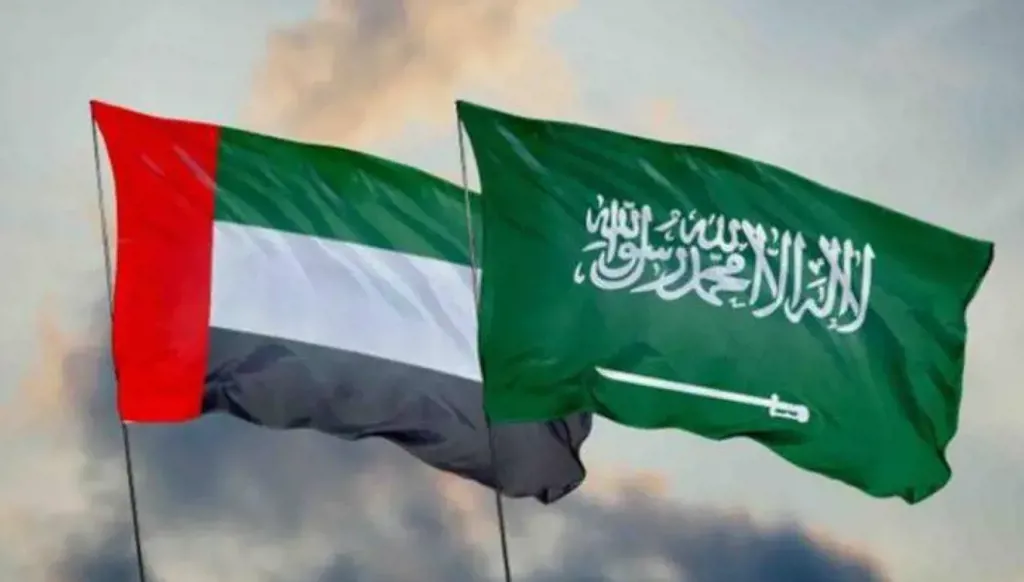


Amid the rapid developments in southern Yemen, the UAE responded in a manner that upholds partnership and safeguards the security of the entire Gulf. Its approach reflected the logic and gravity of a state rather than the impulses of the moment. The UAE did not respond to accusations with counter-accusations, nor did it treat Saudi Arabia as an adversary. Instead, it firmly and clearly reaffirmed its position, emphasizing that its actions were conducted within the framework of coalition coordination, rejecting any involvement in a Yemeni-Yemeni conflict, and underscoring that Saudi Arabia’s security is inseparable from the security of the Gulf as a whole.
They put this logic into practice by announcing the full withdrawal of their remaining military presence, choosing de-escalation as their path. By doing so, they returned the disagreement to its proper place - handled through coordination between partners rather than through public debates and commentary. After all, widening public divisions serves no one and only creates openings for the Houthis and extremist groups to exploit.
Even amid sharp tensions, both countries held on to their sense of fraternal ties. This wasn’t a token phrase to soften tensions; it signaled that the situation was meant to remain a matter for careful assessment within the partnership framework, not a fracture in its foundation. The real question, then, is about the mechanism: Should allies handle differences through established coordination channels to prevent misunderstandings, or through public forums where every word is scrutinized and opponents can seize on them?
Diverting focus from confronting the Houthis and combating terrorism to engaging with the Southern Armed Forces - who played a central role in reclaiming liberated areas and restoring security - is highly risky. While opinions may differ on the future structure of the Yemeni state and the interpretation of power-sharing arrangements, shifting attention from the greater threat to internal disputes risks a familiar outcome for Yemenis: prolonging the crisis, squandering the remaining opportunities for normalcy, and leaving the field to those who benefit more from division than from any meaningful resolution.
Thus, the UAE’s approach appears far more pragmatic. De-escalation is not a retreat from its position but a deliberate strategy to manage differences - returning disputes to their proper arena: joint coordination rooms rather than public media platforms. When disagreements are aired publicly, they quickly shift from political debates into crises of trust - and in matters of security, a trust deficit rarely stays contained; it inevitably spills over into every other sector.
The UAE does not seek conflict with Saudi Arabia, nor does it aim to gain politically at a partner’s expense. Its stance is clear: The compass must remain pointed at the real threat - Houthis and terrorism - not shifted toward a party already bearing responsibility for the crisis. Yemen cannot endure another front within the same camp, and the region cannot afford to see trust eroded between two partners relied upon for coordination in the most sensitive operations. By returning disagreements to their proper channels, the space for misinterpretation closes, leaving little room for those waiting to exploit any gap.
In the end, no one benefits from internal divergence, except the Houthis.
Disclaimer: The opinions expressed by the writers are their own and do not necessarily represent the views of Annahar.