

Trump’s Iran strategy: Chaos as a tool of power


 Messenger
 Whatsapp
 Threads
 Email
Email
 Print
Print
 X
X
 Facebook
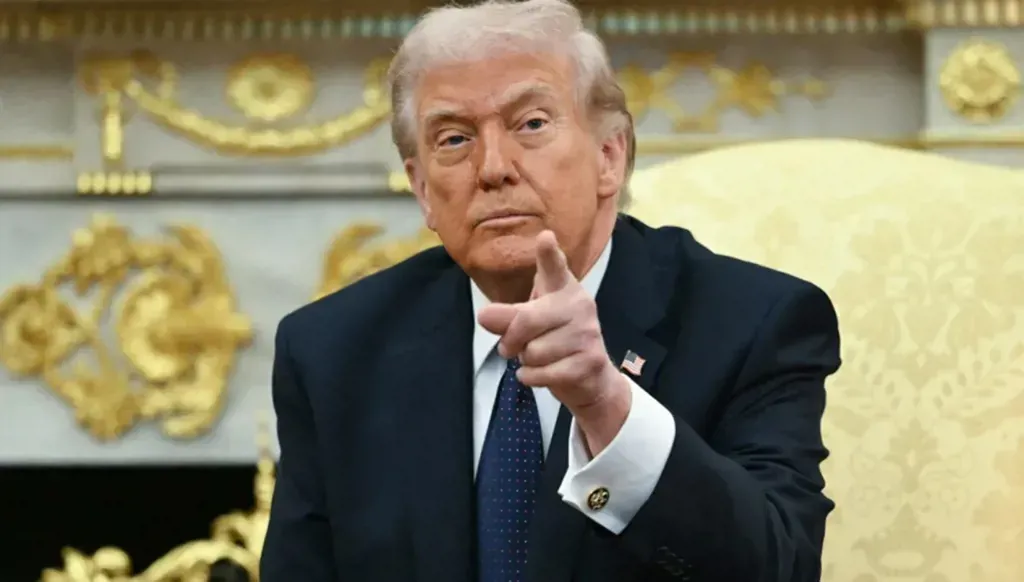


The reasons behind President Donald Trump’s “epic anger” operation against Iran change almost daily, and the expected outcomes of the operation shift accordingly.
Trump, who has an extraordinary talent for saying one thing and its opposite on matters far less significant than attacking a country the size of Iran, continued to use this strategy of contradictions in the first “war” he is waging under a less formal label to avoid going through Congress and to avoid shocking the majority of the American public, who do not want to engage in distant wars, whether they are Trump supporters or opponents. Otherwise, if this is not the war, then what is?
One of Trump’s main reasons for the operation, which the U.S. military had been preparing for months, was his strong sense that these lunatics, the Iranians, might strike first. Later, he said his only concern was the “freedom of the Iranian people,” only to return and say he was ready to negotiate with an alternative authority within the regime. Unfortunately, the attack that killed Supreme Leader Ali Khamenei and dozens of top Iranian leaders made that option difficult, if not impossible. The Iranian nuclear program, along with its ballistic missiles and the wide-reaching branches of the Islamic Republic, has long been the cornerstone of U.S.-Israeli strategy on Iran. But Trump, adding the appropriate dose of epic to American anger, reminded everyone of the blood of thousands of Americans at the hands of the “evil” regime, recalling the historic hostage crisis of 1979.
So why launch the operation? And what options would satisfy him to end it? The confusion currently faced by the Iranian leadership, or what remains of it, is mirrored inside the United States. The timeline is open-ended: it could take four weeks, it might not take that long, or it could last even longer. The list of objectives, which determines when the war ends as each goal is achieved, is also unclear. Even the sacred principle of keeping U.S. troops off foreign soil, meaning no ground invasion, is no longer a “taboo” for Trump, who is not obligated to stick to a set plan in a war where he could later be judged a failure. He can decide at any moment to be satisfied with what has been accomplished and declare the war over with yet another tremendous victory.
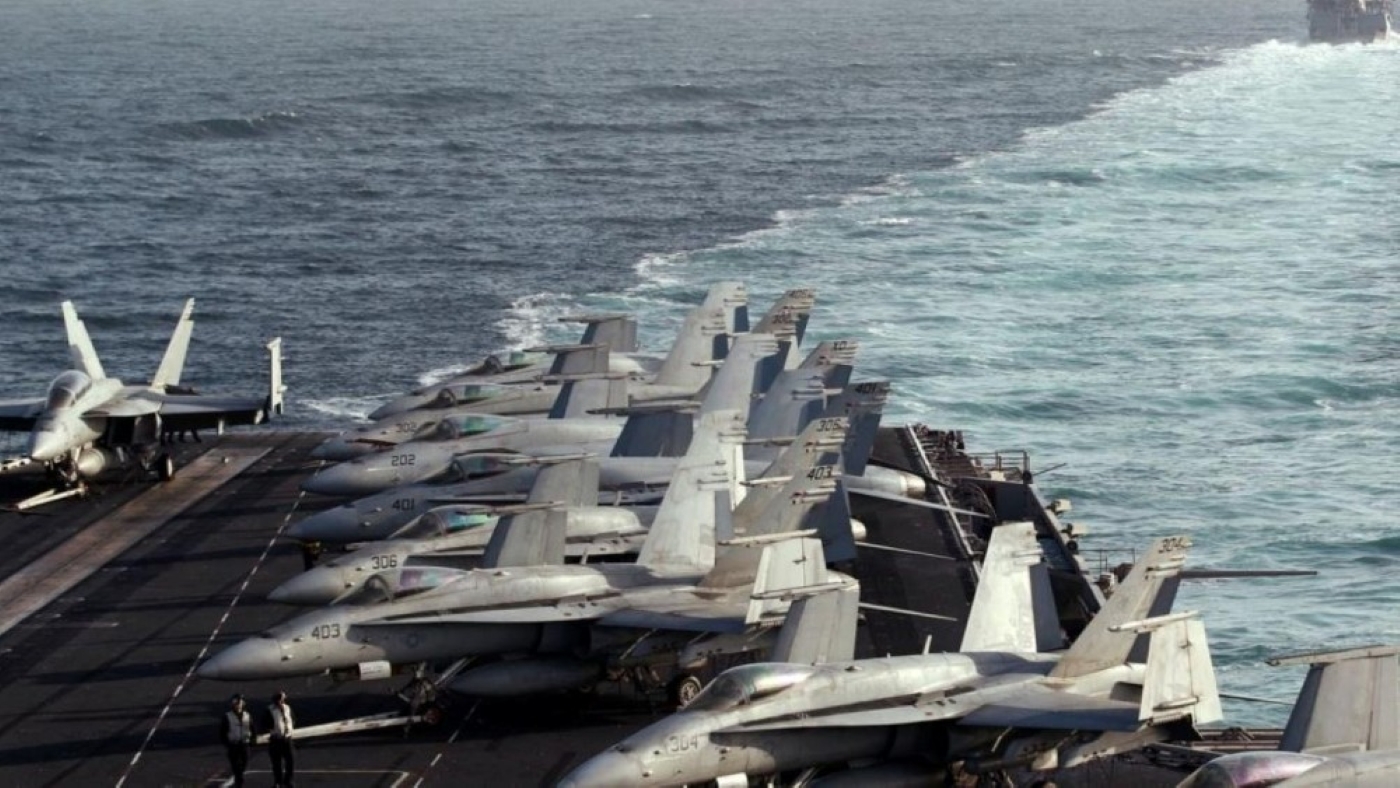
Although the war is still in its early days, the show of the great power’s military capabilities is, so far, unfolding exactly as Trump wishes, with his army fully prepared and militarily superior, after having reached, during the Democratic era, a low point in prestige along with the image of America as a whole. But just as Trump is unpredictable, it is impossible to predict how the war will end. Despite the obvious disparity in visible strength between Iran on one side and the United States and Israel on the other, relying solely on air power to topple a complex regime like the one ruling Tehran does not seem like a realistic scenario, though it is not entirely imaginary either. Relying on a popular uprising also appears overly optimistic under a hail of missiles and airstrikes. Another hoped-for outcome is a political collapse from within the regime, brought on by the inability to withstand the joint U.S.-Israeli pressure, leading to total surrender to American demands, which may extend beyond the “three no’s”—the nuclear program, ballistic missiles, and regional proxies—to even harsher conditions the Iranian regime could barely accept, such as signing a peace treaty with Israel or establishing a representative democratic political system… and other scenarios that the American imagination may envision for a defeated country.
Thus, with an arsenal of terrifying weapons now in play—those the Pentagon hides from its enemies only to reveal gradually—Trump seems, at this moment, more confident than ever in handling the “Iranian deal.” As a successful businessman, he is unwilling to set his gains in advance, the chief of which is his immortalization as an enduring American hero. Iran, meanwhile, assists him by shooting itself in the foot, antagonizing the Gulf states and sacrificing its regional allies by dragging them into preordained losing wars. Yet this time, literally, the ultimate word belongs to the field, and all the American president can do now is watch the secret and public videos the Pentagon proudly shows him and think about exiting the war with the greatest possible gains and zero political damage.