When AI meets acupuncture: Can machines master the human touch in medicine?


شارك على
 مسنجر
مسنجر
 واتساب
 ثريدز
ثريدز
 بريد إلكتروني
 الطباعة
شارك على


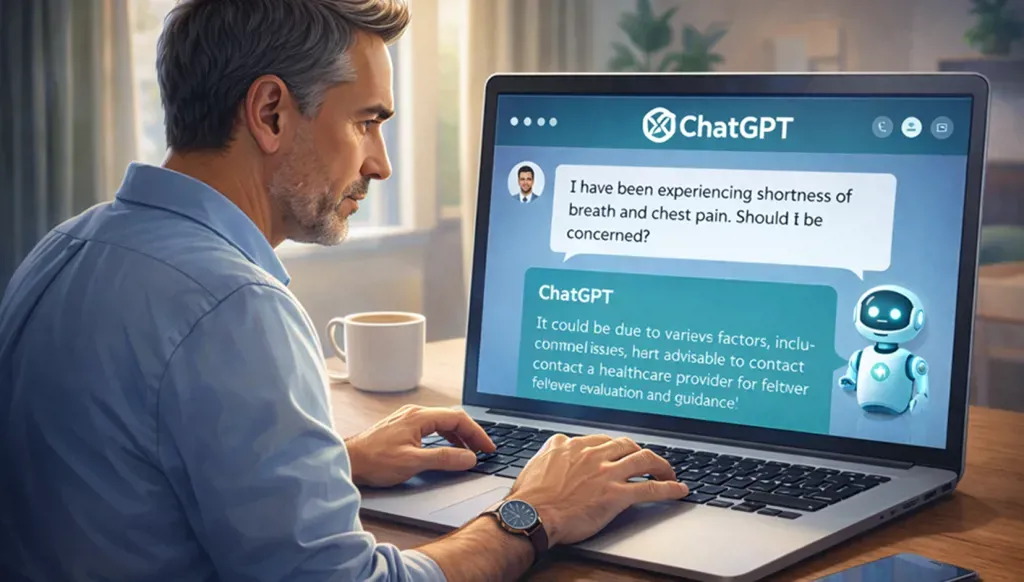


Between a precise needle and an expert hand, traditional treatment relies on sensation, movement, and direct interaction with the body. But what happens when algorithms enter this delicate scene? As artificial intelligence approaches the world of acupuncture, it opens a new door for discussion about the limits of technology in treatments long associated with a human touch.
On February 4th, a company in Tianjin, northern China, announced the development of a glove-like device controlled by the user's brainwaves, capable of performing acupuncture on the hands. The device is expected to assist stroke victims, though it remains in the clinical trial phase at local hospitals, according to the company.
Can artificial intelligence truly enter treatments that are fundamentally grounded in human touch?
Technology enters traditional clinics
These devices are part of Chinese companies’ and officials’ efforts to integrate traditional medicine with modern technology. Last month, the government unveiled a five-year plan to advance the traditional Chinese medicine industry, including the creation of digital smart factories for producing herbal mixtures, boosting research and development to find alternatives to rare ingredients, and using artificial intelligence to discover new treatments.
According to "The Economist," the plan described traditional Chinese medicine as a “jewel of Chinese civilization” that must be modernized.
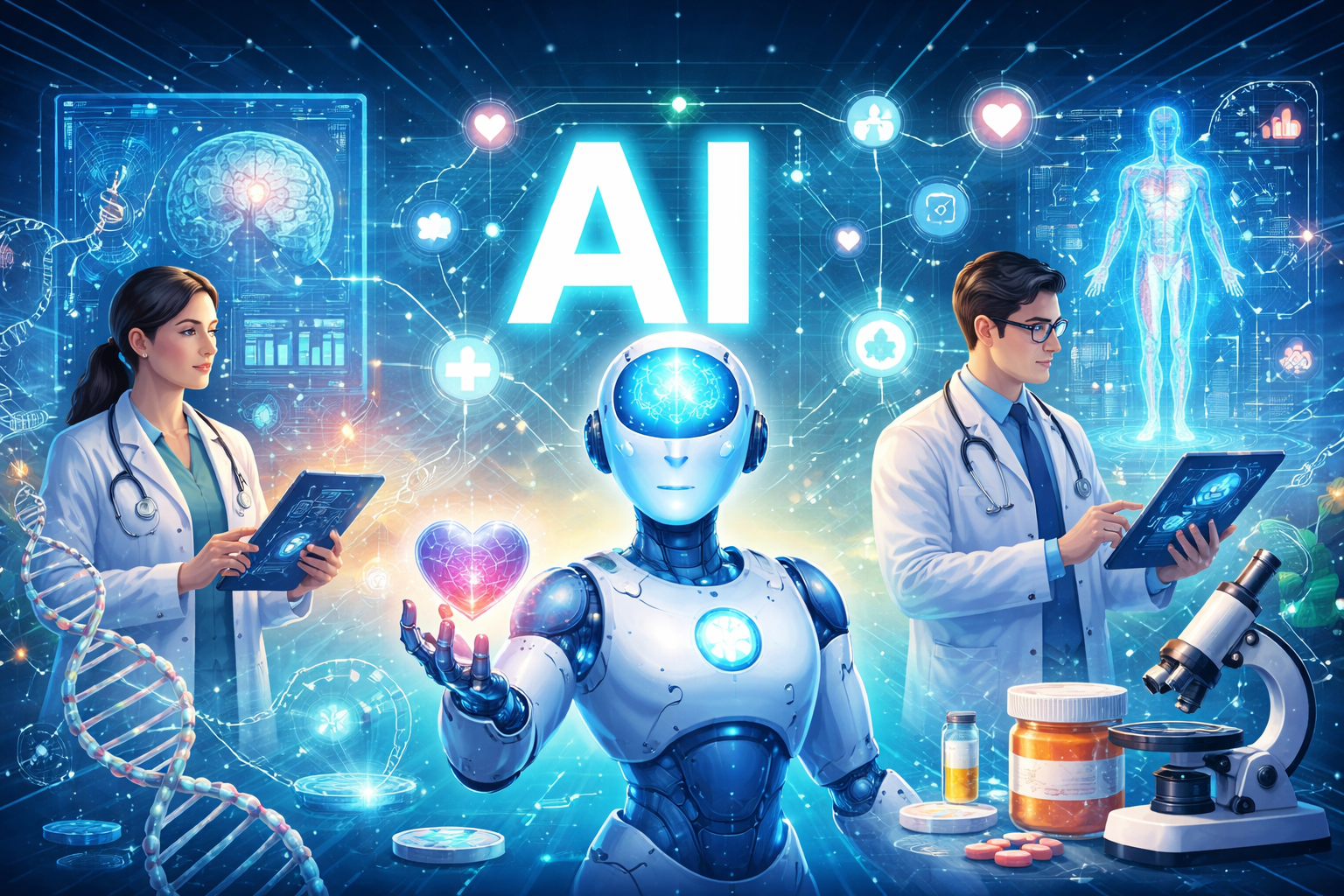
AI in medicine: diagnostic support without replacing humans
Ramez Al-Kara, a researcher in artificial intelligence, told Annahar: “It is difficult to precisely define the limits of artificial intelligence. However, it remains subject to operational constraints and depends on humans for many of its applications, even in robotic systems assigned specific tasks. The most significant risk is the "hallucination" effect, which can have serious consequences in the medical field.”
AI can theoretically assist in assessing patient conditions. However, actual diagnosis depends on a series of questions and answers between doctor and patient. Current systems struggle with rare or complex cases, relying on prior training data or analyzing recent articles and research, which makes the quality of information a critical factor, according to Al-Kara.
Acupuncture: the irreplaceable human hand
Dr. Fatima Abani, a specialist in physical therapy and alternative medicine, told Annahar: “Acupuncture relies on specific points that vary from person to person. One must therefore be attentive to patient discomfort or movement and observe muscle twitching to ensure the correct point is reached. The usefulness of a machine in this field is thus unclear, though it may be able to perform some tasks partially. From my perspective, manual work remains the best approach. While a person can operate the machine, for artificial intelligence to do it alone would not be effective or achieve the desired results.”
Patient trust between human and machine
Dina B., 30, told Annahar: “Artificial intelligence helps improve accuracy and reduce errors, analyzes vast amounts of data faster than humans, and contributes to early diagnosis, laboratory analysis, drug development, and robotic surgery. However, it remains a support for the doctor, not a replacement, combining technical precision with human expertise.”
العلامات الدالة
الأكثر قراءة