When war voids protection: Lebanon’s insurance crisis unfolds
As conflict drives prices to extremes and limits coverage, many Lebanese find their homes, cars, and businesses left unprotected when they need insurance most.
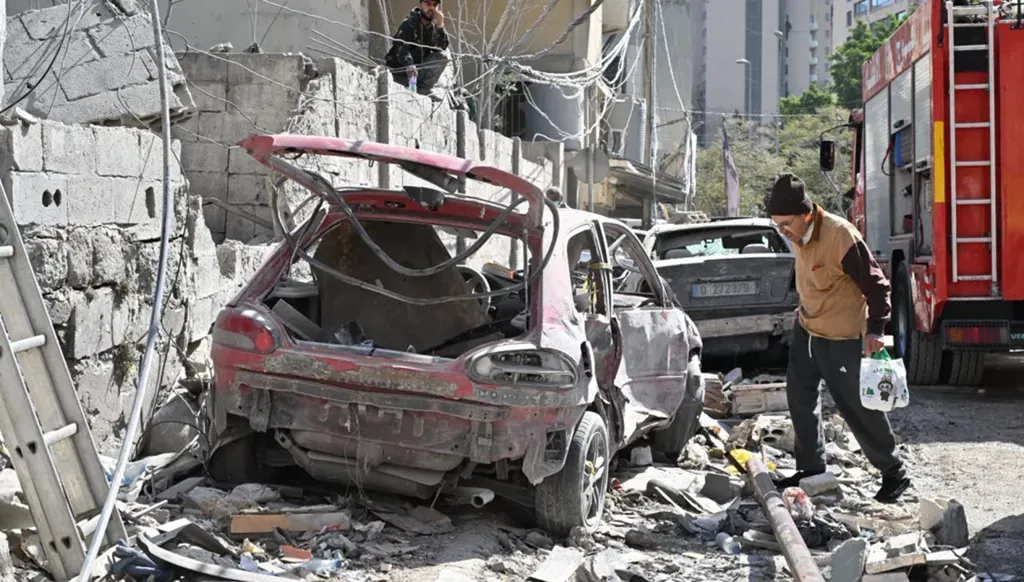
The destruction caused by Israeli bombing in Bashoura (Hussam Shbaro)
Mohammad sits on the rubble of his destroyed home in Beirut’s southern suburbs, going through the insurance policy papers for his car, which was also destroyed during the recent war. With a sense of bitterness, he reads the clearly written clause: “This policy does not cover any loss, damage, or liability arising directly or indirectly from war, invasion, acts of war, military operations, rebellion, revolution, armed uprising, or any acts of a warlike nature.”
Mohammad’s story, marked by a feeling of helplessness and betrayal after losing both his home and his car while receiving no protection from his policy, reflects a reality faced by many in Lebanon. There is a lack of coverage, fluctuating insurance costs for property owners seeking war-related protection, and limited options in areas most exposed to conflict.
In reality, insurance prices, once a source of reassurance, have now become a reflection of market volatility and wars, changing by the hour, while protecting homes, cars, and factories has turned into a daily challenge.
The head of the Insurance Companies Association, Assaad Mirza, highlights the scale of the problem, noting that “the prices of standard insurance policies remain unchanged, except for war coverage. The figures change every hour, as we receive new rates from reinsurers. At times, it is said that no coverage can be provided at all, and at other times it is offered at a very high price.”
Risk management under these conditions depends on the number of policyholders. The greater the number, the more companies are able to spread risk and absorb losses. However, disasters that affect everyone at once place companies before a challenge that goes against the principles of traditional insurance.
Mirza adds, “Even in areas that are not witnessing war, such as Beirut and Mount Lebanon, prices are extremely high, at least five to six times higher than before, and customers often reject them because they cannot afford them.”
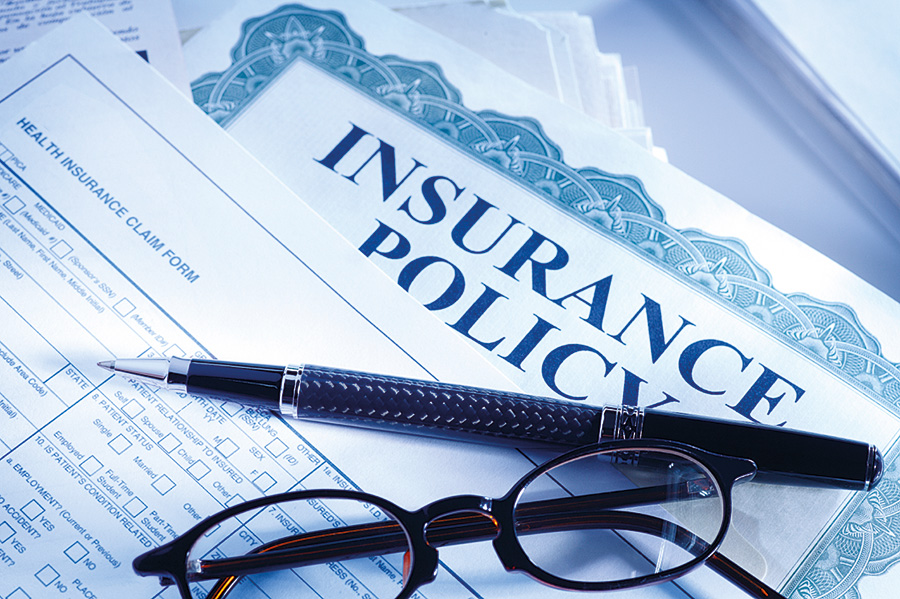
Insurance contract (illustrative)
While only about 5 percent of policies in the Lebanese market cover war risks, Mirza told An-Nahar that companies are currently not dealing with coverage that includes war in high risk areas, limiting themselves to approving standard insurance only. Outside war zones, if a client wants to purchase a policy that includes war coverage, companies impose a clause allowing them to cancel the insurance one or two weeks after the outbreak of war, while granting a notice period. This means that if damage occurs during that period, it will be compensated.
What about those who already have policies that include coverage for war related damages? Do companies compensate them if their property is damaged? Mirza confirms that “things are proceeding normally for them, as compensation is provided for any damage to homes, factories, cars, and so on, since they purchased the policy before the war.”
However, if a policy expires and the insured requests adding a clause covering war related damages to a policy such as health insurance, the matter appears difficult and may not be possible. This is because a large number of reinsurance companies have halted coverage in Lebanon, considering it to be in a state of war and therefore highly risky, according to Mirza. In addition, the possibility of coverage depends on the type of work of the applicant. If the person owns a factory or a company and seeks coverage for it and its employees, the location and nature of the business are assessed, including whether it is in areas targeted by the enemy or not.





 Messenger
 Whatsapp
 Threads
 Email
Email
 Print
Print
 X
X
 Facebook