

Strait of Hormuz blocked: Global food supply in danger
Millions of tons of grains, fertilizers, and essential food products rely on this strategic waterway, and any disruption could trigger worldwide shortages and rising prices.


 Messenger
 Whatsapp
 Threads
 Email
Email
 Print
Print
 X
X
 Facebook
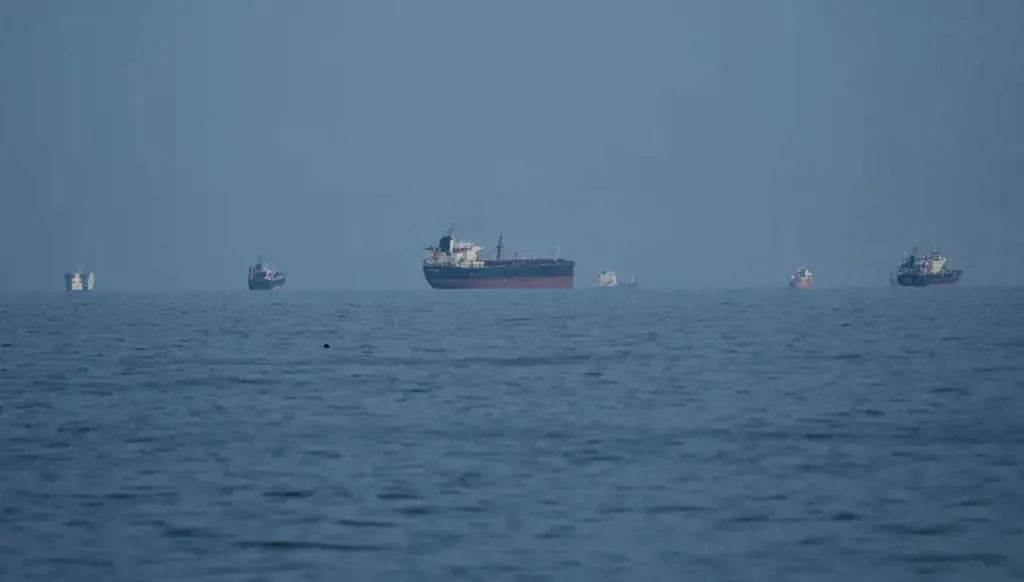


The Strait of Hormuz is no longer just a passage for oil; today it has become a vital route for global food. With conflicts in the region recurring, millions of tons of food are at risk of delay or disruption.
Grain trade data indicate that Gulf countries import around 30 million tons of grains annually, and a large portion of these shipments relies on passage through the Strait of Hormuz. Any continued disruption of navigation therefore poses a direct threat to food security in the region.
The strait is also a transit route for:
• Agricultural goods, accounting for 10.3 percent of total global exports
• Grains and seeds, representing 4.2 percent of total global exports and nearly more than half of the Middle East’s food imports
Not just food, but fertilizers as well
The greatest risk is not only to the food passing through the strait, but also to the fertilizers: about one-third of global fertilizer trade essential for agricultural food production worldwide passes through it.
As a result, a shortage of fertilizers means lower agricultural output, which leads to higher food prices and can trigger global food inflation. In fact, the prices of urea and fertilizers have risen significantly since the crisis began, threatening to drive up food prices worldwide.
Most imports to Gulf countries arrive through ports that can only be reached quickly via the Strait of Hormuz. Therefore, any disruption of navigation:
• Delays the arrival of wheat
• Causes shortages of animal feed
• Raises food prices
• Creates the possibility of shortages in certain goods
• Increases the rate of inflation
In other words, closing the Strait of Hormuz does not just cause an oil crisis, but a food crisis as well.
Conclusion
Today, the Strait of Hormuz has become a critical hub for the global economy, because what passes through it is not only:
• Oil
• Gas
• Petrochemicals
But also:
• Grains
• Animal feed
• Fertilizers
• Food products
Therefore, any continued closure of the Strait of Hormuz will inevitably affect store shelves and people’s dining tables, even at locations farthest from the strait itself.