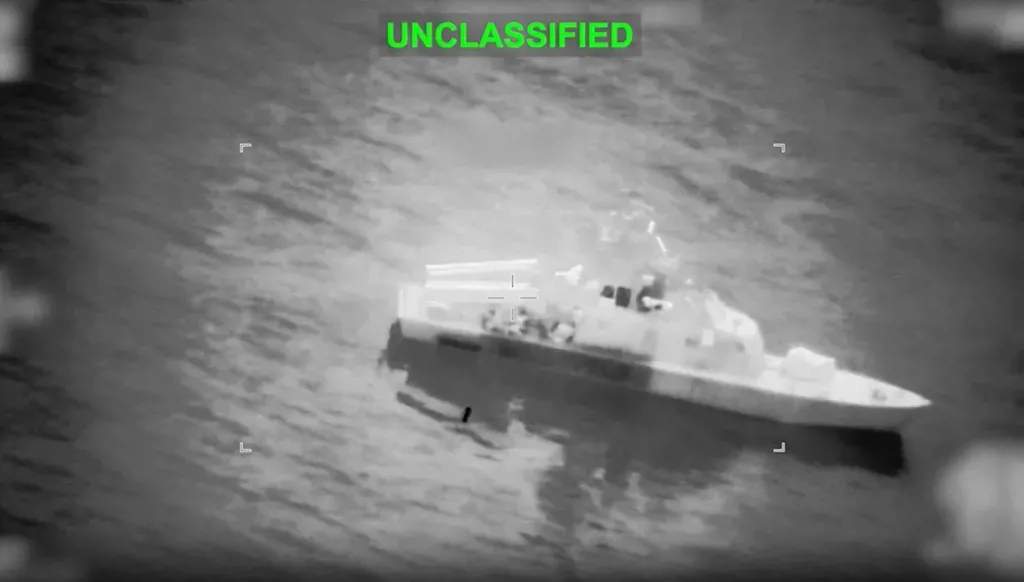
A tanker passing through the Strait of Hormuz (AFP).
The Financial Times reported today, Tuesday, that the Secretary-General of the International Maritime Organization, Arsenio Dominguez, said that providing naval escorts “will not guarantee 100 percent” the safety of ships attempting to transit the Strait of Hormuz.
Dominguez told the newspaper that military assistance “is neither a long-term nor a sustainable solution” for keeping the Strait open.
The strategic Strait of Hormuz, through which 20 percent of the world’s oil and liquefied natural gas flows, remains largely closed, pushing up energy prices and fueling concerns about inflation.
Attack on an oil tanker in the Strait of Hormuz (AFP).
The closure is forcing a swift and costly rethinking of supply chains to keep essential imports moving, as logistics companies struggle with rerouting ships, transporting goods overland, and preventing perishable items from spoiling.
Dominguez told the newspaper, “We are merely collateral damage in a conflict whose root causes are unrelated to maritime shipping.” He added that the IMO is deeply concerned about crews stranded in the Gulf running out of food and supplies.
The International Maritime Organization’s Council will hold an extraordinary session on Wednesday and Thursday at its headquarters in London to discuss the impact of the ongoing Middle East conflict on maritime shipping and seafarers.
The report noted that Dominguez urged shipping companies to “avoid sailing, protect seafarers, and not put vessels at risk.”
U.S. President Donald Trump accused some Western allies of ingratitude after several countries declined his request to send warships to escort oil tankers through the Strait of Hormuz.



 Messenger
 Whatsapp
 Threads
 Email
Email
 Print
Print
 X
X
 Facebook


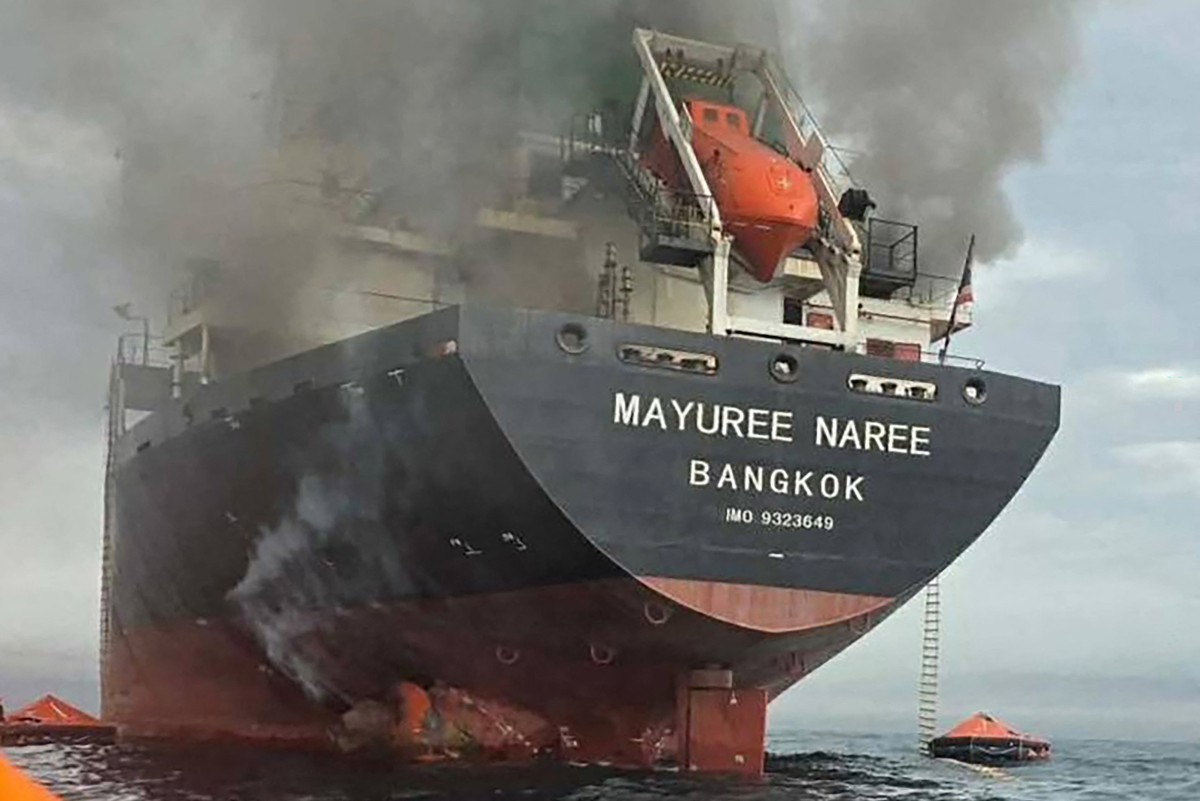 Attack on an oil tanker in the Strait of Hormuz (AFP).