

Strait of risk: Iran’s oil economy on the brink



 Messenger
 Whatsapp
 Threads
 Email
Email
 Print
Print
 X
X
 Facebook
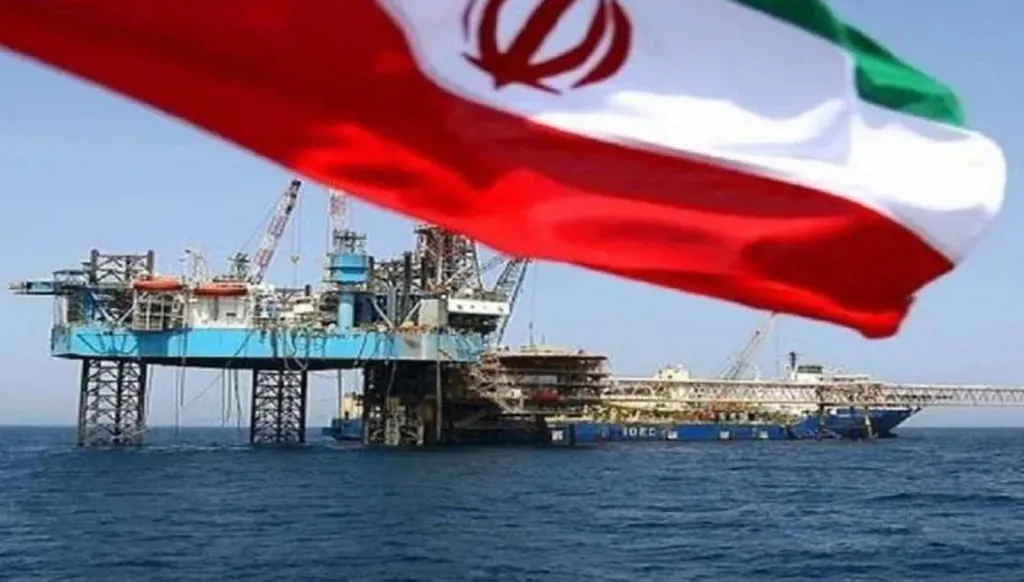


The Iranian oil sector underwent profound changes between 2024 and early 2026. While 2024 was dedicated to consolidating full reliance on the Chinese market and institutionalizing techniques to evade sanctions, 2025 saw Tehran attempting to integrate into alternative financial systems outside the dominance of the US dollar. However, the outbreak of war on February 28, 2026, confronted the sector with an existential test, shifting the focus from revenue optimization to protecting infrastructure from total destruction.
Iranian Exports (2024–2025)
In 2024, Iran earned nominal revenues of 35.76 billion dollars from oil exports. This figure reflected the Iranian regime’s ability to withstand the Western “maximum pressure” campaign, while masking a complex reality of large discounts and secret logistical costs.
China took the lion’s share of Iranian oil, purchasing 32.5 billion dollars’ worth, accounting for more than 90 percent of total Iranian exports. Iran’s heavy reliance on China as its sole buyer made Beijing an indispensable partner and tied the Iranian economy to China’s economic and political appetite.
Syria under Bashar al-Assad also emerged as a major destination for Iranian oil, importing about 1.2 billion dollars’ worth, roughly 3.3 percent of Iran’s total exports. The remaining shares were distributed among the United Arab Emirates at 2 percent and Venezuela at 1.2 percent.
| Destination Importer | Export Value (billion dollars) | Share of Total Exports (%) | Estimated Volume (thousand barrels per day) |
| China | 32.5 | 90.8 | 1460 |
| Syria | 1.18 | 3.3 | 53 |
| UAE | 0.72 | 2.0 | 32 |
| Venezuela | 0.43 | 1.2 | 19 |
| Iraq | 0.32 | 0.9 | 14 |
In 2025, the Iranian oil sector faced increasing financial pressures, despite production remaining steady at around 3.1 million barrels per day. Data from the Central Bank of Iran show that the nominal value of exports fell by 10 percent to 30.7 billion dollars in the first half of the Iranian fiscal year. However, the real challenge lay in accessing these funds, as reports from the Iranian Parliament’s Budget Committee indicate that the government actually received only 13 of the 20 billion dollars earned in the first eight months of the fiscal year.
This financial gap was mainly due to the “costs of evading sanctions,” which consume about 20 percent of total oil revenues. These costs include large discounts offered to independent Chinese refineries, ranging from 8 to 11 dollars per barrel, as well as high shipping and insurance costs associated with the shadow fleet.
These financial pressures worsened structural crises within Iran, with capital flight reaching a record 15 billion dollars in the first half of 2025.
The MBridge Alternative
Tehran and Beijing realized that controlling shipping routes alone was not enough unless parallel financial channels beyond the reach of the US dollar–dominated SWIFT system were secured. In late 2025, Iran and several BRICS partners began accelerating the use of the mBridge platform, a central bank digital currency (CBDC) settlement system that includes China, the UAE, Saudi Arabia, and Thailand. Through this platform, transaction volumes surpassed 55 billion dollars by February 2026, with the Chinese digital yuan (e-CNY) accounting for 95 percent of these operations. The platform provides Iran with a way to settle energy trade instantly without the need for correspondent banks in the United States, making transactions nearly invisible to Western financial monitoring mechanisms.
In addition to digital solutions, Iran expanded the use of barter systems. In 2025, a sophisticated “cars-for-metals” exchange network with Chinese companies such as Chery and the Tongling Metals Group was revealed. In this model, Chinese firms export car parts to Iran for local assembly in exchange for shipments of Iranian copper and zinc, which are then sold on global markets. This completely eliminates the need for traditional banking intermediaries.
Kharg, Hormuz, and Jask
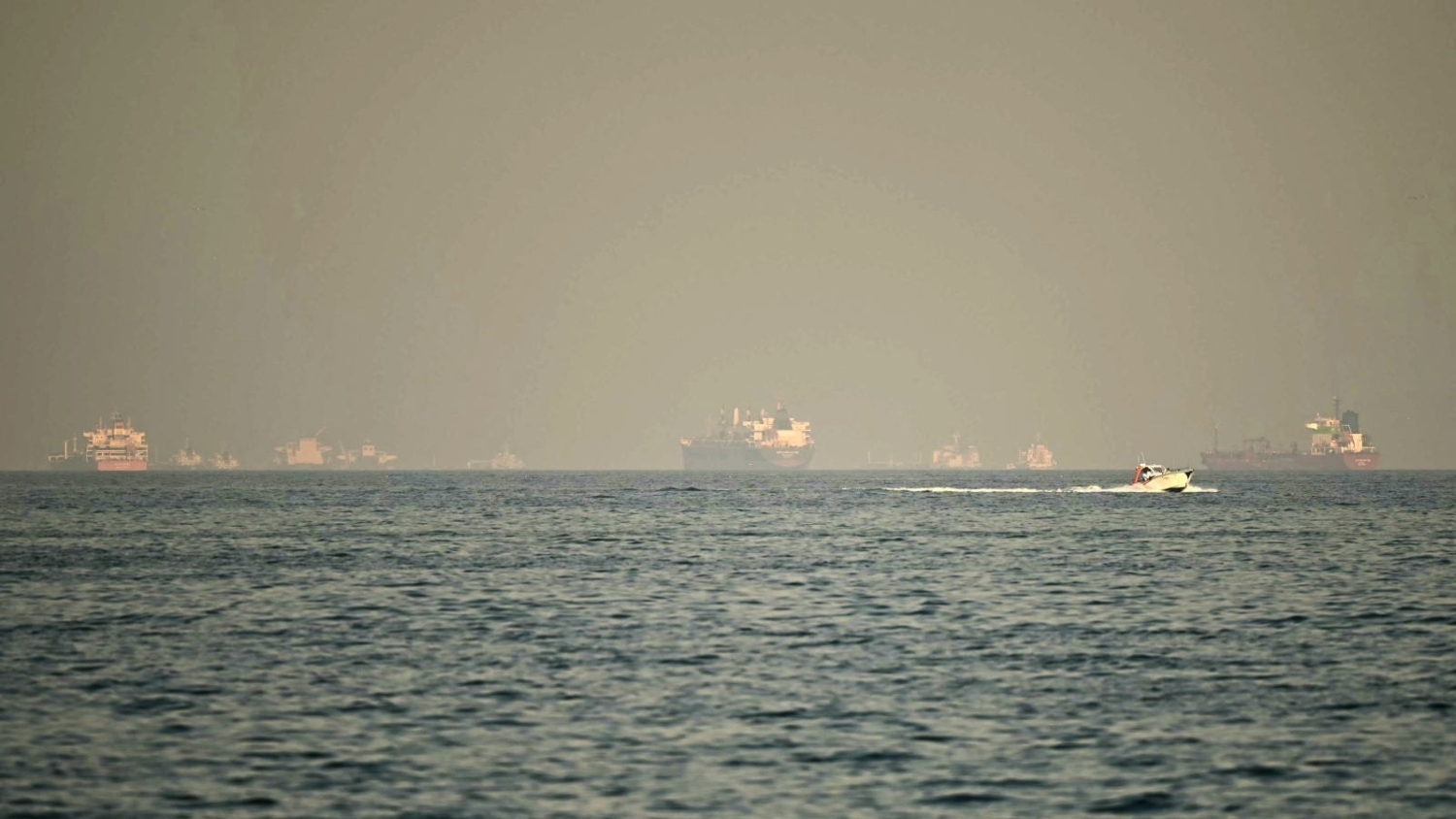
Kharg Island is the backbone of the Iranian economy. Due to the shallow nature of Iran’s coastline, most exports flow through this deep-water port. In the first 80 hours of the war, massive explosions were reported at the island’s oil facilities. Although it is difficult to verify the full extent of the damage amid the conflict, targeting this site effectively halts Iran’s ability to export crude oil for an extended period. As the attack intensified, Iran closed the Strait of Hormuz, through which about 20 million barrels per day of oil—roughly 20 percent of global consumption—normally pass.
Historically, Iran relied on the “Goreh–Jask” pipeline and the Jask port, located outside the strait, as an emergency outlet capable of exporting one million barrels per day. However, reports from the International Energy Agency in early 2026 indicate that this project remained “operationally ineffective.” After a single trial shipment in late 2024, no additional oil was exported from Jask, leaving Iran during the war without a real land or sea alternative to bypass the strait’s closure.
Today, the war has halted all Iranian oil activity. China is the largest affected party due to both the halt and the closure of the Strait of Hormuz, but it had prepared for this scenario by building a massive strategic stockpile of 1.39 billion barrels, enough to cover 120 days of demand. Russia, meanwhile, sees Iran as a vital bridge for bypassing Western sanctions through the North-South international transport corridor.