

Life inside the dead internet


 Messenger
 Whatsapp
 Threads
 Email
Email
 Print
Print
 X
X
 Facebook
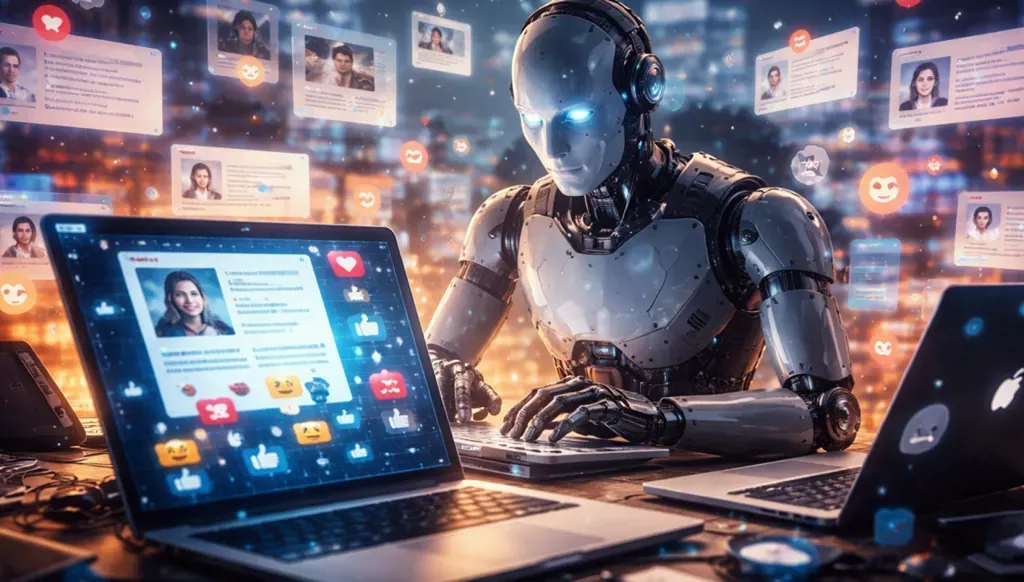


The behavior of digital platforms is leading many to assess that much of what exists on the internet is no longer the product of human engagement. Behind the high numbers of likes and comments, automated systems work to generate and maintain activity. Supporters of the “Dead Internet Theory” suggest that nearly 60 percent of daily online activity comes from automated programs that mimic human behavior.
These bots are used as tools to manage and manipulate emotion in pursuit of increased engagement. Because anger remains the most algorithmically recyclable emotion, bots generally push sharp political comments to keep users on a given platform for as long as possible.
In the field of digital consumption, the phenomenon takes on a more practical and visible dimension. A significant number of positive reviews of products and services come from automated accounts designed to build artificial trust and steer purchasing decisions. This form of systematic falsification does not only drain money but also undermines public trust in the digital space.
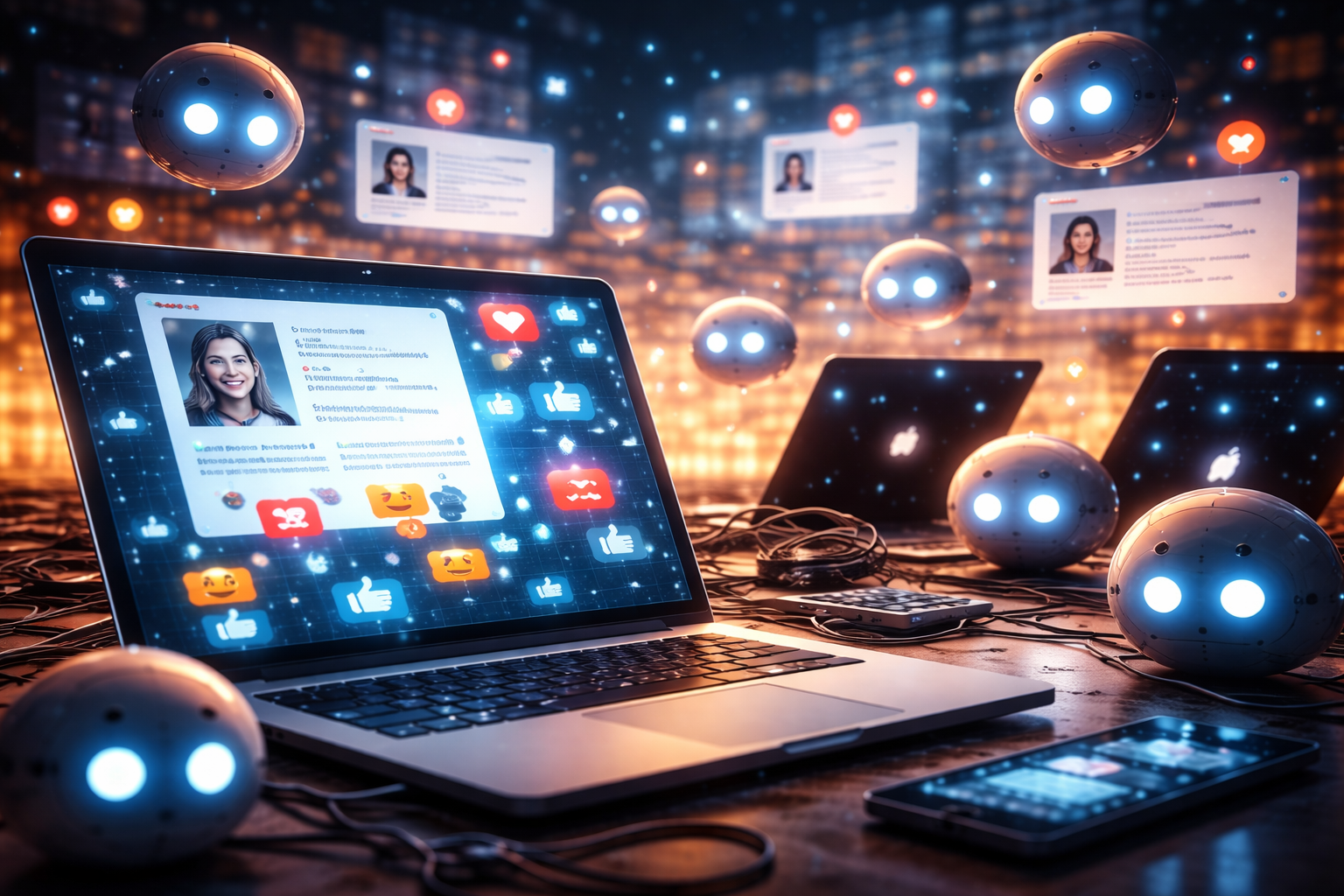
Even spaces that are supposed to reflect spontaneous discussion are no longer immune to this functional use. Some posts are created specifically to lure comments, which are later used to train artificial intelligence systems capable of mimicking human language without possessing understanding or awareness.
In this context, awareness of digital consumption habits becomes a practical necessity rather than a moral discourse. Paying attention to the nature of content, the amount of time devoted to it, and its psychological impact represents a minimum level of self-defense in an environment designed primarily to maximize engagement, not to safeguard the human being.