

Farewell to SWIFT: Is the dollar losing its global grip?



 Messenger
 Whatsapp
 Threads
 Email
Email
 Print
Print
 X
X
 Facebook
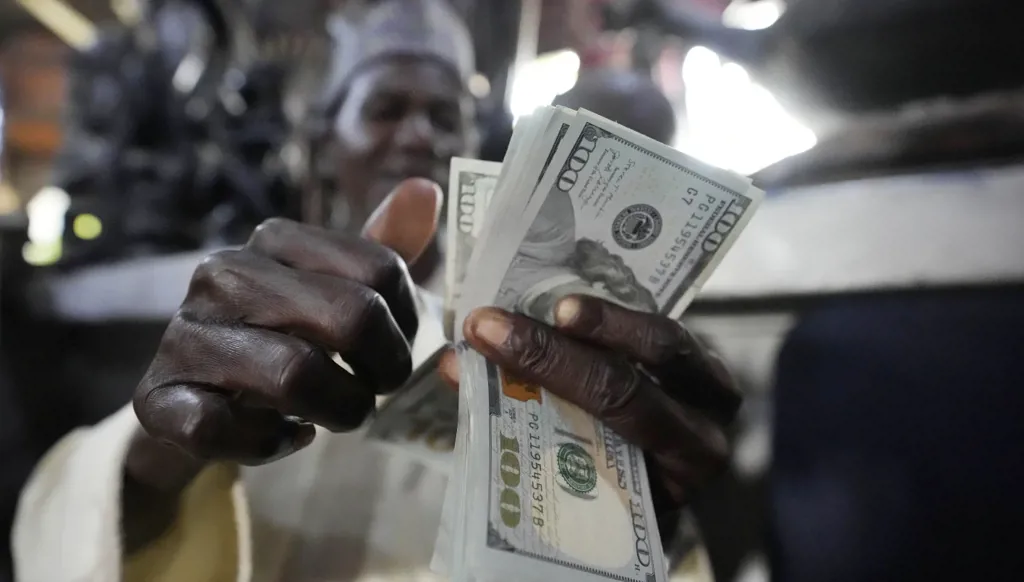


The American eagle swooped down on Caracas and returned with easy prey. But from its latest raid—larger and far more consequential—it came back empty-handed. A few days ago, Brazilian President Luiz Inácio Lula da Silva signed an executive order activating the BRICS Bridge payment system.
The news passed almost unnoticed. American media largely ignored it, despite its extraordinary implications. In effect, it represents a declaration of independence from the U.S.-dominated global payments system known as SWIFT. For the first time in roughly eighty years, major economies are conducting transactions among themselves without routing them through American banks.
Paulo Nogueira Batista Jr., former executive director at the International Monetary Fund, described the move as “the financial equivalent of splitting the atom.” Coming from someone deeply familiar with the system’s inner workings, this is hardly an exaggeration.
The question now is unavoidable: has the American imperial monetary tide finally reached its breaking point?
For more than a century, New York banks have stood as silent witnesses to virtually every financial transaction on the planet—no matter how small, even a morning cup of coffee. Embedded in the architecture of the global economy, these banks extract a toll from every exchange. That era may be ending. And the United States seems unwilling—for now—to acknowledge that it is. The more troubling question is whether Washington itself fully grasps what is happening.
Batista argues that U.S. policymakers are ignoring a painful historical truth: empires begin to collapse when their currency loses its global economic dominance. By that measure, the dollar may be approaching dangerous ground.
Brazil, Russia, China, India, and South Africa can now trade with one another using digital currencies. They bypass the U.S. dollar. They bypass SWIFT. Instead, they rely on blockchain-based systems to complete transactions beyond the reach of the American financial system—and beyond its taxation.
This is no minor development. Over the past five decades, the dollar has been America’s most powerful weapon, and SWIFT the battlefield on which Washington secured its greatest victories. If this shift holds, it signals the beginning of the end of U.S. dominance over the machinery of global finance—an era in which American intervention in the world economy served, above all, Washington’s own priorities.