War of No Exit: U.S., Israel and Iran Trapped by Escalation and Unmet Goals
Both those who launched the war and those targeted by it have become prisoners of the slogans they adopted before the start of military operations


شارك على
 مسنجر
مسنجر
 واتساب
 ثريدز
ثريدز
 بريد إلكتروني
 الطباعة
شارك على


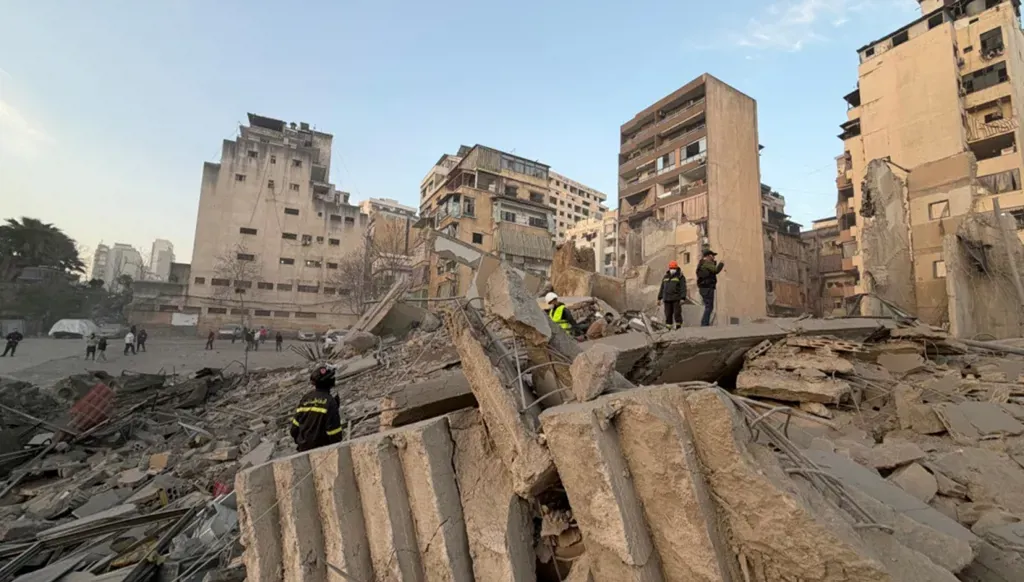


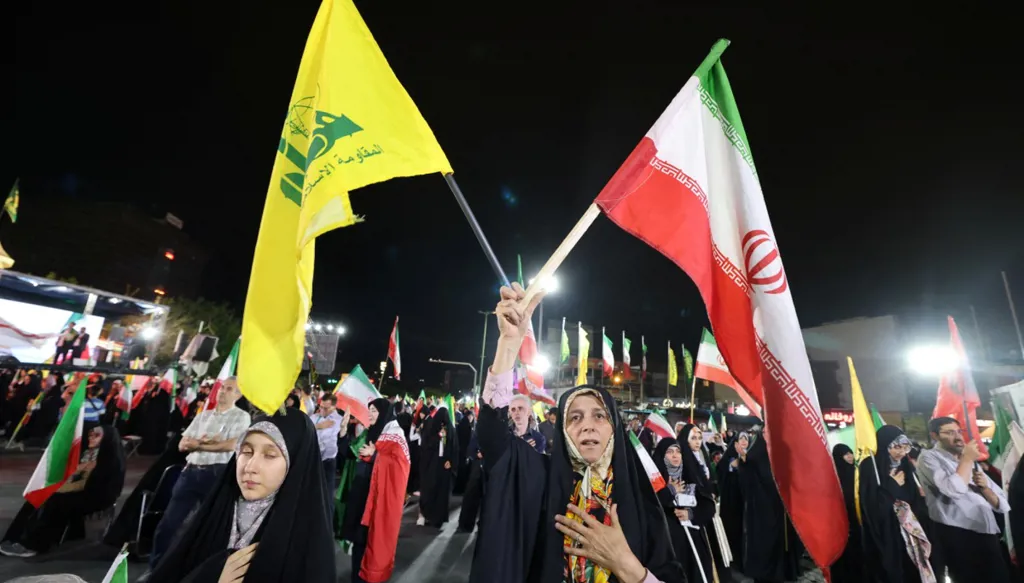
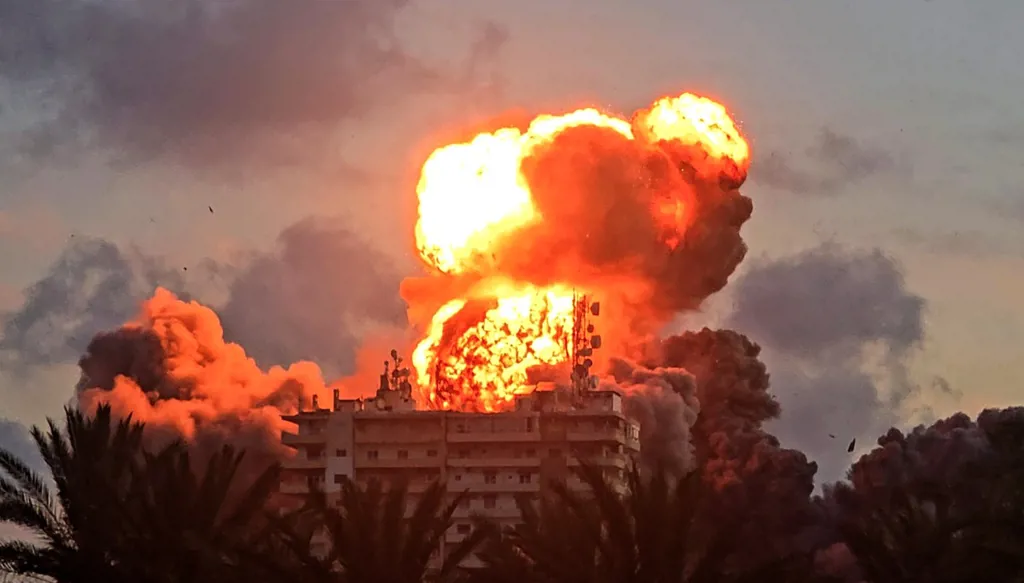
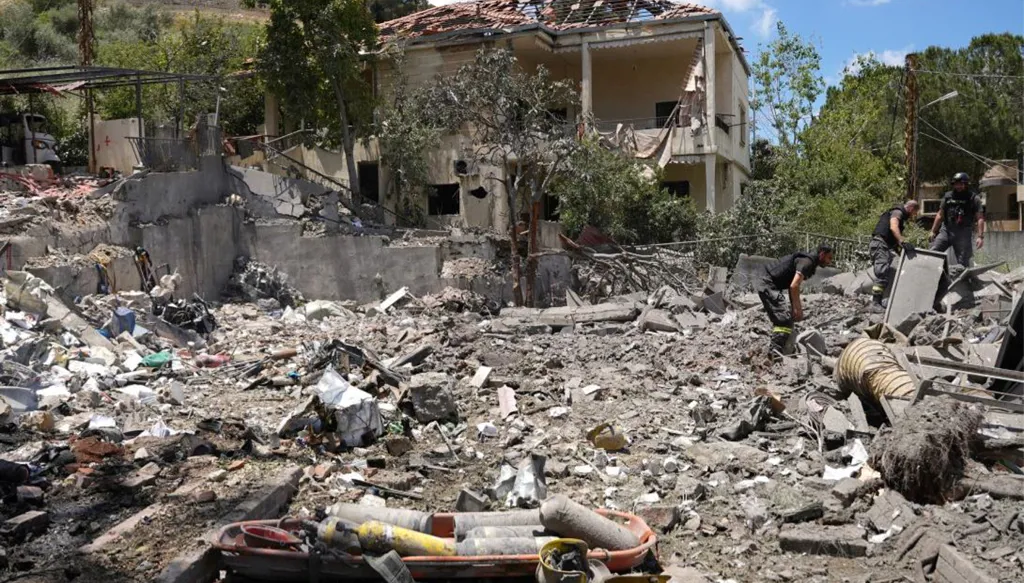
The ongoing war may have reached a place its parties did not expect, and the level of damage has risen to very high limits, with consequences surpassing all expectations. Those who began striking Iran and its vital facilities have become prisoners of their previous statements, or those made during the early days of the conflict, and they can no longer stop it without achieving their goals, or at least half of them. Meanwhile, Iran, which behaved with apparent composure during the Muscat and Geneva negotiations, has realized the magnitude of the disaster. This time, its advanced Machiavellian tactics have failed, and the intended goal does not justify the disproportionate means used. Iran has paid a very high price so far without knowing the ultimate outcomes of the war, both on the battlefield and politically, and the figures of this cost are expected to rise further.
The stated objectives of the war by U.S. President Donald Trump were the necessity of liberating the Iranian people from a regime that committed numerous crimes and atrocities, then destroying the nuclear program that was on the verge of becoming a military and defensive nightmare and halting the development of the growing ballistic missile industry.
As for Israel, the second partner in the war against Iran, its main concern is undermining Iran’s promising military power, particularly its missile capabilities and non-peaceful nuclear program. Its Prime Minister, Benjamin Netanyahu, is focused on achieving a victory over a key strategic competitor in the region, in order to pave the way for his risky expansionist projects. He is expected to benefit from such a victory in his election campaign in the coming months, and he may even be waiting for an opportunity to strike Lebanon and whatever remains of Hezbollah’s arsenal. He was given the perfect pretext to carry out his aggression after rockets were launched from the south into Israel on the second day of the war.

The United States and Israel have failed to win the sympathy of global public opinion, and their aggressive actions have been condemned by traditional adversaries such as China and Russia, while receiving little cooperation from NATO allies, Japan, and South Korea. They have also so far failed to undermine the existing regime in Tehran, despite successfully assassinating some of its top leaders, including the Supreme Leader, Ayatollah Ali Khamenei.
This is almost the first time in the history of U.S. foreign military interventions that Washington appears to be alone on the battlefield, despite repeated requests to allies for assistance. This uncomfortable situation has clear reasons, the most prominent of which may be the Trump administration’s disregard for its “Atlantic” allies and the lack of coordination with them before launching the war on Iran. These allies have the right to be fully informed of the details and objectives of the war, and their role cannot be limited to protecting oil and gas tankers in the Strait of Hormuz, which was closed due to Iranian threats.
It is possible to accept the validity of some analyses that argue Iran did not help prevent the outbreak of war. The harsh and threatening language used by the late Supreme Leader and his team was not appropriate given the sensitivity of the situation, meaning it lacked “brinkmanship diplomacy” or failed to account for the seriousness of the moment. Tehran could have offered certain concessions that might have averted the catastrophe. However, Iran does not bear responsibility for the start of this war. Violations of international law, launching a war without legitimacy, or one that lacked international consensus, are the responsibility of the U.S. administration and Israel. The severity of Iran’s negotiating stance does not justify initiating such a war in the first place. Many of Washington’s allies adopt this view, and its adversaries express it as well. Washington ignored the United Nations Security Council and most of the world’s influential powers, even though it could have pursued legal and diplomatic measures to curb Iran’s nuclear ambitions, prevent it from advancing its ballistic missile development, and limit its ability to supply its allies or “proxies” with money and weapons.
It is certain that Washington and Tel Aviv have undisclosed strategic objectives they aim to achieve through this brutal war. Chief among them is likely the establishment of absolute dominance over the Arab region, given its strategic geographic location and energy resources. Such unilateral control would threaten the security of Southern Europe, contain China’s Belt and Road initiative, and advance declared religious ambitions, even if these ambitions are based on fragile mythological assumptions.
Both those who launched the war and those targeted by it have become prisoners of the slogans they adopted before the start of military operations.
Disclaimer: The opinions expressed by the writers are their own and do not necessarily represent the views of Annahar

العلامات الدالة
الأكثر قراءة