Where is Iran Headed?



شارك على
 مسنجر
مسنجر
 واتساب
 ثريدز
ثريدز
 بريد إلكتروني
 الطباعة
شارك على




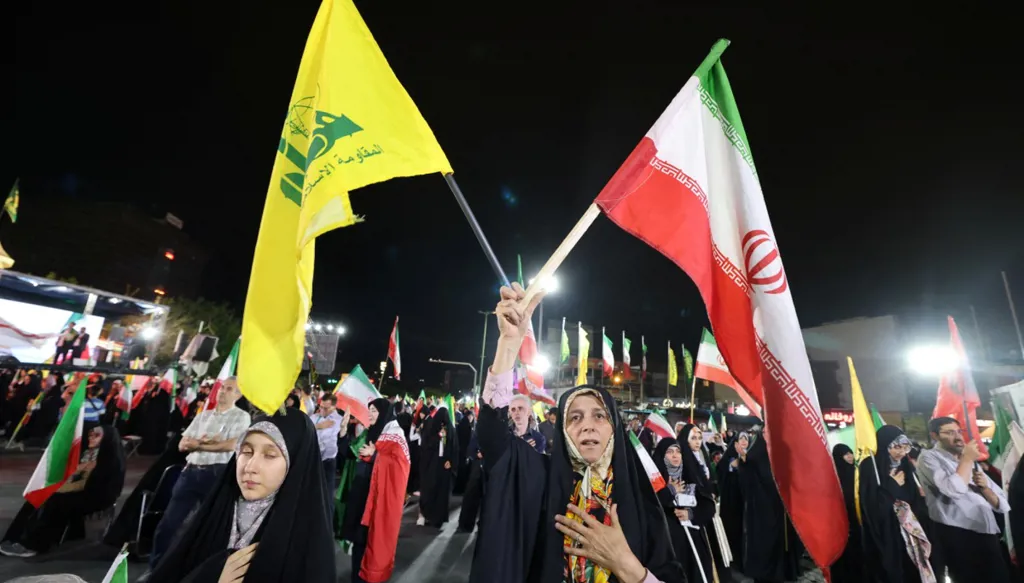
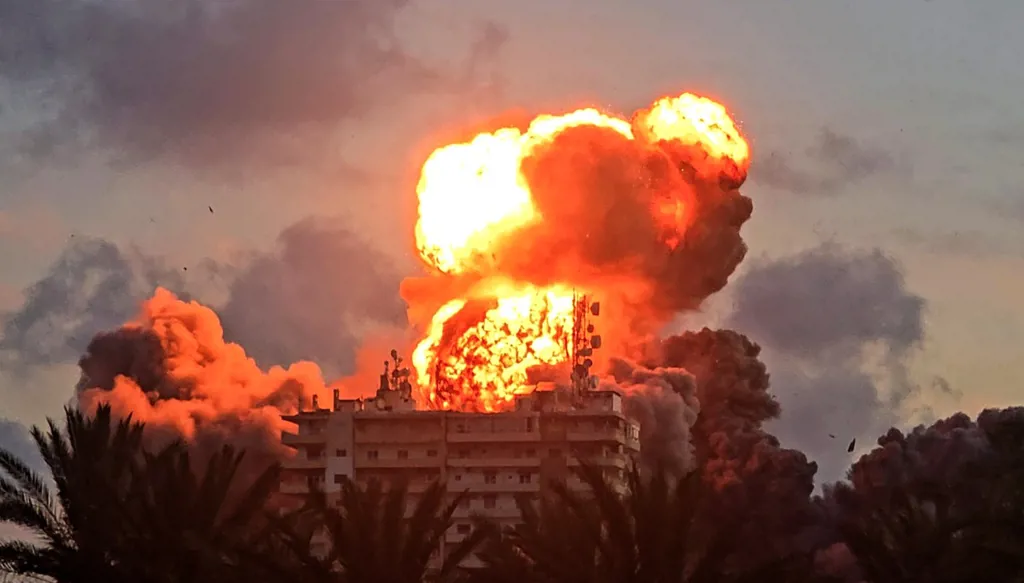
Iran is today entering a pivotal phase in its political history, amidst an open war led by the United States and Israel against it, which is a confrontation intertwined with military, economic, and political pressures, raising an increasing question: Where is the Iranian regime heading amid these rapid changes?
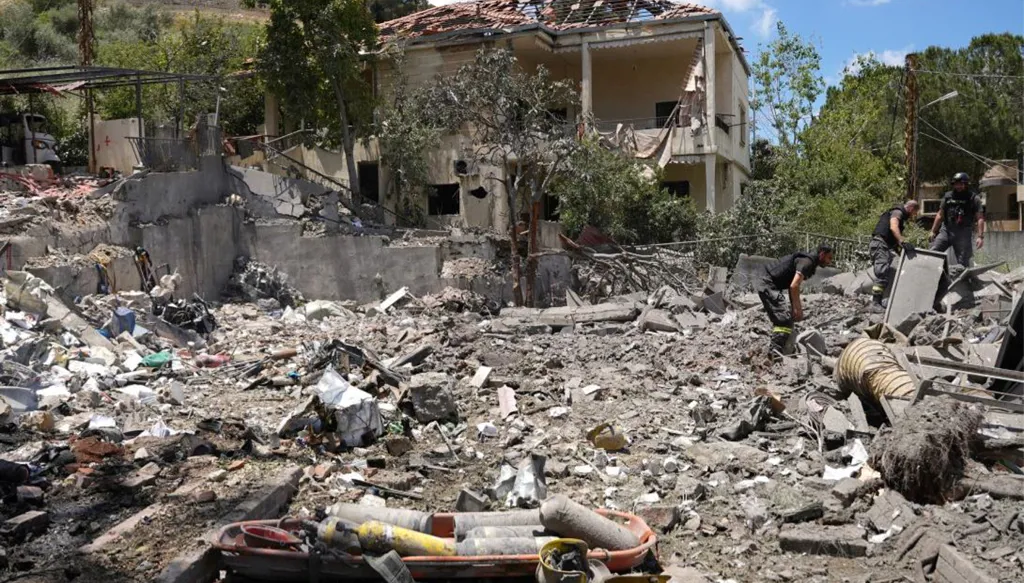
Recent developments indicate that the region has entered a different phase of conflict, where skirmishes are no longer just tensions or limited operations, but have become a real test of the Iranian regime's ability to continue managing cumulative crises. With the expansion of the confrontation sphere, it has become clear that the costs of these policies are not borne by Iran alone, but their effects extend to neighboring countries, which find themselves forced to defend their security and economic stability.
Iran has tried in the past years to build wide regional influence using various tools, including missiles and drones, in addition to supplying militias in different Arab countries with these capabilities. However, recent events have revealed that this strategy is facing significant challenges today, especially when it collides with advanced defense systems and determined political will from the targeted countries. Some Gulf states, led by the UAE, have managed to intercept the vast majority of missiles and drones targeting their territories, which limited the ability of those attacks to achieve their military or economic goals.
It seems that Iran tried by striking neighboring countries to pressure them to, in turn, exert pressure on the United States, in an attempt to mitigate the confrontation. However, this reading was mistaken regarding the true situation in the region, as many of these countries were initially seeking to prevent the expansion of the war, and work on containing the tension through understanding and dialogue instead of slipping into confrontation. Yet their direct targeting left a deep wound in relationships that were meant to remain far from the logic of force and conflict.
Alongside the military confrontation, a potential international legal path looms that may add a new dimension to the crisis. The countries that have suffered damage as a result of these attacks have the right to demand compensation for economic losses and infrastructure damages, by resorting to specialized international courts. Such steps may mean that the consequences of the war will not stop at the military confrontation but may extend for many years of legal and economic claims.
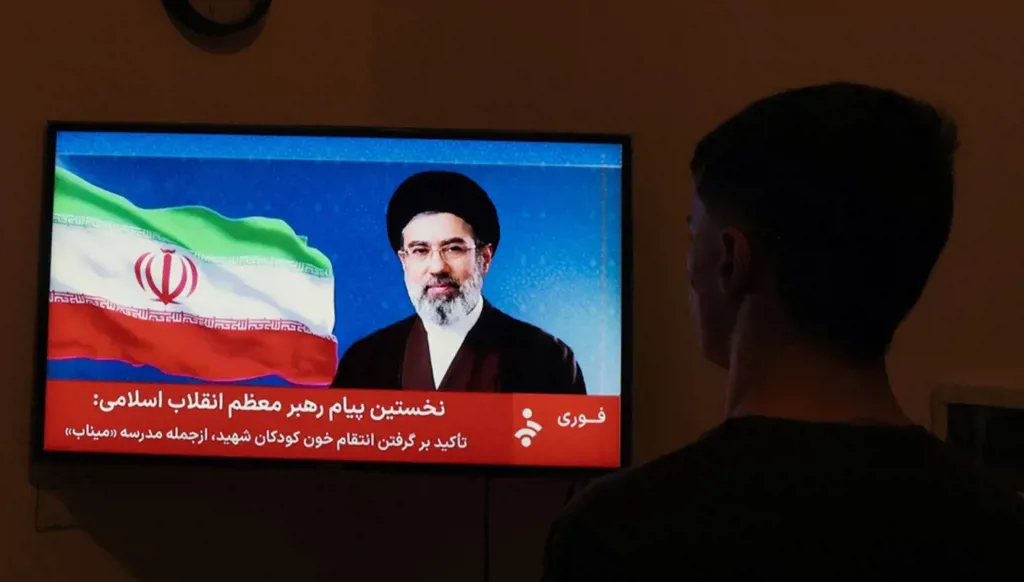
Within Iran, there is a noticeable contradiction in statements issued by some officials. While the government tries to send calming messages through diplomatic channels, military entities like the Revolutionary Guard issue more stringent and escalatory positions. This disparity reflects the nature of the Iranian system, which is based on multiple decision centers, but it may also indicate the magnitude of pressures it faces amid the war, increasing economic repercussions, and possibly the beginning of cracks within the system.
Wars are not only measured by what happens on the battlefields but also by the long-term impacts they leave on the relations between countries and peoples. The tension and animosity the Iranian regime sows today with its neighbors may leave deep marks in the political memory of the region, as the trust that is dismantled requires many years to rebuild.
This path's end may not be near, as major conflicts often extend before reaching a turning point. But current indicators suggest that Iran might be facing a phase of profound change within its own borders and in its regional stance. Countries that cause losses to their neighbors and destabilize the region eventually find themselves having to pay the price for those policies politically and economically.
Today, there seems to be an urgent need for wise voices to emerge within Iran, voices that realize that the country's future cannot be built on perpetual conflict with its surroundings. Saving Iran from a path of constant confrontation might be the responsibility of the political elites who recognize that stability in the region is not an optional choice but a fundamental condition for the prosperity of all its peoples.
History proves that states choosing the path of perpetual tension with their neighbors may win temporary battles, but ultimately lose the future. The open question today remains: Do the decision-makers in Tehran realize this truth before it is too late?

العلامات الدالة
الأكثر قراءة