Iran's 'Promised' War on the Gulf


شارك على
 مسنجر
مسنجر
 واتساب
 ثريدز
ثريدز
 بريد إلكتروني
 الطباعة
شارك على


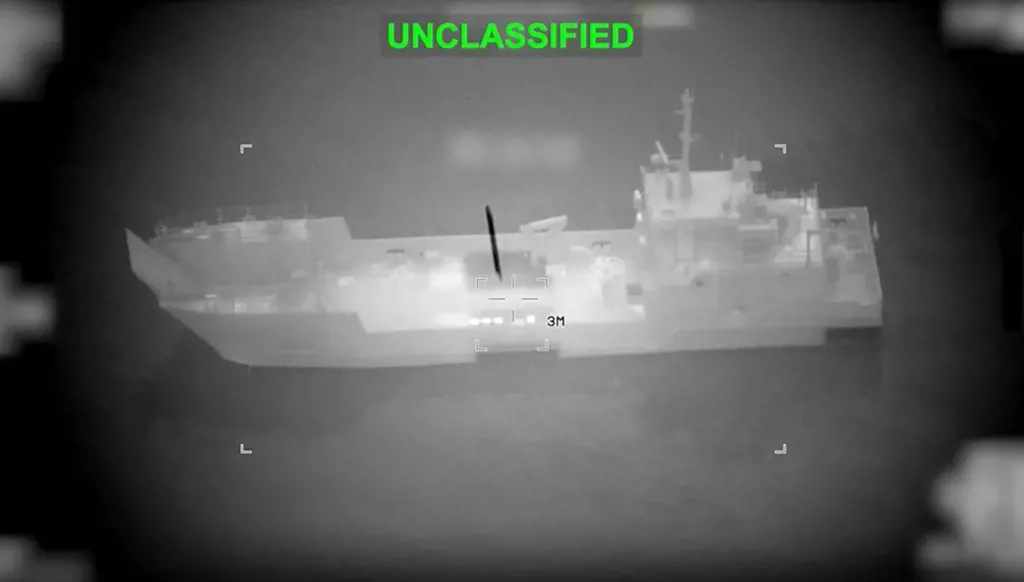


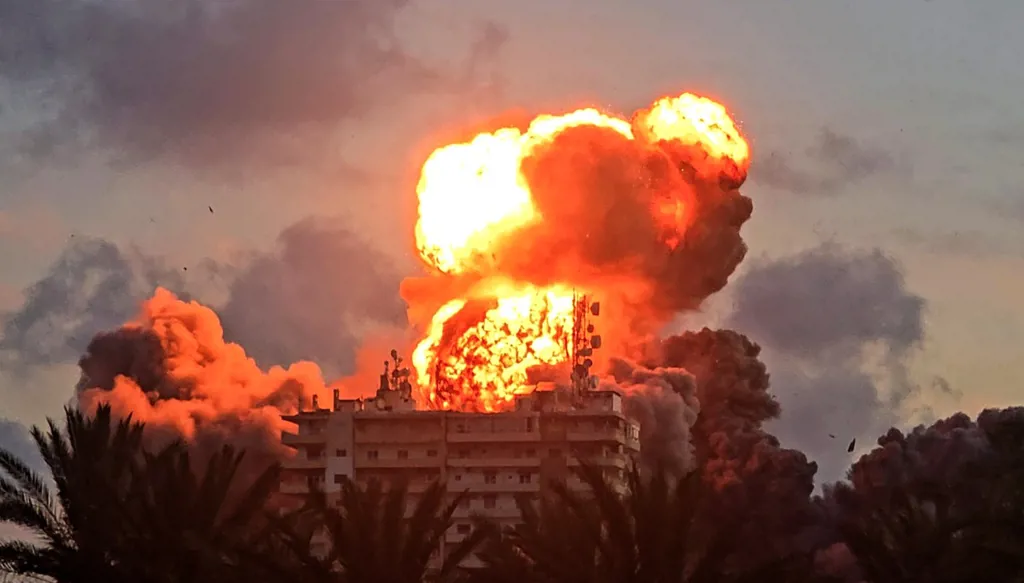
Iran has launched a "war" on all Gulf states. The event can only be described as such. It is a comprehensive "war" initiated unilaterally, with no regard for the bluntness of this behavior or the catastrophic damages it causes. Iran has placed the Gulf Cooperation Council under the microscope of its target, directing its ballistic missiles and advanced drones towards it, prompting retaliation by war.
Tehran reminds those who have forgotten that Iran is an enemy and cannot be a brother or friend to the region's countries. The region has known something of this in the geostrategic nature of this giant state in geography, demography, and the weight of history in bygone eras. But Iran announced since the establishment of its Islamic republic that its existence and justification are based on opposition to neighboring states. It excelled in this, maintaining complex relations with the Arab world, which remained difficult and tense with the "Arab" Gulf states.
Iran insisted the Gulf be "Persian." It defended its national character, raising a storm in international forums to strip the Arab identity from the Gulf and its maps. When Khomeini suggested bypassing this debate by naming the Gulf "Islamic" (neither Arab nor Persian), he himself dismissed the suggestion, with Iran always expressing itself as another entity, resistant to assimilation, standing on equal footing with all the region’s states.
Iran's relations with Egypt deteriorated from the early days of the Khomeini era. Relationships with all moderate states in the region also worsened. Relations with Morocco and Tunisia were cut off, its diplomats expelled from Algeria and Sudan, and its relations complicated with Jordan and most Gulf states. Tehran preferred to support militias due to their role in fracturing the region's countries and deepening and inventing their divisions. Then it took pride in dominating four Arab capitals.
In recent days, Iran reminds Saudi Arabia, the UAE, as well as Kuwait, Bahrain, even Qatar, and Oman that it is an enemy. Those countries had raised a ceiling in 1981 under which they coexisted when they established the Gulf Cooperation Council as a regional organization; outwardly an arrangement for the Gulf house within the Arab loop, inwardly building a shield in politics, security, economy, and culture to ward off the evils that the Wilayat al-Faqih state made no effort to hide.
Regional countries tried to believe in the possibility of peaceful coexistence with a regime that promised since the overthrow of the Shah to export the revolution to sweep the world starting from Gulf states. Over the last four decades, these countries experienced various workshops to destabilize them and threaten their security. In recent months, Gulf states attempted to prevent the anticipated war and avert an overflowing disaster from Iran on the region. Yet Iran met that endeavor with the war it eagerly desires, unabashedly and without hesitation, promising such overflow.
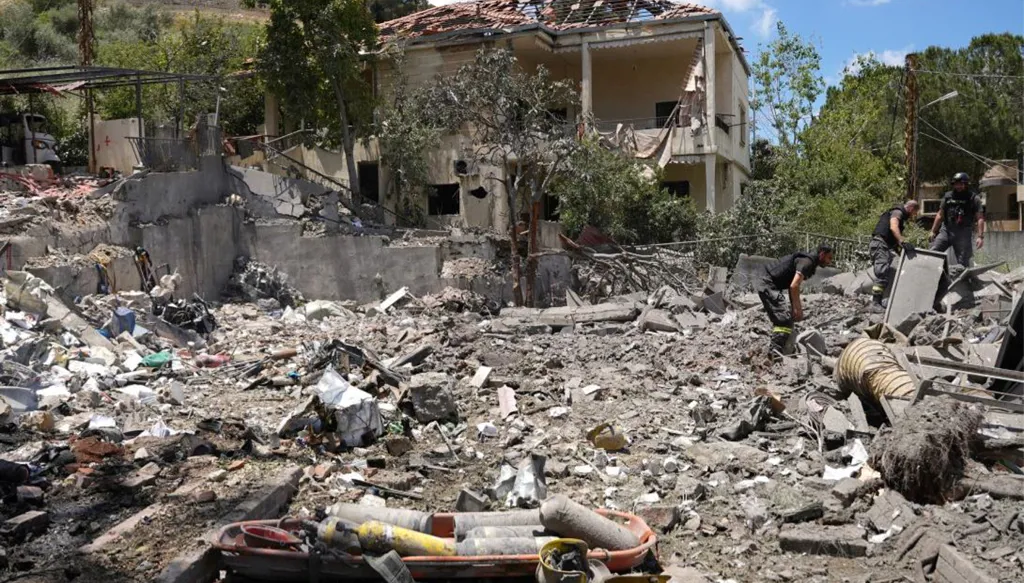
President Sheikh Mohamed bin Zayed's words a few days ago were clear in their meanings and messages. Iran involved his country in a battle it had nothing to do with. Tehran worked on using the country and all "council" countries as venues for pressure and a mail terminal for sending its messages, perhaps something to stop the war, even if the UAE and Gulf states paid prices in blood and destruction. The region seemed shocked at the depth Iran reached with malicious, hateful malevolence.
Sheikh Mohamed said to the "enemy": "The UAE's skin is thick and its flesh is bitter." This expression revealed collective Gulf transformations promising a new positioning towards what surpasses the conceivable to certainty and reality concerning the real and impending threat Iran poses to the six countries. In a moment of collective danger and a sense of the necessity of unity and coordination, regional states overcame differences almost reaching division level.
Iran is waging a war on the Gulf it promised decades ago. The hands of time will not turn back. Regional relations with Iran will not return to the acceptable level they once were. Iran attacked. Then its president apologized before being censured by its "Guard," resuming the premeditated assault on its neighbors. The region has changed and must now reassess its global relations in defense of the "bitter skin and flesh of the Gulf."

العلامات الدالة
الأكثر قراءة