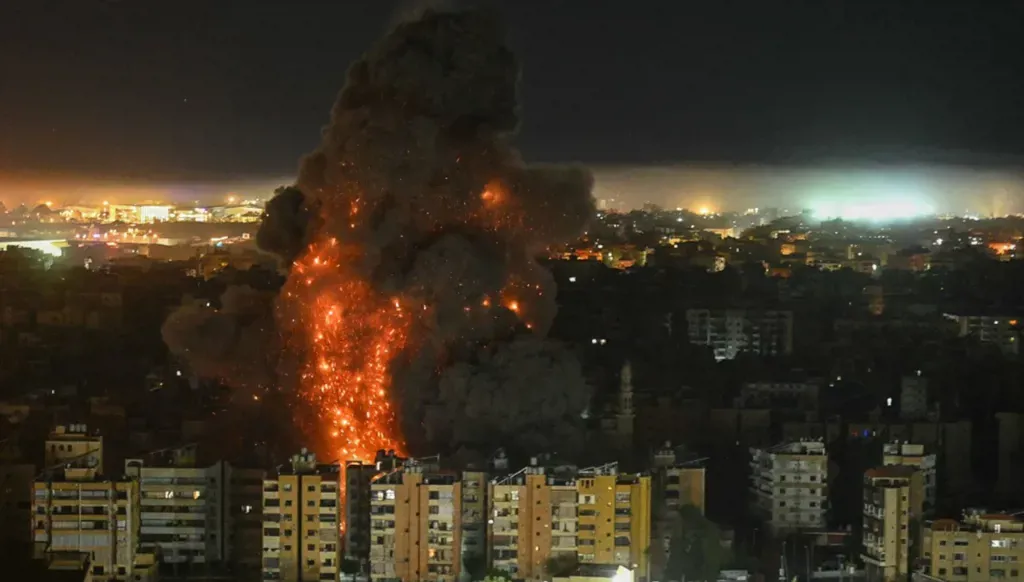
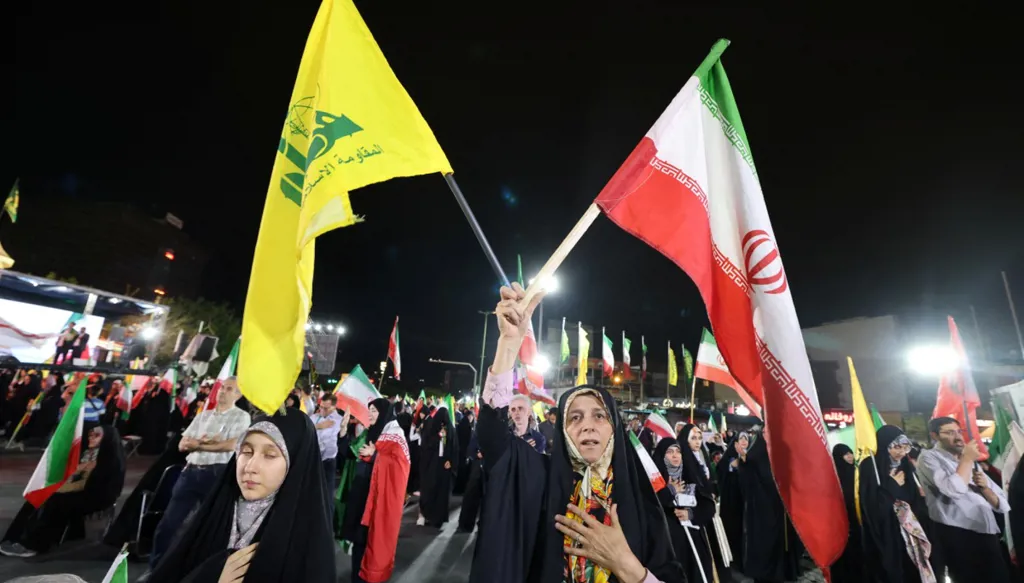
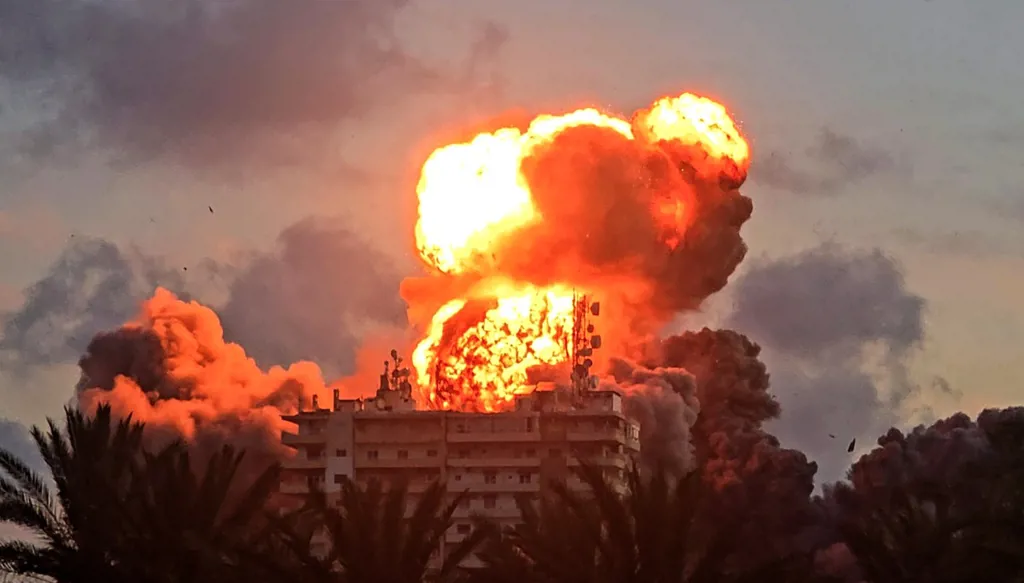
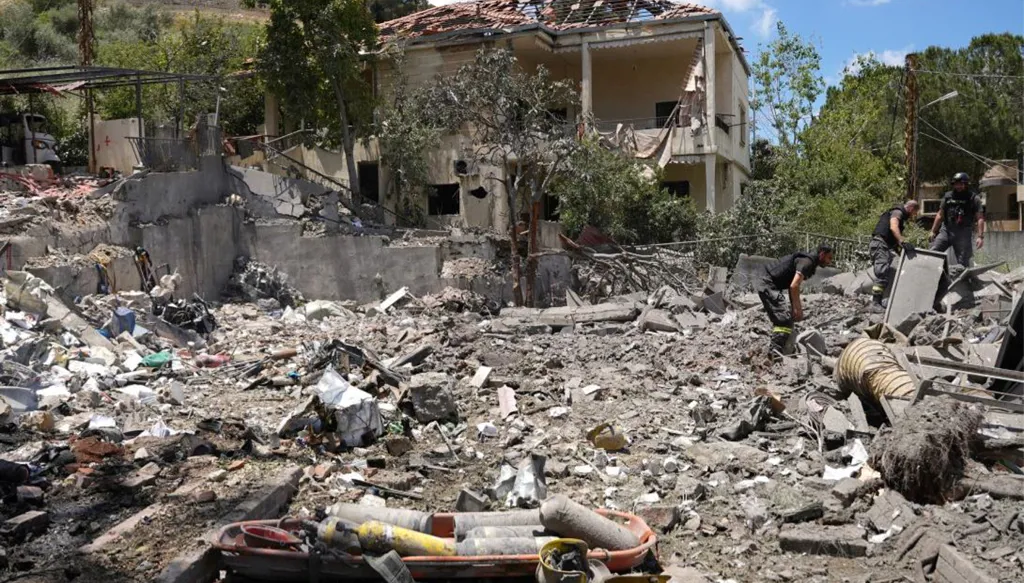
Despite U.S. President Donald Trump frequently emphasizing that the war on Iran would be a “short-term mission,” there remains concern that the conflict could prolong, since starting wars is often far easier than bringing them to an end.
Since the end of World War II in 1945, the world has seen many wars, but as soon as one war stops, another begins.
The Vietnam War, which lasted twenty years, remains one of the most difficult and harshest wars in modern history. There was also the Six-Day War in 1967 between the Arab states and Israel, as well as the Yom Kippur War of 1973 between Egypt and Syria on one side and Israel on the other, which lasted 19 days. The Iran–Iraq War stands as one of the longest conventional wars of the twentieth century, lasting eight years.
Then came the Gulf War, which lasted seven months after the Iraqi army invaded Kuwait on August 2, 1990, ending with the liberation of Kuwait in February 1991.
The Afghan War remains among the longest, extending for about twenty years, beginning after the September 11, 2001 attacks in New York, when the United States led a war against the Taliban. This was followed by the United States and its allies invading Iraq in 2003. Not to forget the Soviet–Afghan War (1979–1989).
Currently, the Russian–Ukrainian war continues to this day, having started on February 24, 2022. Civil wars also constitute a major share of this ongoing human violence, which is difficult to detail within this limited space.
Today marks the thirteenth day of the war on Iran. President Trump said a few days ago in an interview with the American network "CBS" that he believes this war has "largely ended," citing indicators of its end: "They have no naval fleet, no communications, no air force. Their missiles are scattered, and their drones are being destroyed everywhere." He continued: "Even in their factories, if you look, you will find they have nothing. They are left with nothing in the military sense."
An important point mentioned by Trump deserves attention: military operations are progressing faster than the expected timeline. Despite this, the world remains uncertain about when the war will end, especially given Tehran’s insistence on continuing the fight to the last breath and its pursuit of attacks on Gulf states in a desperate attempt to persuade Trump to retreat from the war against it.
Trump has gone as far as threatening Tehran with a response “twenty times harder” than what it has faced so far if Iran attempts to stop the flow of oil through the Strait of Hormuz, the strategic waterway through which about 20 % of the world’s oil shipments transit — a move he has described as a red line for the United States.
While the language of challenge prevails in this fierce war, the outcome may be the ruin of the region due to Iran potentially adopting a “scorched earth policy.”
German philosopher Immanuel Kant (1724–1804) rejected the idea of perpetual war, advocating for the establishment of lasting peace between states through international law. In his book Perpetual Peace, he argued that humanity should strive toward a global system that prevents wars. However, the concept of war has evolved along with its mechanisms; Kant’s era is not Trump’s era. Kant aspired to a world free from war, whereas Trump engages in war as a means to advance a position aligned with the “America First” slogan. In Kant’s time, there were no nuclear weapons, stealth aircraft, or Iron Domes, among other lethal technologies.
The American war on Iran may seem justified; there is no doubt that since the fall of the Shah's regime in 1979, Tehran has worked toward the region’s ruin and destabilization, inadvertently serving the American and Israeli strategy due to its desire to expand its influence in regional countries, from Lebanon to Yemen through Iraq and Syria.
War emerges as a tool for political practice through violence; it is a continuation of policy by other means, as Prussian military thinker Carl von Clausewitz expressed, meaning it is not a random act but a method states resort to when diplomatic efforts fail.
Wars can sometimes, as noted by German philosopher Hegel, be part of the movement of history and the evolution of nations, revealing the power of states and reshaping the international order. Yet, they remain, unquestionably, a human tragedy.
Although the war on Iran is an urgent necessity due to the prevailing political recklessness and ambition in the region, it is not surprising that voices criticize the war from a purely moral standpoint, disregarding the repercussions of this ambition.
There is a conviction that in wars, everyone loses even if there is a winner and a loser, as returning combatants to the pre‑war normal situation may require many decades to recover from its bitter consequences. But in the current conflict, Iran remains the biggest loser.
Disclaimer: The opinions expressed by the writers are their own and do not necessarily represent the views of Annahar.



 مسنجر
مسنجر
 واتساب
 ثريدز
ثريدز
 بريد إلكتروني
 الطباعة