Iraq increasingly moves toward US
Iraqi diplomacy is not guided by foreign policy strategies. It is shaped by local parties and the developments of their respective regional patrons. The fall of Assad and weakening of Khamenei increase the influence of pro-US factions.


شارك على
 مسنجر
مسنجر
 واتساب
 ثريدز
ثريدز
 بريد إلكتروني
 الطباعة
شارك على


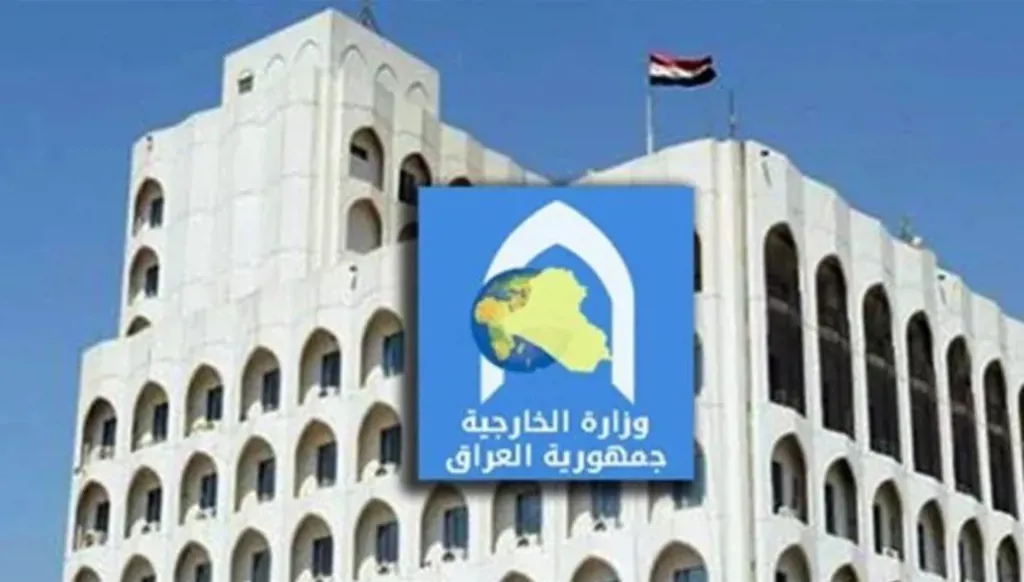


Iraq’s foreign policy is driven by internal conflicts among divided elites, rival militias, and a state unable to unify its decision-making. How do these divisions affect Iraq’s ability to balance U.S. and Iranian influence? Can a “principle of good-neighborliness” ease regional tensions? And how can Iraq turn regional investments and partnerships into tangible stability? The solutions to these challenges lie in strengthening state institutions, limiting the influence of uncontrolled militias, improving governance, and leveraging regional partnerships to address economic and security crises while building a unified and consistent foreign policy.
Building on this, Iraq is attempting a delicate balancing act, aiming to expand its regional ties while maintaining disciplined relations with both the United States and the Islamic Republic of Iran. However, these well-intentioned efforts are still overshadowed by the aftermath of the November 2025 elections and ongoing government formation negotiations.
The central question remains: how can Iraq reconcile its security and economic interests with its foreign relations toward regional and international partners? An American researcher suggests that Iraq’s internal divisions and governance challenges are the main drivers of its foreign policy, whether through deliberate actions or reactive measures.
Put differently, Iraqi diplomacy is not driven by coherent foreign policy strategies; rather, it is shaped and often undermined by the rivalry and conflicts among political actors within Iraq and by the interests of other countries outside it. In an attempt to balance these pressures, Iraq has chosen to adopt what is referred to as the “principle of good-neighborliness” in its foreign relations. This approach aims to diversify Iraq’s economic and security ties in the region, reduce regional tensions, balance the interests of competing powers, and prevent external interference. It is important to note, however, that this principle is descriptive rather than an official policy adopted by the Iraqi government.
Although these efforts are not new, Iraq has sought since 2003 to maintain a continuous balance in its relations with both the United States and the Islamic Republic of Iran, aiming to reduce regional escalation, balance the interests of competing powers, and prevent foreign intervention. The regional outreach led by Iraqi Prime Minister Mohammed Shia' Al Sudani, through building new economic and security relationships with Gulf countries, reflects an evolution in how Iraq seeks to reposition itself regionally. Nevertheless, the differing interests of political elites regarding the balance between the United States and Iran continue to influence—and sometimes even threaten—Iraq’s foreign policy objectives when they conflict with internal priorities.
How do internal divisions shape Iraq’s foreign policy? One of the main challenges draining the efforts of the Iraqi government is the rivalry among local political and military groups.
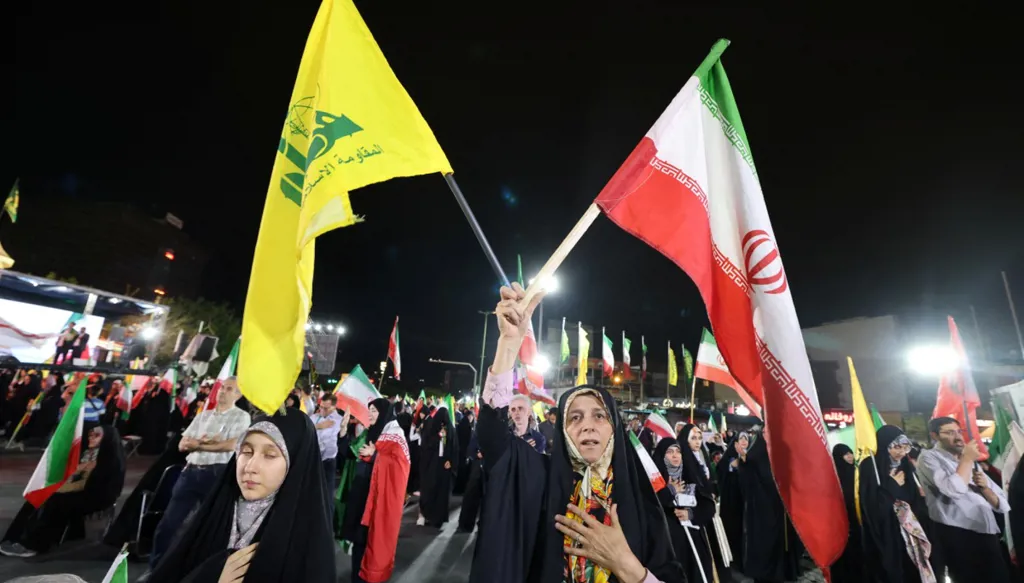
Although competition among political parties and the fluctuating relationship between the Kurdistan Region and the federal government are among the most prominent elements of Iraq’s current political landscape, the most pressing challenge remains the armed militias stationed on Iraqi soil, particularly those aligned with Iran. These militias influence Iraq’s relations with the United States and neighboring countries. Many of them, such as Kata'ib Hezbollah, the Badr Organization, and Asa'ib Ahl al-Haq, wield significant political power, either formally through parliamentary representation or through parallel channels.
These challenges not only hinder Iraq’s ability to build deep relations with the United States and regional states, but also make it more difficult to establish the trust necessary for security cooperation and for attracting investments—both of which the state relies on to avoid international sanctions. They also exacerbate the fragility of Iraq’s already weak economy. In response, the Iraqi government has sought to lay the foundations for stability and reduce potential threats, particularly following the major defeat of ISIS in Iraq. Consequently, the government called for ending the operations of the U.S.-led international coalition within Iraq, arguing that there is no longer a need for a separate operation requiring American forces on Iraqi territory. This led to the launch of a 2024 process aimed at ending the coalition’s presence in parallel with negotiations on a new bilateral security framework.
It was clear that Iraq hoped that reducing the U.S. military presence would strip Iran-aligned militias of one of their key justifications, thereby lowering the level of risks Iraq might face from potential U.S. responses to these militias’ attacks. While the Iraqi government seeks to strengthen its relationship with the United States and maintain balance, Iran-aligned groups continue to protect their own interests, obstructing these efforts for both internal and ideological reasons.
In this context, Iraq’s perspective on the U.S. presence has shifted noticeably since the fall of the Assad regime in Syria. The militias have lost negotiating leverage and tend to adopt a pragmatic approach toward dealing with the United States. This shift was evident during the December 2025 meeting between Nouri al-Maliki, leader of the State of Law Coalition, and Joshua Harris, the Acting U.S. Ambassador to Iraq. Al-Maliki emphasized the commitment of the Coordination Framework to good governance and highlighted the importance of economic relations between Iraq and the United States.
Disclaimer: The opinions expressed by the writers are their own and do not necessarily represent the views of Annahar.

العلامات الدالة
الأكثر قراءة