Hezbollah’s strategic ambiguity may collapse in Geneva
Hezbollah's messaging is a balancing act catering to domestic and international audiences. How might their rhetoric change if the talks in Geneva fail?



شارك على
 مسنجر
مسنجر
 واتساب
 ثريدز
ثريدز
 بريد إلكتروني
 الطباعة
شارك على


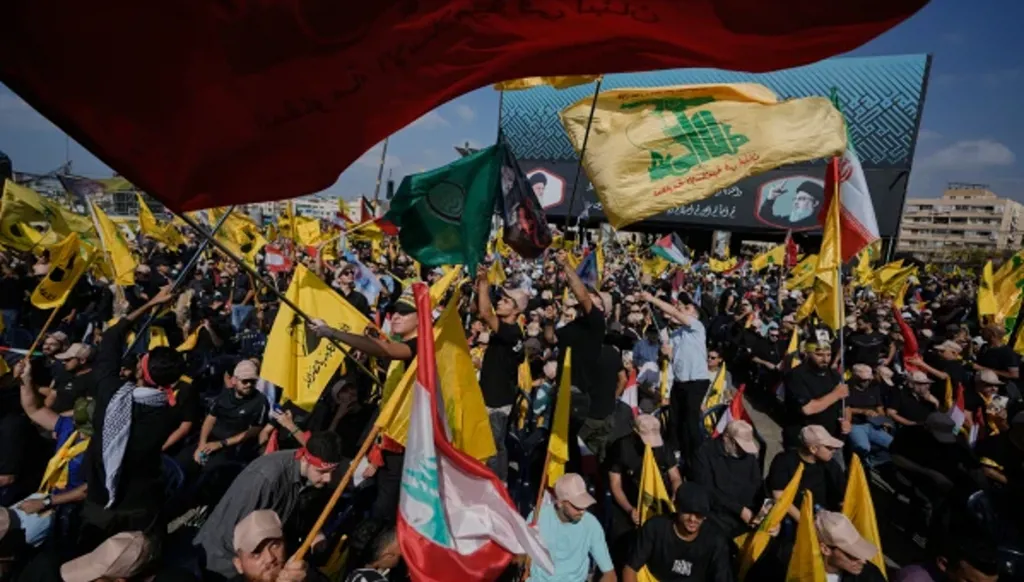


In his statements, Naim Qassem left room for interpretation, suggesting that the party would not make a definitive decision about launching missiles and drones against Israel. This is also a helpful cover for internal party uncertainty. Many are aware of the risks of participating in another war, but the most enthusiastic supporters of the Iranian regime need assurances, especially if the Americans were to threaten the life of their religious authority, Ali Khamenei.
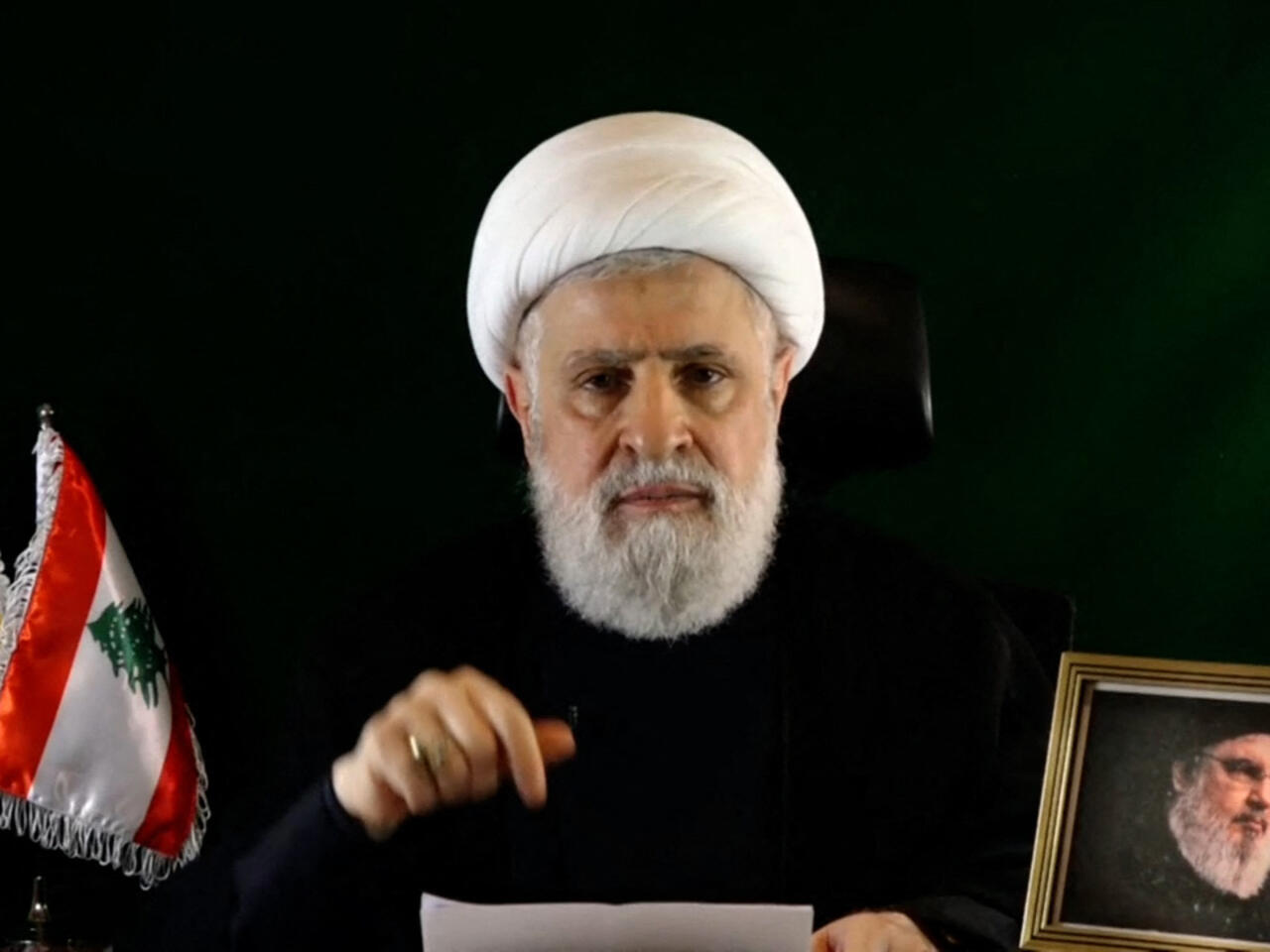
A party leader confirms that he is comfortable with this lack of clarity and that the goal is not to “reassure Israel or anyone else.” He adds that if Iran were attacked this time, “we do not believe [the war] would remain within the Iranian borders.” Nonetheless, we should not expect a statement beyond, the normal denials: “We have nothing to do with what is happening between Tehran and Washington.”
Some believe the party should not intervene regardless of American bellicosity and disregard for state sovereignty. Benjamin Netanyahu has made his intentions for the Shiite axis clear, saying that combatting them requires building a new axis, which indicates a plan targeting Sunni countries.
In an analysis of the negotiations between the U.S. and Iran, military expert Elias Farhat told Annahar that “there are troop concentrations in several countries surrounding Iran, and Tehran has taken a number of measures, including closing nuclear access points in Isfahan. The U.S. military leadership cannot act against all these forces without carrying out a military operation, and if it withdraws, it would be a setback for them.”
He adds, “There is debate in Lebanon over whether Hezbollah will participate or not.” Farhat did not rule out the possibility that Israel might launch a preemptive attack against Hezbollah on targets in northern Litani and the Bekaa Valley. “The party will not start the war—Israel will—but everyone here is watching Hezbollah’s response if a large-scale attack occurs. This type of attack began three days ago in Bekaa towns.” Farhat believes that Hezbollah “will be in a defensive posture to respond to the expected Israeli preemptive strike, which is likely to occur once the U.S. begins a war on Iran.”
Amid the intense monitoring of the ongoing negotiations in Geneva, a source asks: “What about Lebanon?” The source wants Lebanon to be at the heart of these communications, stressing that “there is no benefit in the party intervening if this war breaks out.” He bases this on lessons from Gaza, which did not serve the interests of either the party or Lebanon, and resulted in the destruction of dozens of villages in the south, long-term occupation, and widespread displacement.
Disclaimer: The opinions expressed by the writers are their own and do not necessarily represent the views of Annahar.

العلامات الدالة
الأكثر قراءة