Anne-Claire Legendre: The new face of France's Arab World Institute
From experienced diplomat to cultural bridge-builder, Legendre takes the reins of Paris’ iconic Arab World Institute, poised to strengthen French-Arab ties in a rapidly changing world.


شارك على
 مسنجر
مسنجر
 واتساب
 ثريدز
ثريدز
 بريد إلكتروني
 الطباعة
شارك على


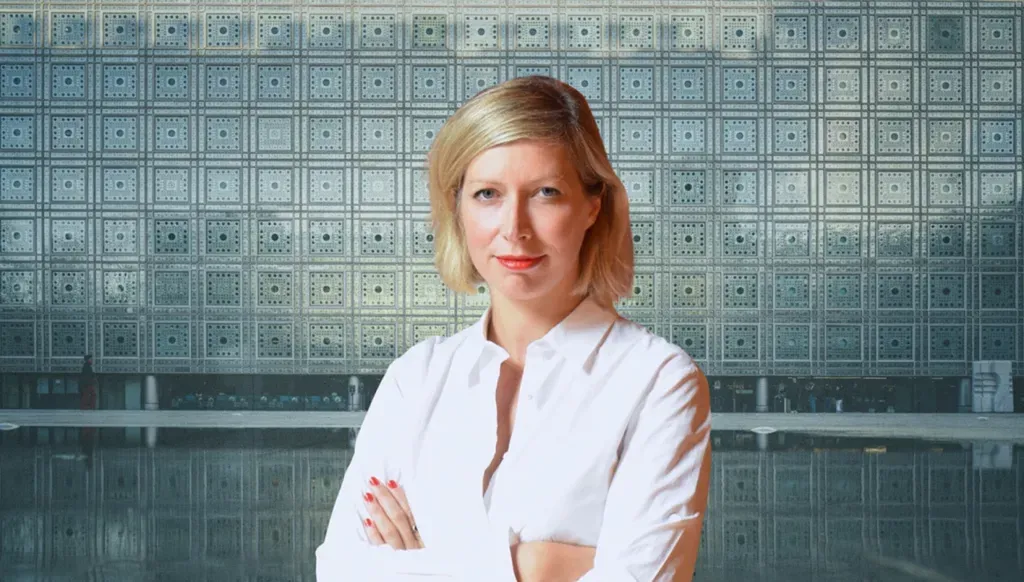


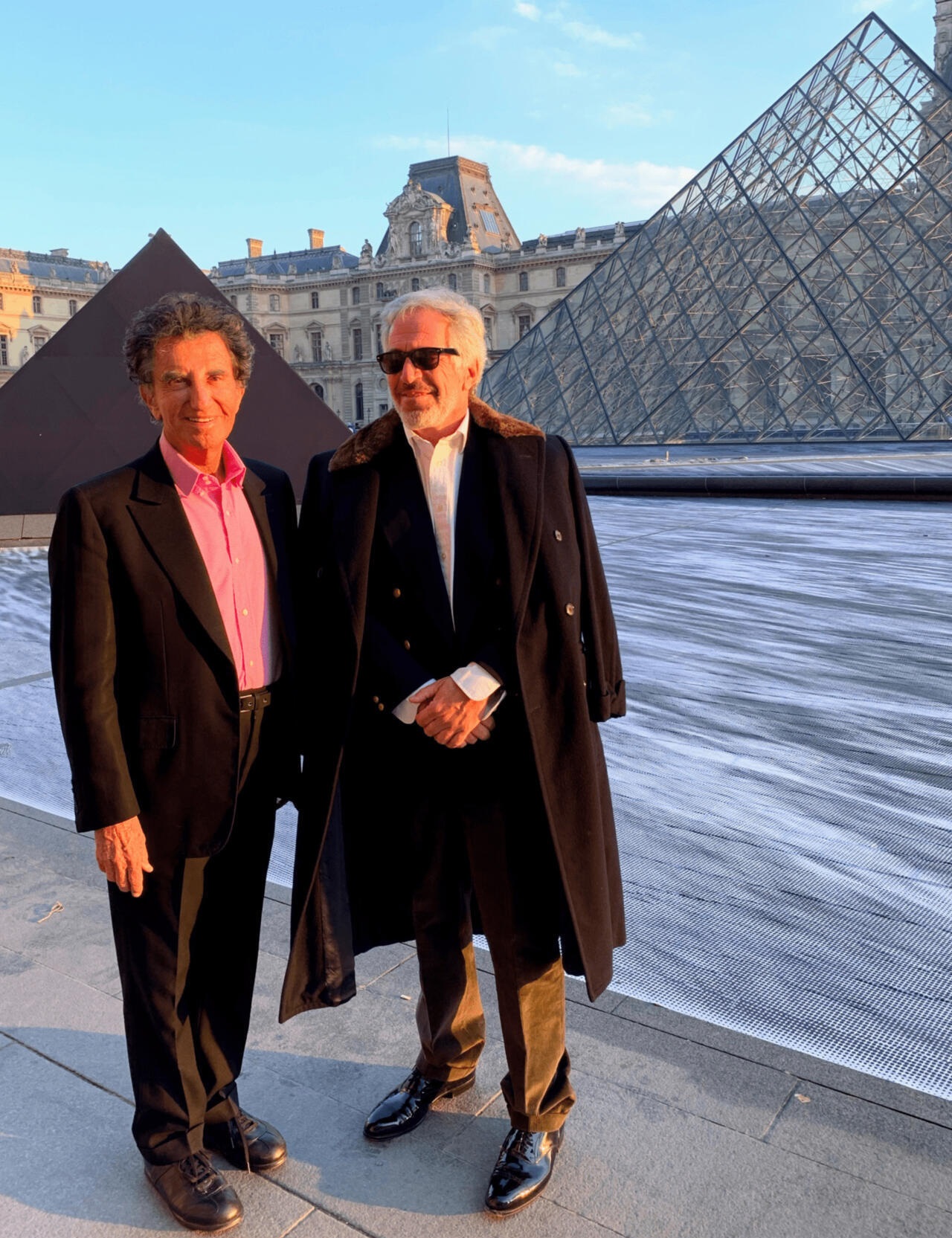
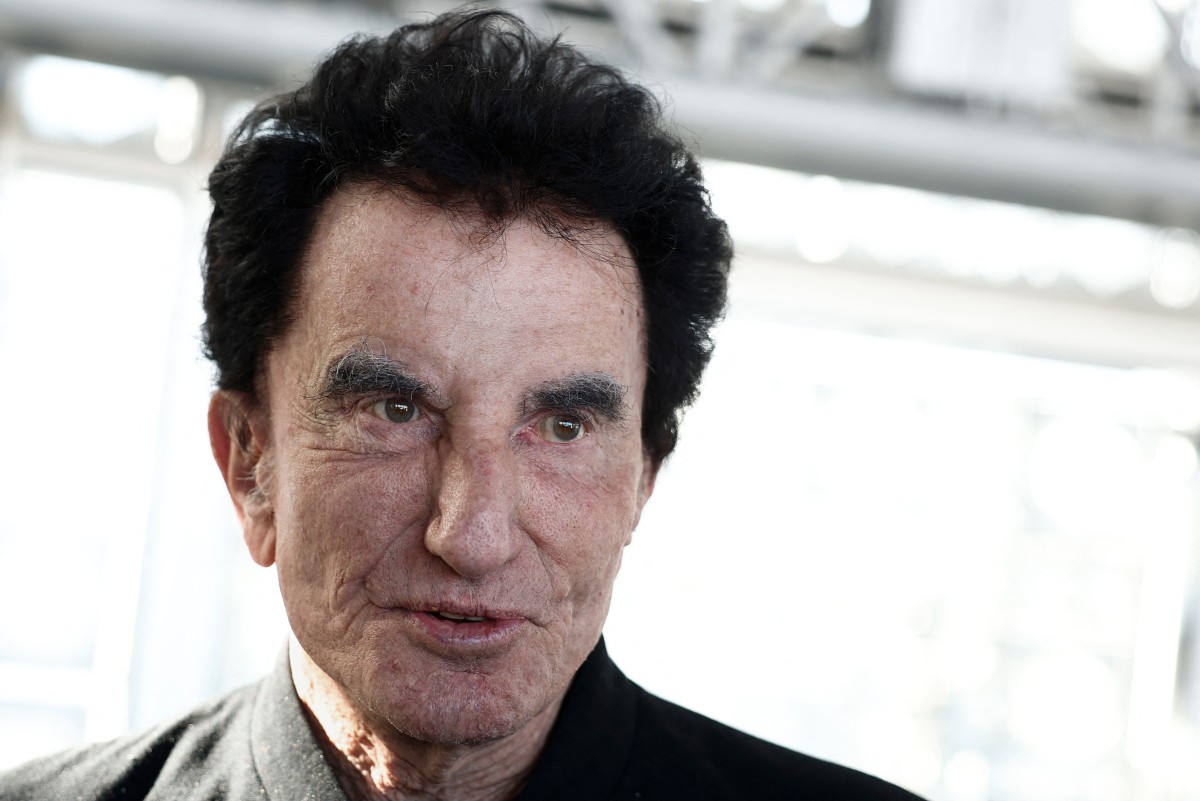
Jack Lang’s resignation, hastened by revelations connected to the Epstein files and investigations into laundering the proceeds of tax fraud, left the prestigious institution confronting a leadership vacuum. Legendre’s profile emerged as the culmination of a long-term strategy to professionalize and depoliticize the management of France’s major “soft power” instruments.
Academic roots of an expert in Middle Eastern affairs
Legendre’s career path reflects an early ambition to combine rigorous political analysis with exceptional technical and linguistic expertise. She graduated from the Paris Institute of Political Studies before attending the National Institute of Oriental Languages and Civilizations (INALCO), where she earned a diploma in Arabic in 2002, marked a turning point in her career. Mastery of the language became the key that enabled her to join the prestigious “Orient Framework” at the Ministry of Foreign Affairs, a department for diplomats specializing in complex geographical regions.
Her intellectual credentials were further strengthened by studies in modern literature at Sorbonne Nouvelle University, providing her with editorial fluency and the ability to conduct cultural analysis—skills that proved invaluable in her later roles as the Ministry of Foreign Affairs’ spokesperson and now as head of the Arab World Institute. This triad of expertise—political, linguistic, and literary—shapes a diplomat capable of navigating state power dynamics while also understanding the cultural nuances and narratives that influence public opinion in the Arab world.
Legendre’s entry into the “Quai d'Orsay” as an intern in the Foreign Affairs department in September 2007 marked the beginning of a rise described by many as “remarkable.” From her early years, she was assigned to conflict zones, notably at the French Embassy in Yemen between 2005 and 2006, where she served as a communications advisor. This immersion allowed her to test her theoretical knowledge of Arabic in the harsh realities of diplomatic fieldwork.
A technocratic face for leading soft power
Legendre represents a new generation of French diplomacy that blends deep field expertise with modern technical tools. She refined her political skills in the government of Laurent Fabius and at France’s UN permanent mission, managing complex Middle East crises and mastering multilateral work. As the first woman to serve as Consul General in New York and a former ambassador to Kuwait, she successfully combined “feminist diplomacy” with efforts to enhance France’s economic and technological influence, culminating in her role as the official spokesperson for the “Quai d'Orsay,” where she skillfully led initiatives to modernize government communication and counter information warfare during the Ukrainian crisis.
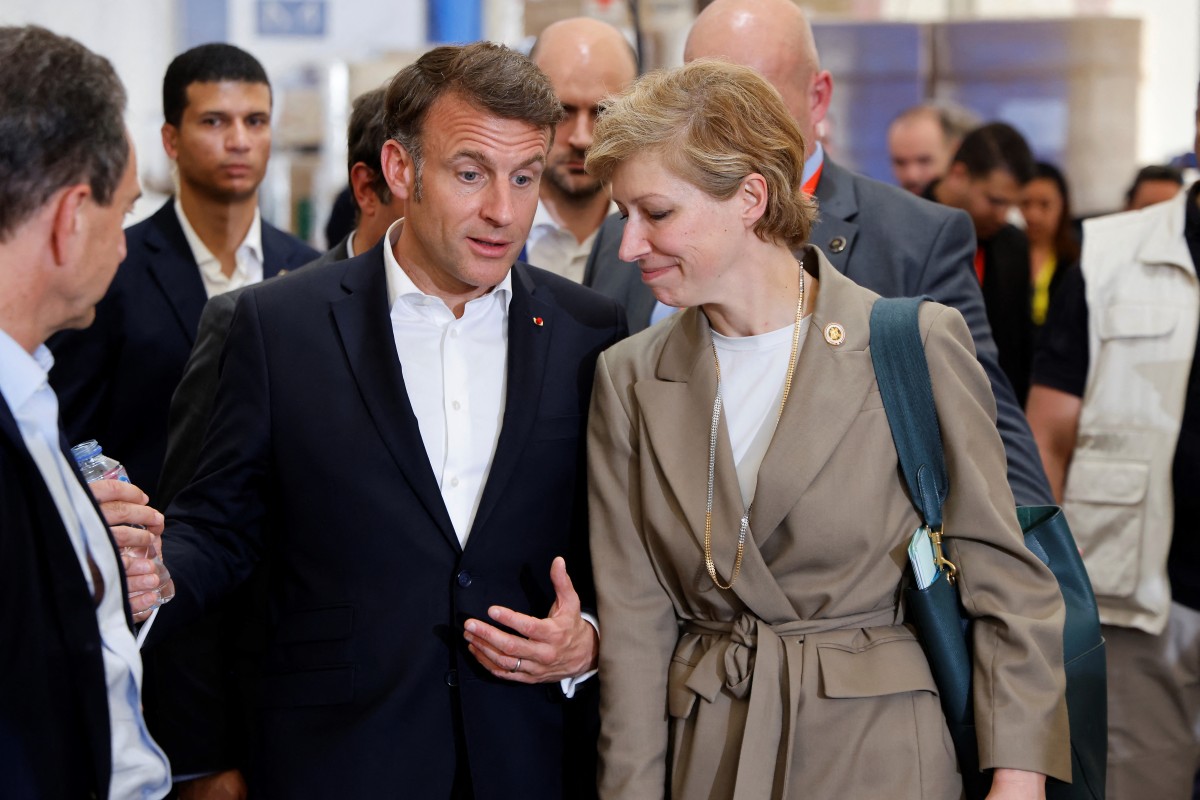
Today, Legendre is regarded as an “influence engineer” at the heart of the Élysée Palace, serving as an advisor to Emmanuel Macron. She plays a pragmatic role in matters concerning Gaza and the rapprochement with Morocco, positioning her as the frontrunner for the presidency of the Arab World Institute in 2026. Her strength lies in a distinctive advantage that combines presidential backing, mastery of Arabic, and the ability to transform cultural instruments into platforms for equitable partnerships—moving beyond traditional diplomatic models toward an operational framework that links strategic security with direct people-to-people engagement.
Challenges for the upcoming President
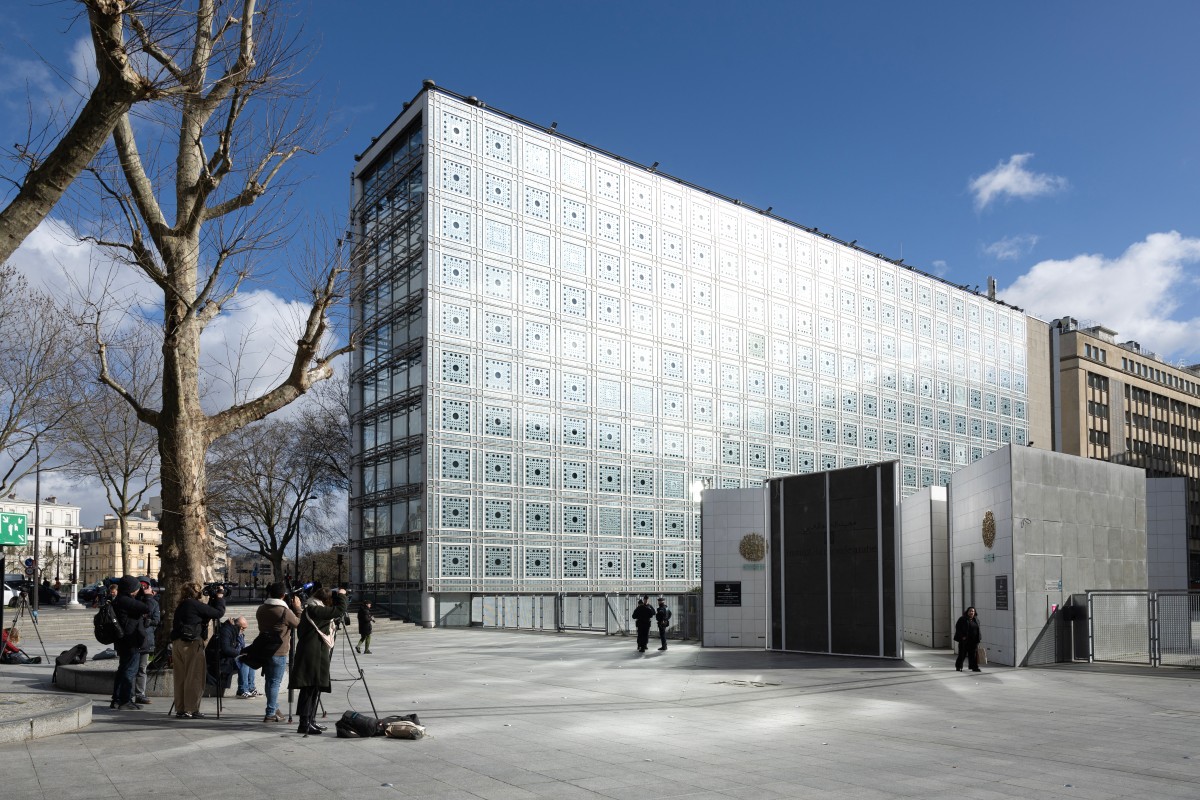
Legendre today inherits an institution that regained its luster under Jack Lang’s leadership, attracting 750,000 visitors in 2023, but now faces the challenge of reinventing itself. The institute can no longer function solely as a venue for prestigious exhibitions; it must evolve into a think tank addressing the key issues of Arab modernity, including environmental transition, women’s rights, the digital revolution, and interfaith dialogue.
Moreover, her expertise in communication and countering misinformation will be invaluable in transforming the institute into a bulwark against extremism and information-manipulation campaigns targeting young Arabs in France. She will be tasked with turning the institute—“this diplomatic tool”—into a genuine cultural bridge, capable of weathering geopolitical upheavals while upholding scientific and artistic excellence.
Embodiment of renewal
Legendre emerges as a woman of action and expertise, representing the culmination of a path of excellence within the French state. She has transformed her technical knowledge of Arab affairs into a lever of global influence. Her appointment as head of the Arab World Institute symbolizes the passing of the baton from the representational diplomacy embodied by Jack Lang to a model of operationally effective diplomacy.
Legendre possesses all the tools to transform the institute into more than a Parisian landmark, making it a driving force for French-Arab relations in the years ahead. Her challenge will be immense: reconciling historical memory with contemporary realities, easing identity tensions, projecting Arab culture toward modernity, and simultaneously safeguarding France’s interests in an increasingly volatile region.

العلامات الدالة
الأكثر قراءة