Caught between Iran and Lebanon: Hezbollah’s struggle with power and purpose
If Hezbollah truly values Lebanon, it must put the state first, gradually integrate into its institutions, and step into a new phase that finally asserts the country’s authority across its territory.


شارك على
 مسنجر
مسنجر
 واتساب
 ثريدز
ثريدز
 بريد إلكتروني
 الطباعة
شارك على


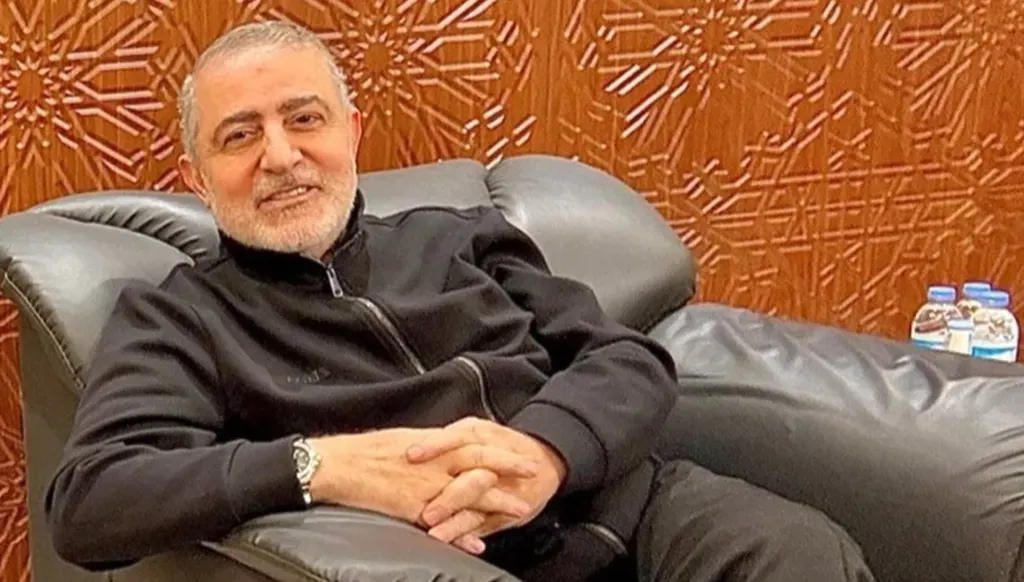


There are multiple reports about changes Hezbollah is making to its organizational structure as part of an internal review aimed at aligning its framework with the upcoming phase. These reports point to shifts since Naim Qassem took over as deputy secretary general, including new political appointments within the party that appear to prioritize political figures over the security and military apparatus, especially following the resignation of Wafiq Safa from the head of the Liaison and Coordination Unit.
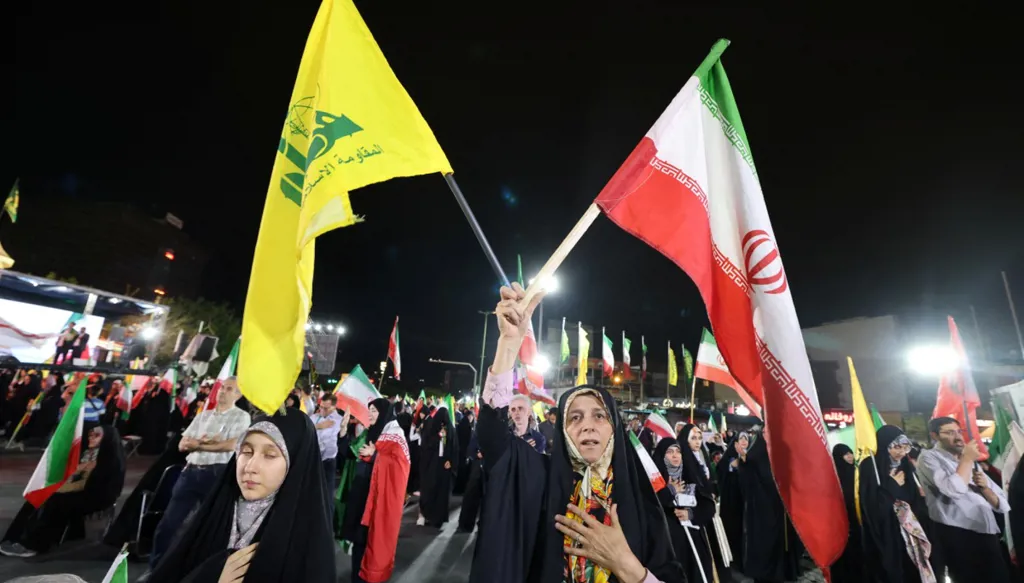
Even if we accept that organizational changes are taking place within the party, they do not address the question of its function and role, as long as its political rhetoric, alignments, and slogans revolve around its Iranian reference point. Tehran has rebuilt its institutions, with the Revolutionary Guard supervising the military apparatus under the guidance of the regime’s leadership. Ironically, discussions about change do not reflect the existence of diverse currents within Hezbollah engaging in critical debate or evaluating the consequences of the Israeli war, its decisions to support Gaza, or slogans like “deterrence balance” and the capacity to eliminate Israel. Instead, the party today projects its disappointments and failures onto the Lebanese state, which it considers incapable of protecting Lebanon, forcing Israeli withdrawal from occupied hills, or securing the return of prisoners.
Organizational changes are not an indicator of a transformation in Hezbollah’s structure or strategy. Since its founding, and even through previous phases of change - such as in 1991 when Abbas al-Musawi became secretary general after the removal of Sheikh Subhi al-Tufayli - the party has maintained its allegiance to the Iranian project. This loyalty has been reinforced by Hassan Nasrallah throughout his more than 30 years in leadership. Today, Naim Qassem seeks changes not to establish a new phase, but to consolidate control over the party and its apparatus. These changes are unrelated to his history in the Islamic Dawa Party, an Iraqi Shiite political movement known for opposing Saddam Hussein and promoting Islamist governance. Any genuine organizational reform should be linked to political developments, adapting to changes, and re-aligning primarily with Lebanese nationalism, not external agendas.
Hezbollah clings to its weapons without clearly defining their purpose, except for Naim Qassem’s repeated claim that they exist to defend the resistance and Lebanon. At the same time, the party refuses to acknowledge that its reliance on armed conflict, external support, and political bets has led to disaster. It returns to the same refrain, saying that “everything the resistance has faced in Lebanon, from the Bekaa explosions to attacks on its capabilities and the martyrdom of leaders, shook mountains and toppled states, yet we remained standing with our heads held high.”
Meanwhile, Israel continues daily attacks, assassinating party operatives without any retaliation. Yet Hezbollah proclaims victory, claiming that “Israel today is weaker than ever, because it is meaningless without America and has failed to achieve decisive results.”
If Hezbollah truly cares about its community and Lebanon, it should return to a state-centered logic, gradually integrate into state institutions, and move toward a new phase aimed at strengthening the concept of the state and extending its authority and control over the entire country. If it instead remains committed to weapons as the symbol of its continuity, there can be no expectation that any current faction within the party will prioritize politics over military or security concerns. What we see in Hezbollah today is a repositioning effort that does not end the era of arms, does not allow its structure room for meaningful reform, and does not give Lebanese citizens the opportunity to explore creative ways to liberate territory and push for Israel’s withdrawal. Instead, the party continues to bet on changes occurring within the framework of Iran–U.S. negotiations, holding onto weapons it claims are for confronting Israel, while they are gradually rusting and may ultimately prove useless.
Disclaimer: The opinions expressed by the writers are their own and do not necessarily represent the views of Annahar

العلامات الدالة
الأكثر قراءة