Muscat talks: A delicate balance between diplomacy and deterrence
The U.S.–Iran negotiations in Oman offered a pause in tensions, giving regional and global actors time to manage risks and prevent escalation.


شارك على
 مسنجر
مسنجر
 واتساب
 ثريدز
ثريدز
 بريد إلكتروني
 الطباعة
شارك على





The Muscat round between the United States and Iran was not negotiations aimed at a quick deal, but rather a test of intentions to prevent the process from breaking down. Both sides left without a rupture, and this alone was the realistic goal of the round. What was achieved was keeping the communication channel open under high pressure and practically opening the door for a second round.
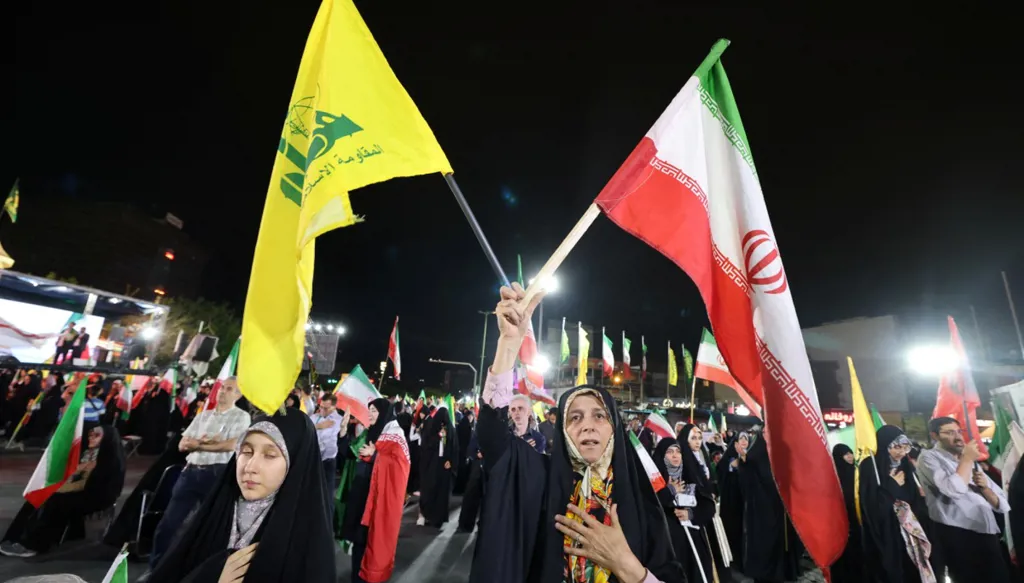
The first round quickly revealed the limits of disagreement. Tehran insisted on enrichment within its territory and rejected the idea of halting enrichment or moving it abroad. Washington’s main demand remains to permanently block the path to nuclear weapons, while trying to expand the agenda to include missiles, regional proxies, and Iran’s domestic affairs. At this point, the reason for slow progress becomes clear: each side comes to the table seeking an agreement with a different meaning, so the gap remained almost the same.
The disagreement was not limited to the conditions but extended to the way the negotiations were conducted. Iran is accustomed to indirect channels and wanted the talks to remain under Omani mediation, with limited direct meetings during the round. In contrast, Washington pushes for a fast-paced negotiation path but under high military pressure, while Tehran bets on time and insists on limiting the discussion to the nuclear issue alone.
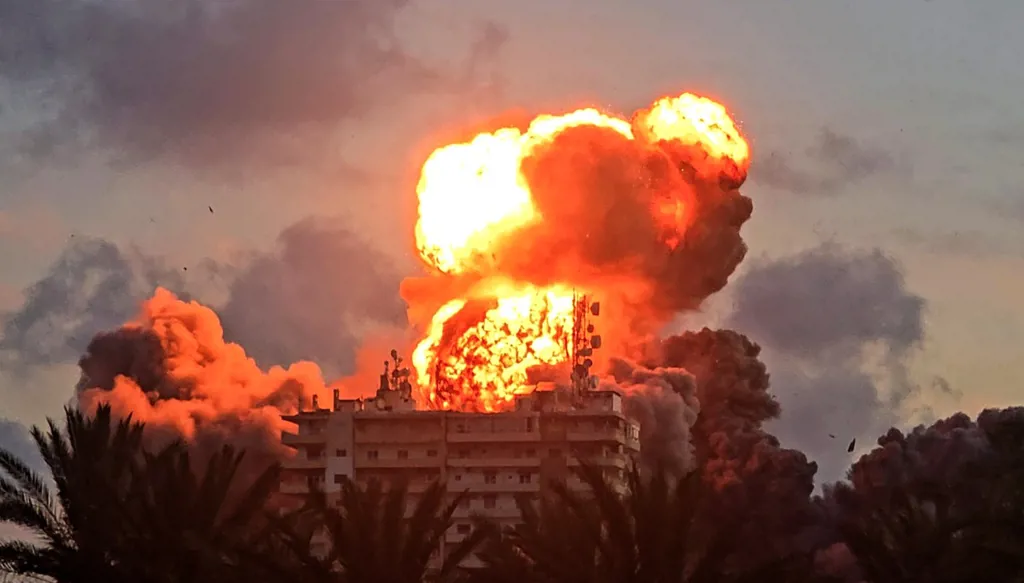
U.S. President Donald Trump threatens military action, then describes the Muscat talks as “good.” For Trump, negotiation is a deterrence tool, and deterrence is an extension of negotiation. Therefore, the round took place under the shadow of military buildup and public threats, making the diplomatic path governed by a specific equation: either a deal according to American terms, or a move toward escalation if the process falters.
Gulf capitals interpreted the Muscat round through the lens of stability before any other consideration. Not just because the Gulf is a party to the negotiations, but because it is the first to be affected if the situation slips into a new confrontation over shipping lanes and energy markets. Therefore, the Gulf welcomed Oman hosting the talks as a push toward easing tensions.
In Abu Dhabi, the stance was consistent; Dr. Anwar Gargash, Diplomatic Adviser to the President of the UAE, stated at the World Government Summit that “the Middle East does not want another confrontation between the United States and Iran.” The Gulf states are betting that the time granted by Muscat can turn into a constructive period of calm.
The anticipated visit of Israeli Prime Minister Benjamin Netanyahu to Washington came in reaction to the outcome of the Muscat round. Netanyahu brings hardline demands that go beyond the nuclear issue to missiles and the network of regional proxies, because Tel Aviv fears that the negotiations could lead to a limited nuclear understanding while leaving other sources of threat intact.
The Trump administration seeks a measurable Iranian step that prevents escalation, such as controlling enrichment levels, clear arrangements for the stockpile, and the return of monitoring and inspection mechanisms that restore a minimum verification capacity. This explains Netanyahu’s urgency for the meeting and his attempt to raise the threshold of demands before time turns into an independent negotiation factor that is harder to adjust later.
Russia is acting with a risk-control mindset. The visit of Ali Larijani, Secretary of Iran’s Supreme National Security Council, to Moscow came at a precise moment. Moscow understands that any new escalation in the Middle East could raise the cost of the war in Ukraine for it and complicate its relationship with the Trump administration, which does not want to provoke it now.
Therefore, it prefers technical solutions, such as arrangements regarding the stockpile and monitoring, rather than letting the region slide into a confrontation that would unsettle everyone; this also explains the calm of Russian–American balances in Syria.
The Muscat round gave everyone extra room to maneuver. Tehran now faces a direct test of how to use the time without turning it into a reason for new escalation. The Trump administration will measure the next round by what can be verified on the ground, not by statements, and Israel will continue to try to raise the threshold of demands within the U.S. decision-making, while the Gulf states remain concerned that the region does not return to a climate of escalation.
In the coming weeks, it will become clear whether this path will turn into a sustainable calm or whether the region will return to a cycle of mutual pressure.
Disclaimer: The opinions expressed by the writers are their own and do not necessarily represent the views of Annahar

العلامات الدالة
الأكثر قراءة