Why ISIS is returning to Syria


شارك على
 مسنجر
مسنجر
 واتساب
 ثريدز
ثريدز
 بريد إلكتروني
 الطباعة
شارك على




Years after the caliphate was comprehensively defeated, ISIS is repositioning in Syria. The organization cannot immediately support a strategy of territorial conquest as it did in 2014, but the war of public relations with Ahmed al-Sharaa could pave the way for an eventual return to power.
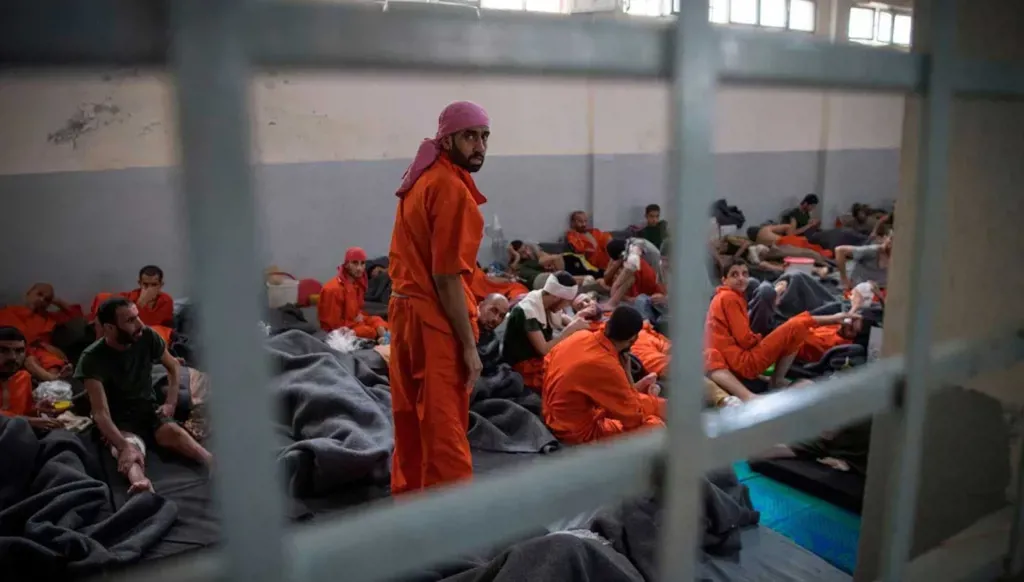
When the Syrian Democratic Forces (SDF) became preoccupied with defending their own existence they abandoned detention centers holding thousands of extremists. One-hundred and twenty prisoners escaped from al-Shaddadi prison south of al-Hasakah in January, and despite successful efforts to recapture most escapees, ISIS once again dominated headlines and forced global powers to review their policies on Syria and the SDF.
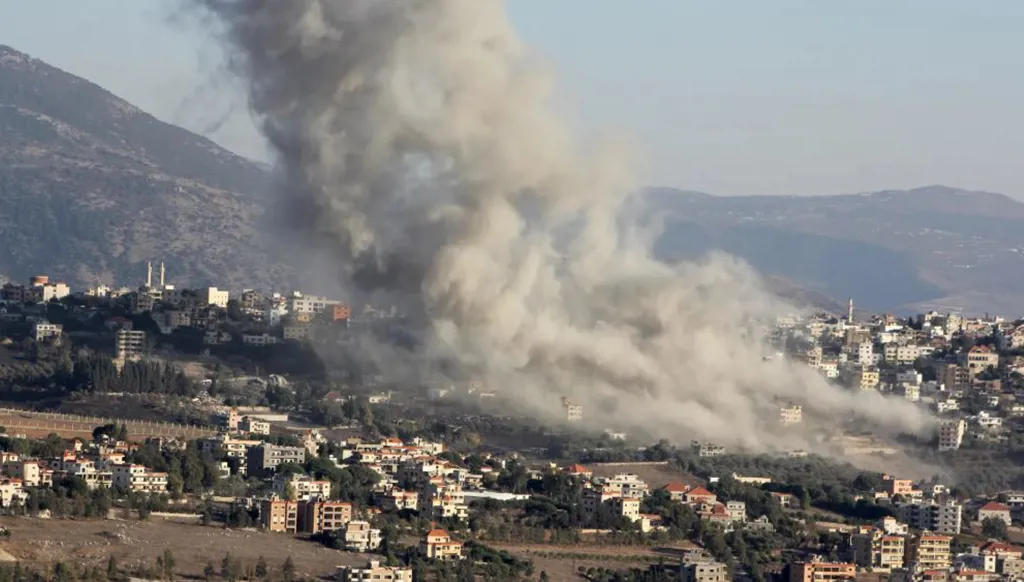
Since the beginning of 2026, ISIS activity has moved beyond traditional operations in the Syrian desert, reaching the execution of high-profile attacks in major cities. This recent push started in June 2025 with the bombing of the Church of St. Elias in Douweila, Damascus, an attack which claimed 22 lives.
Multiple Parties
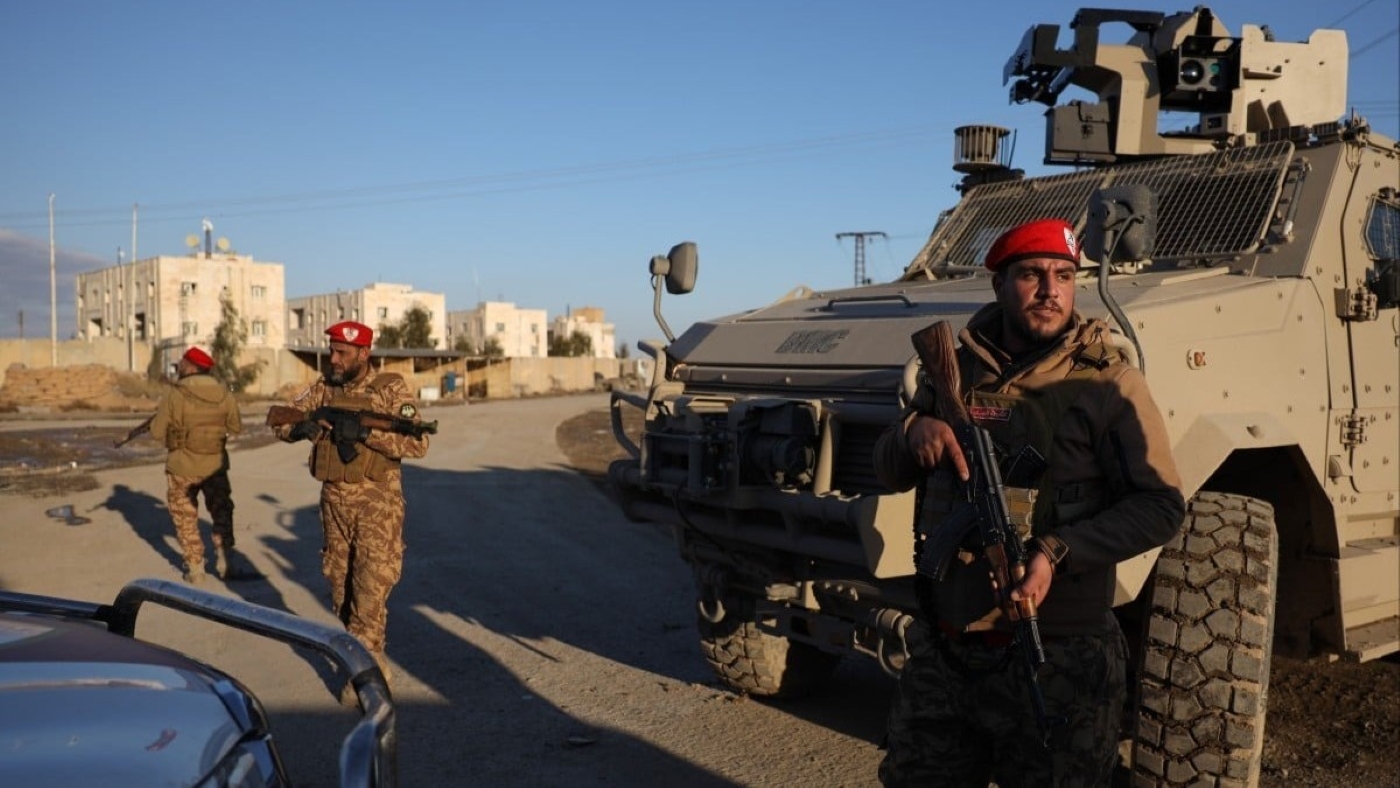
No single party directly undertook the task of reviving ISIS. Overlapping interests created the climate for resurgence. The transitional government in Damascus benefits from the return of the jihadist threat in order to enhance its international legitimacy. By presenting itself as the sole alternative capable of fighting ISIS and protecting minorities from its violence, Damascus has managed to join the international coalition against the organization. This has granted Damascus the legal and diplomatic cover to move past its history linked to Hayat Tahrir al Sham, the former jihadist alliance, which many of its top leaders, including President al-Sharaa, helped form.
Turning a partial blind eye to the organization’s movements in certain areas may also serve Damascus by accelerating the dismantling of the Syrian Democratic Forces, after portraying them as incapable of securing prisons and territories, thus justifying sovereign military intervention. This approach is also used to attract Gulf and US support by linking Syria’s stability and the prevention of ISIS’s return to the provision of financial aid and the lifting of economic sanctions.
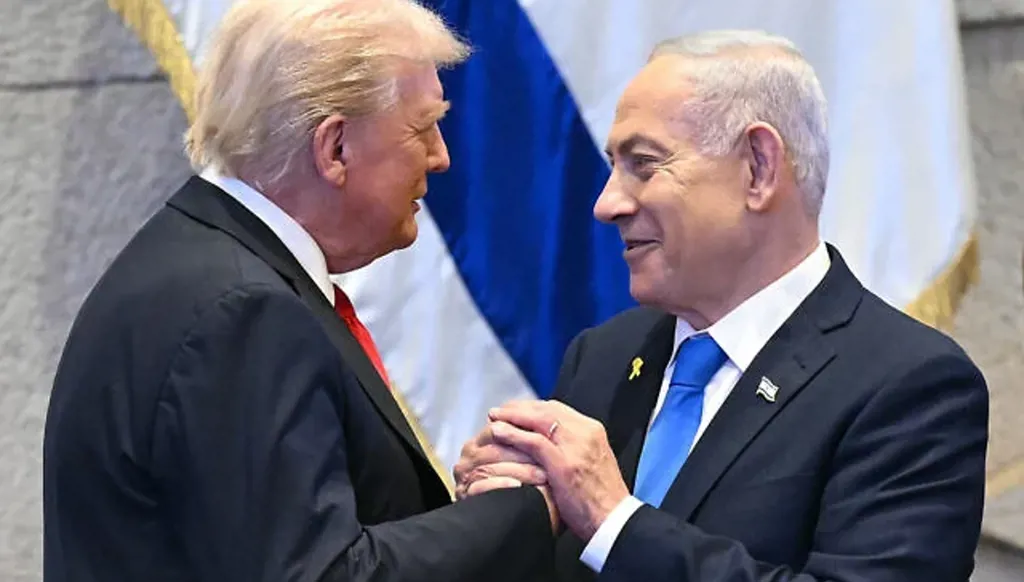
Likewise, the policies of US President Donald Trump and his envoy Tom Barrack contributed to weakening the defensive lines against ISIS. By pushing the Syrian Democratic Forces toward a politically suicidal move of unconditional integration with Damascus, Washington created a state of frustration and imbalance among the Kurds, who had formed the spearhead of the fight against the organization for more than ten years. Although Washington views the jihadist threat as an inevitable danger, it believes it can be managed through intelligence cooperation with Damascus, preferring this option over continued support for a Kurdish entity that provokes Turkey’s anger and hinders the stability of the "new Syrian state".
As for Turkey, ISIS remains a secondary threat in its view compared to the Kurdish "self-administration" project. Ankara has encouraged the Syrian government to pursue the military option against the Syrian Democratic Forces and has even provided political and logistical cover to Arab factions that rose up against the Kurds. Even if dismantling the Syrian Democratic Forces leads to a temporary increase in ISIS activity, this represents, in Turkish strategic calculations, a major victory that ensures the distancing of Kurdistan Workers’ Party fighters from its southern borders.
In Whose Hands?
The threads of the issue are not in the hands of Syrians alone; they are controlled by a group of regional and international actors who have reordered their priorities based on the new post-Assad reality. Washington controls the sensitive security file, especially the issue of "ISIS detainees", and the transfer of 7,000 prisoners from Syria to Iraq was a purely American decision aimed at preventing this "card" from falling into the hands of unreliable parties amid the chaos resulting from the retreat of the Syrian Democratic Forces. The role of Barrack also stands out as a key link between Damascus and Erbil in coordinating the post-SDF phase.
Israel likewise remains an actor "behind the scenes", with the goal of exhausting Syria to prevent it from turning into a strategic threat. Tel Aviv benefits from the return of jihadists because it ensures that the new Syrian army, Kurdish enclaves, and opposition factions remain in a constant state of confrontation, while weakening Iranian influence that is attempting to reposition itself in Syria under new labels.
The return of "ISIS" to the forefront today is the harshest side effect of the major "settling of scores" process in northern and eastern Syria. The Kurds have paid the price for ambitions that exceeded the limits of geopolitical possibility, while Damascus exploited the jihadist menace to repair its lost legitimacy. Amid international powers controlling the strings of the game, the Syrian citizen remains the primary target of the machinery of extremism, which feeds on the security void, political injustice, and an ongoing Islamization of the state structure at full speed. Only the ability of the new government to build a social contract that transcends ethnic and sectarian divisions, and to dry up the sources of extremism through genuine development rather than internationally backed military operations alone, offers a path to burying the organization once and for all. This appears unlikely in the current circumstances.
Disclaimer: The opinions expressed by the writers are their own and do not necessarily represent the views of Annahar
العلامات الدالة
الأكثر قراءة