Banque du Liban temporarily freezes accounts: A step toward financial oversight
Lebanon’s Central Bank (Banque du Liban) temporarily freezes accounts of some local and foreign entities, signaling a cautious return to financial oversight under global AML pressure.



شارك على
 مسنجر
مسنجر
 واتساب
 ثريدز
ثريدز
 بريد إلكتروني
 الطباعة
شارك على


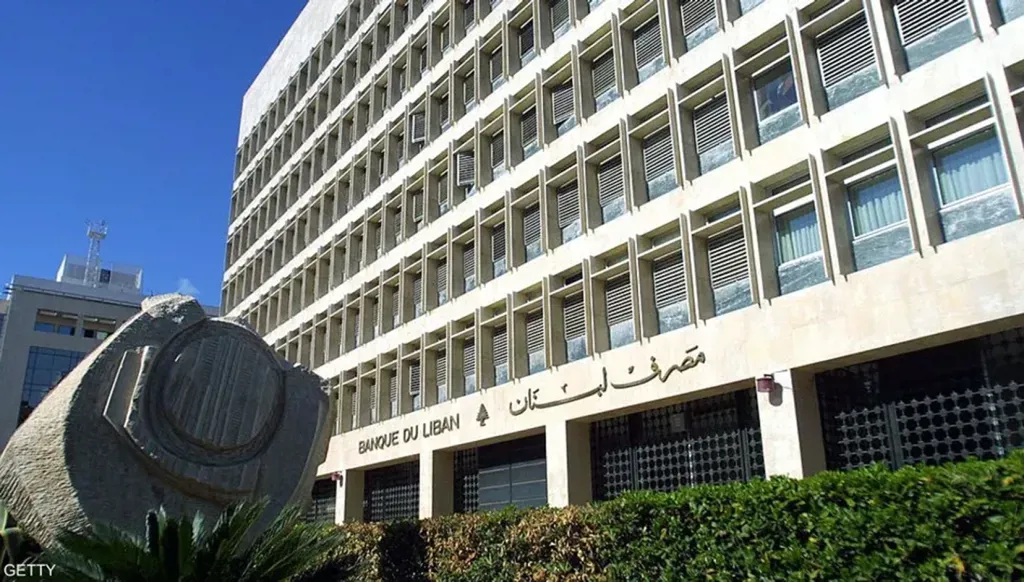


The decision by the Special Investigation Commission of the Banque du Liban to freeze the accounts of some individuals and companies—both domestic and foreign—is more than a routine procedural step. It comes at a critical juncture, as the state tests its ability to reactivate financial oversight tools after years of disruption and uncertainty. Issued unanimously for a temporary period, the move reflects a cautious approach: freezing funds without relying on judicial rulings. At the same time, it opens the door to broader interpretations regarding the nature of the audited files and potential financial links between individuals and legal entities, both inside and outside Lebanon.
In detail, the Banque du Liban, through its Special Investigation Commission, issued a decision to freeze the accounts of several Lebanese and foreign individuals and companies for an initial period of six months, with the possibility of extension. This measure, taken as a precaution within the Commission’s authority, falls under its mandate to combat money laundering and the financing of terrorism. Among the names listed are entities linked to insurance companies, the Casino, and the company BetArabia.
The decision, taken unanimously after reviewing a report prepared by the Commission’s Secretary-General, mandates the freezing of bank accounts and the restriction of access to safe deposit boxes belonging, directly or indirectly, to the listed individuals and companies at all banks and financial institutions in Lebanon. An exception is made for salary domiciliation accounts, which may be accessed only with prior approval from the Commission.
The measure is grounded in Law No. 44/2015, which empowers the Special Investigation Commission to take swift action when indicators justify examining the movement and sources of funds. Legal experts emphasize that the freeze does not amount to a judicial ruling or condemnation; rather, it is a temporary precaution designed to prevent the disposal of assets while investigations and necessary financial analyses are conducted, ensuring that the matters are clarified within the legal framework.
The law sets a clear timeframe for the freeze, initially lasting six months and extendable once, aiming to prevent the measure from turning into an indirect punishment while ensuring a minimum protection of rights.
The individuals covered by the decision were accompanied by their full personal details, such as birth dates and registry numbers, in a step considered standard in the Commission’s decisions. This was done solely to ensure precise identification and prevent any confusion, without implying legal accusation or judgment.
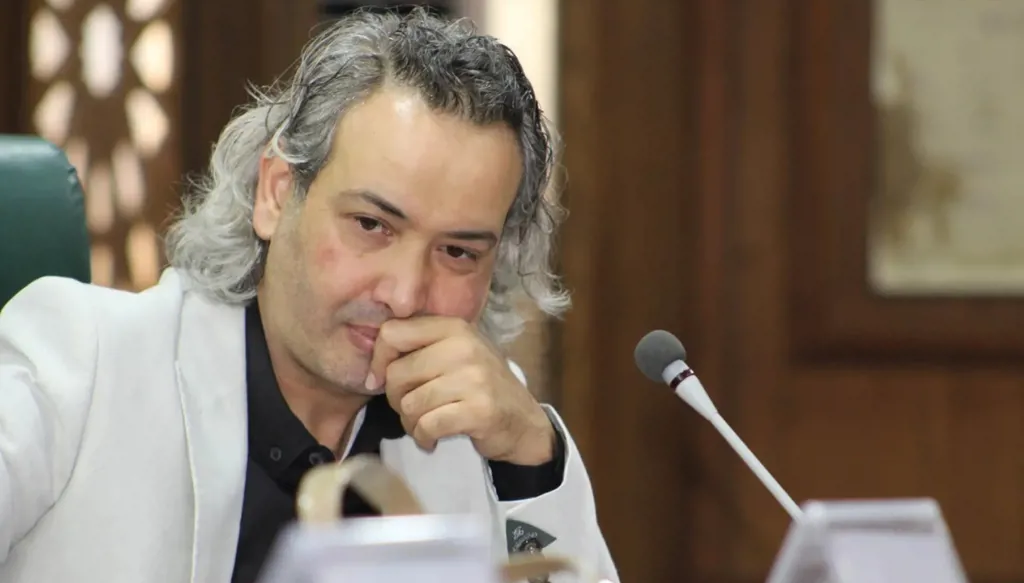
Perhaps the most notable individual affected by the Commission's decision is Elie Abboud, head of the Licensed Accountants’ Syndicate. The move prompted a comment from MP Farid Al-Boustani on his X account, stating that “the decision to freeze the accounts and prevent disposal of the safe deposit box contents belonging directly or indirectly to Elie Abboud, implicated in the blackmail case involving insurance companies connected to corruption allegations against former Economy Minister Amin Salam, is an important step toward uncovering the truth and holding the corrupt accountable.”
The former Minister Amin Salam’s lawyer, Samer Hassan Al-Hajj, stated that “the decision issued by the Special Investigation Commission of the Banque du Liban concerning Elie Abboud does not involve Minister Amin Salam, nor is it related to the insurance companies file or any pending matters linked to the Ministry of Economy.”
However, MP Farid Al-Boustani clarified that “the notification filed against syndicate head Abboud, former Minister Salam, and others was submitted by me as chairman of the parliamentary economy committee, with the consensus of all committee members, following the discovery of financial irregularities and public fund mismanagement. Our monitoring role concluded once the report and its attachments were referred to the competent judiciary, in line with the principles of separation of powers and judicial independence.”
The decision included several companies and legal entities, among them companies registered in Lebanon such as Game Cooks SAL, Game Cooks Holding SAL (a holding company), GMEC SAL, and Olive Support Services, in addition to companies registered outside Lebanon, most notably Afrijeux Tchad in Chad and IK Holding Limited in Cyprus.
A notable aspect of the decision is that it targets both individuals and Lebanese and foreign companies within a single measure, suggesting potential financial links or overlapping operations under review—whether through joint bank accounts, cross-border transfers, or interconnected legal structures.
According to informed sources, in such cases, the Special Investigation Commission relies on detailed analyses of fund movements, transaction timing, and the ultimate beneficiaries—without assuming any outcomes—while any further action is based strictly on documented technical findings.
This decision aligns with Lebanon’s commitments to international anti-money laundering standards, particularly under the ongoing scrutiny of the Financial Action Task Force (FATF). Legal sources confirm that the Commission operates within a cooperative network with financial intelligence units in multiple countries, enabling the exchange of information when cross-border transactions are suspected. Ongoing investigations may also stem from reports submitted by Lebanese banks or foreign regulatory bodies acting in accordance with international reporting obligations.

العلامات الدالة
الأكثر قراءة