The difference between disagreement and dispute is clear: disagreement is constructive—a divergence of opinion within a shared framework—while dispute is destructive, turning differences into hostility and weakening the common ground between parties.
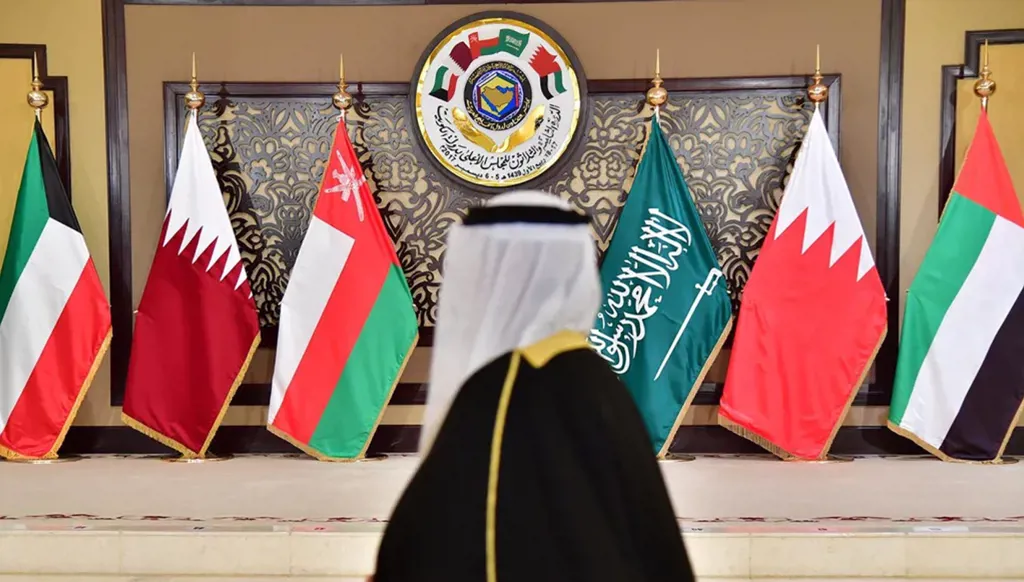
The importance of unity among the Gulf states has led observers to stress managing differences rather than letting them escalate into disputes that cause estrangement. This is especially crucial in a region facing significant challenges, where external forces may seek to exploit conflicts to undermine common interests and interfere in Gulf affairs.
Striving to prevent disputes is not merely a political slogan but a deliberate choice shaped by geography, history, kinship ties, and the nature of the shared challenges. Among Arab regions, the Gulf has largely avoided major upheavals—from destructive military coups and state fragmentation to the rise of internal militias and the chaos of the so-called "Arab Spring."
This resilience was not accidental but the result of a challenging journey: building modern states, avoiding upheavals, strengthening the principles of stability and solidarity, and recognizing that politics without institutions becomes mere improvisation, while a state managed reactively is vulnerable to disruption.
The Gulf states have, to varying degrees, grasped the deep structural shifts in international relations and recognize that stability depends on two key factors: maintaining unity and building modern states that actively manage change. These states adapt to evolving realities without undermining society, the state, or the collective system, avoiding the costly leaps into uncertainty that neighboring peoples have often faced.
Modern history offers clear lessons on the dangers of disputes. Europe in the first half of the 20th century provides a striking example: political and economic differences after World War I were poorly managed, escalating into sharp national conflicts fueled by populism and extremist rhetoric. The result was World War II, which brought widespread destruction and suffering, despite Europe’s industrial and intellectual advancements at the time.
The second example is the Arab region after independence. Disagreements among elites over governance and development approaches escalated into disputes, prompting military interventions, political stagnation, and the transformation of the state into a tool of oppression in the name of the people. The result was decades of underdevelopment, civil wars, and the systematic loss of opportunities, as differences were not managed through institutions but exploited to exclude others.
The third example is former Yugoslavia, a multi-ethnic and multi-religious state that could have been governed through consensus. Instead, political differences escalated into violent identity-based disputes fueled by populist elites, ultimately leading to the country’s breakup and leaving lasting security, economic, and psychological repercussions across the region.
Equally concerning is the role of unrestrained media and modern social platforms, which amplify natural differences and turn them into open crises through rapidly spreading, mobilizing rhetoric. By reducing complex issues to stark dualities and appealing to emotion over reason, such discourse poses a direct threat to security and mutual trust, especially in a sensitive region like the Gulf.
Conversely, there are successful examples of managing differences without letting them escalate into conflict. The European Union after World War II provides a clear case: countries that had once waged devastating wars chose to channel their differences through shared interests and institutions, transforming potential conflict into cooperation and creating one of the world’s largest zones of stability and development.
Today, the Gulf faces complex challenges: shifts in the international system, ongoing regional conflicts, economic pressures from energy and digital transitions, and constant attempts to undermine its unity. In this context, turning natural differences into sharp disputes is a dangerous risk that threatens both security and development. The Gulf’s strength has never relied on total conformity but on managing differences within a shared framework, recognizing that what unites it far outweighs what divides it.
The Gulf does not need to erase differences but to manage them wisely, ensuring they do not escalate into disputes. By keeping disagreements within the bounds of dialogue, institutions, and shared interests, the region can safeguard stability, preserve achievements, and create opportunities for collective gains. Failing to do so carries potentially catastrophic consequences.
The Gulf Cooperation Council itself offers a valuable lesson. Despite facing crises and severe differences at times, these challenges were managed wisely within an institutional framework, preserving the sense of a shared destiny and preventing a complete descent into estrangement or open conflict.
The Gulf experience shows that when differences are managed through institutions and calm channels, they can be contained—or even turned into opportunities for review and course correction. By contrast, when differences spill into the streets or dominate the media, they lose their political character and become trust crises and disputes that are difficult to repair. Today, political wisdom does not lie in eliminating differences but in managing them effectively, preventing destructive conflicts that invite external interference and exact a heavy toll on security, development, and social stability.
History shows that internal divisions are the easiest path to weakening countries, communities, and regional organizations, no matter how strong they may seem outwardly.
Disclaimer: The opinions expressed by the writers are their own and do not necessarily represent the views of Annahar.



 مسنجر
مسنجر
 واتساب
 ثريدز
ثريدز
 بريد إلكتروني
 الطباعة