Restrictions at the Semalka crossing... 3 categories can reach Kurdistan
'Annahar' contacted the authorities supervising both sides of the crossing, confirming that the bureaucratic procedures remain traditionally unchanged.


شارك على
 مسنجر
مسنجر
 واتساب
 ثريدز
ثريدز
 بريد إلكتروني
 الطباعة
شارك على


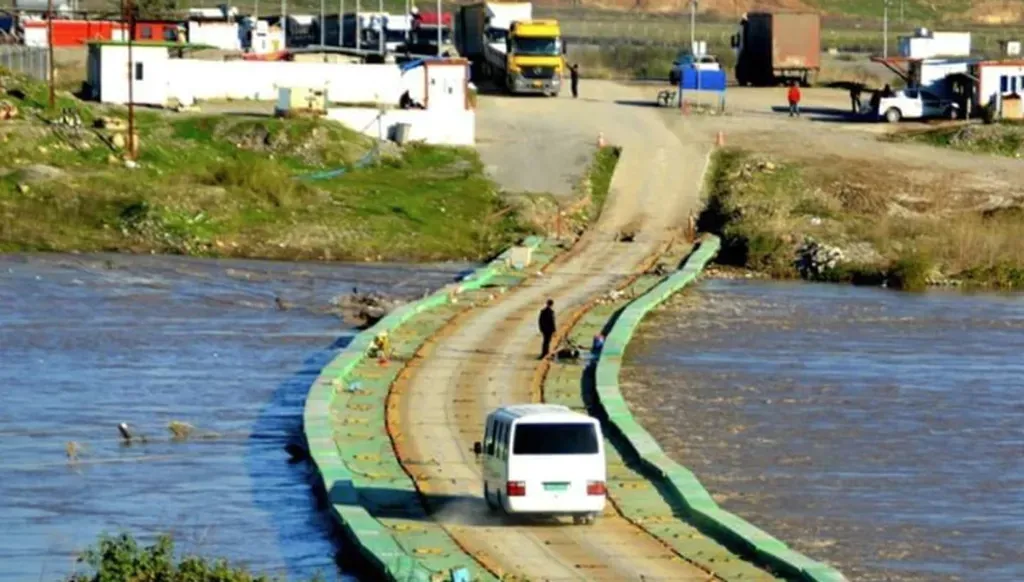


Crossing movements at the 'Semalka' border between the Kurdistan Region of Iraq and areas in northeastern Syria have returned to normal levels, after several days of tension in security and public conditions, following the withdrawal of Syrian Democratic Forces (SDF) from most of those areas and the spread of Syrian government forces.
'Annahar' contacted the authorities supervising both sides of the crossing, confirming that the bureaucratic procedures remain traditionally unchanged, as there is no general population displacement from the Kurdish-majority areas in northeastern Syria, and the authorities are not granting any special permits for those wishing to move on both sides of the border, except for cases of humanitarian aid entry, with dozens of trucks carrying relief materials entering from the region to northeastern Syria, while commercial movements on both sides of the border remain the same.
The 'Semalka' crossing located near the Syrian-Iraqi-Turkish border triangle was established in early 2012 as a humanitarian corridor, in response to the displacement of thousands of Syrian Kurds towards the Kurdistan Region of Iraq, at a time when security conditions in those areas were worsening, and supply and trade networks were cut off from the rest of Syria. For years, Syrian Kurdish refugees residing in the Kurdistan Region (estimated at about 300,000 people) have been visiting their areas through that crossing, using special papers and documents issued by the self-administration of northeastern Syria. The same applies to tens of thousands of Syrians residing in European countries.
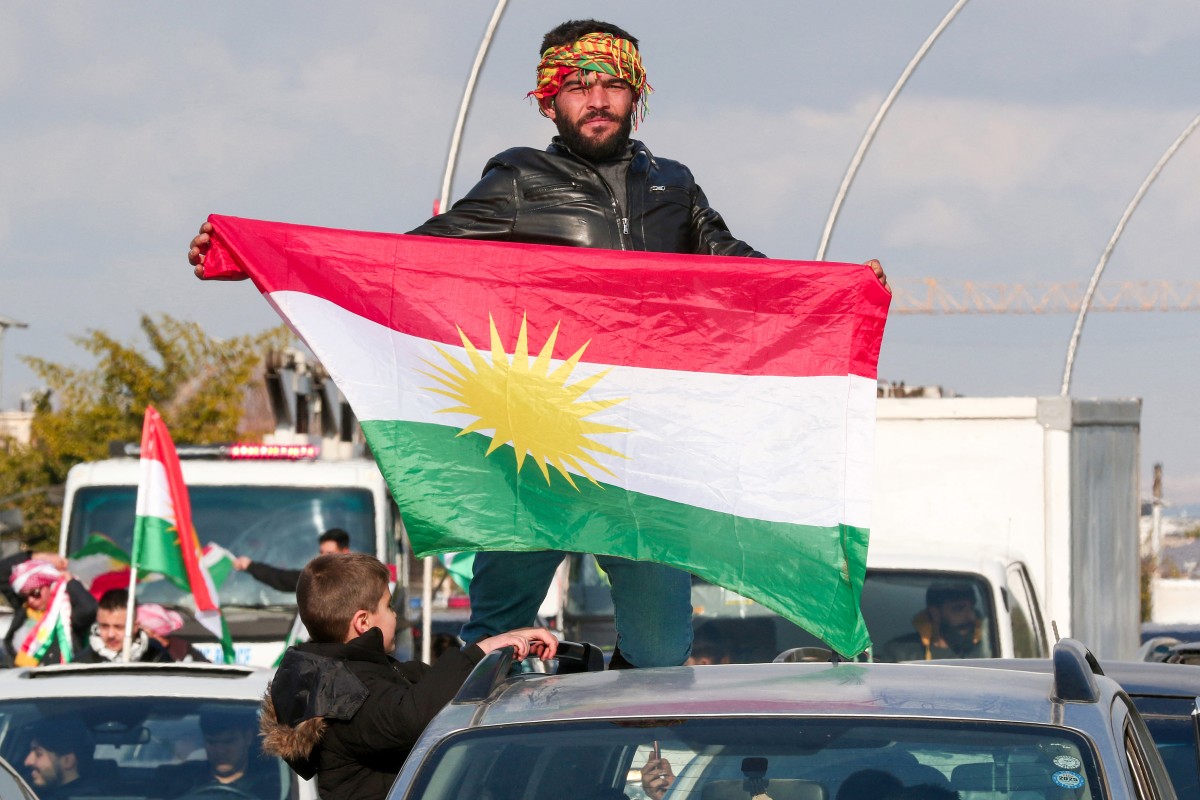
The early days of the current crisis witnessed an influx of individuals wishing to come from northeastern Syria to the region via that crossing, but the management of the crossing confirmed to 'Annahar' that they were visitors who had come to these areas during the previous weeks, whether from residents in the region or Syrian expatriates. Fears of a deteriorating security situation and the possibility of closing the border crossing prompted them to hasten their return to the region, along with special cases such as patients and those with appointments at consulates and foreign embassies in the Kurdistan Region.
The Kurdistan Region had witnessed a large-scale public campaign in solidarity with the people of northeastern Syria, during which hundreds of tons of aid were collected and entered through that crossing. The 'Barzani Charity Foundation' announced the opening of a permanent office in the city of Qamishli, continuing to receive aid through the crossing to meet the humanitarian needs in those areas.
According to information obtained by 'Annahar', only three categories of people can exit from northeastern Syria, which include: visitors who entered from the region in recent days, those with visit permits granted by the Kurdistan Regional Government after completing sponsorship procedures within the migration administration of the self-administration, and patients undergoing periodic medical treatments in the region's hospitals.
Writer and researcher Radi Badley explains to 'Annahar' the importance of the crossing for the self-administration of northeastern Syria, stating: "For many years, the Semalka crossing has been the only lifeline for that administration with the outside world, as the Turkish border was completely closed, and the regions of the former Syrian regime, which are now under the control of the new Syrian government, did not allow the flow of goods and people through the shared crossings. Currently, this crossing is considered one of the unresolved negotiation files between the SDF and the Syrian government, as the fate of nearly half a million Syrians residing in the Kurdistan Region is linked to the existence of this crossing."

العلامات الدالة
الأكثر قراءة