In Iraq, Maliki’s possible return alarms Washington at a critical regional moment


شارك على
 مسنجر
مسنجر
 واتساب
 ثريدز
ثريدز
 بريد إلكتروني
 الطباعة
شارك على


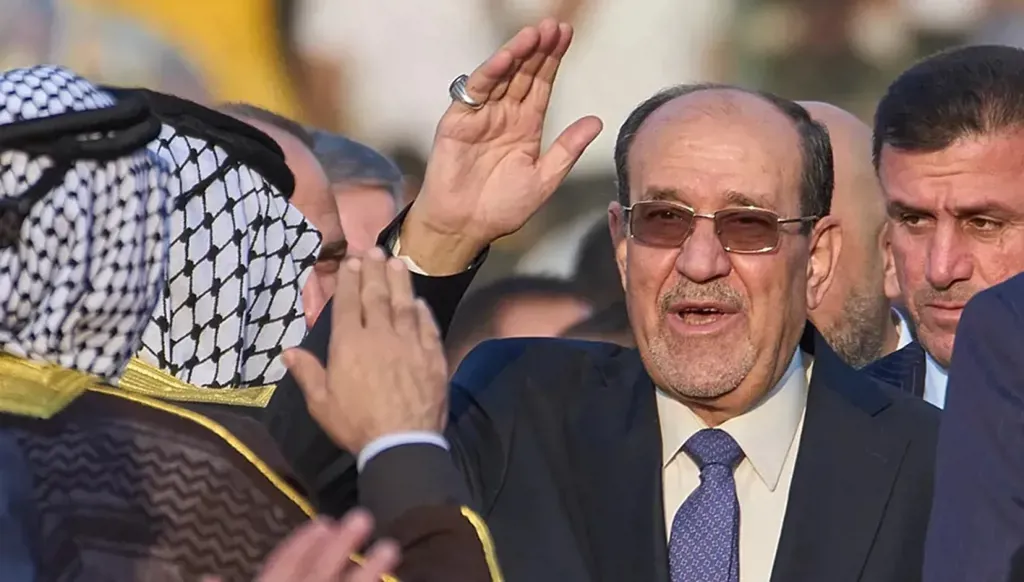


The administration of U.S. President Donald Trump, which is hinting at imminent military action against Iran, has also resorted to increasing pressure on Tehran through the Iraqi gateway. In this context, Washington is concerned about the return of the leader of the 'State of Law' coalition, Nouri al-Maliki, to head the government again, after he was ousted from power in 2014 under U.S. pressure coinciding with the rise of the 'ISIS' group.
In a clear warning, U.S. Secretary of State Marco Rubio, in a call with outgoing Iraqi Prime Minister Mohammed Shia al-Sudani on Sunday, emphasized that 'a government controlled by Iran cannot succeed in putting Iraq's interests first, keeping Iraq away from regional conflicts, or enhancing the mutually beneficial partnership between the United States and Iraq.'
The Iran-aligned 'Coordinating Framework' parties in the Iraqi parliament are set to nominate Maliki to head the government, succeeding Al-Sudani. Washington is closely monitoring this development as it seeks to curb Tehran's regional influence.
The Trump administration fears that Maliki may overturn Sudani's policies, who succeeded in establishing a balance in relations between America and Iran, often acting as a mediator between the two sides, and largely responding to Washington's demands to limit the influence of Iran-backed Popular Mobilization Forces.
Washington holds many pressure cards, should it feel that Maliki will work to strengthen Iran's role in Iraq, during this critical phase marked by escalating tensions between America and Iran, amid internal Iranian protests and a mounting U.S. military buildup.
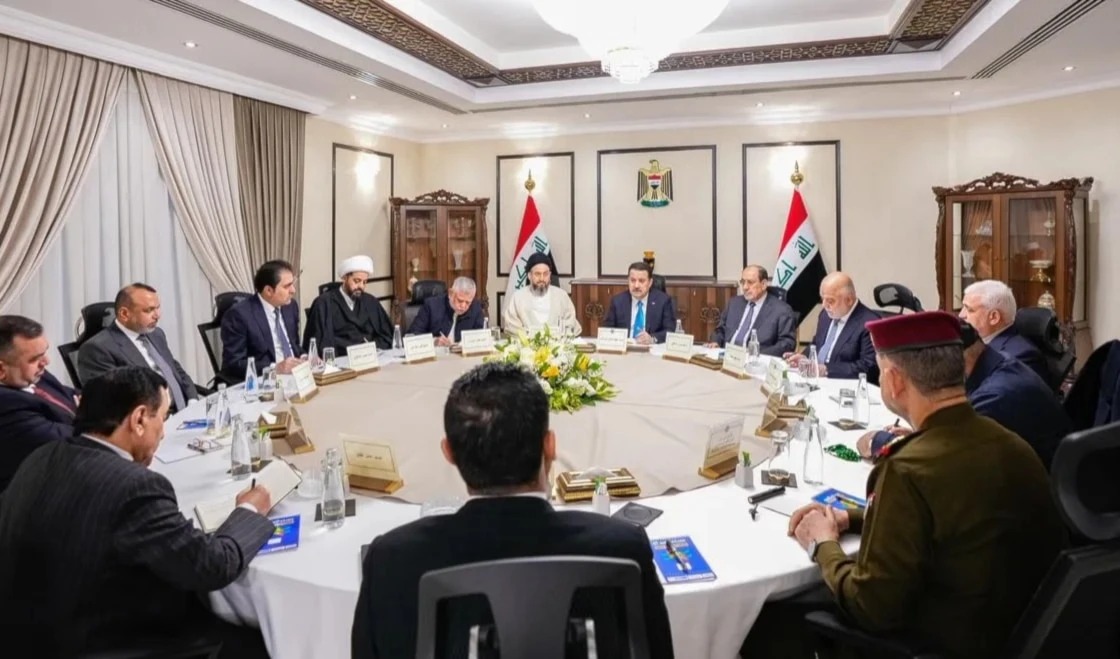
The strongest of these is the control over Iraqi oil revenues by the United States. It is known that these revenues have been deposited in the U.S. Federal Reserve since the Iraq invasion in 2003. Additionally, Washington will need the cooperation of Iraqi authorities to transfer 'ISIS' detainees from prisons formerly controlled by the 'Syrian Democratic Forces' (SDF) in northeastern Syria to Iraqi prisons. This was agreed upon between the U.S. Central Command and the Sudani's government after the entry of the Syrian army into Deir ez-Zor and Raqqa, and parts of Al-Hasakah last week.
Considering developments regarding Syria and Iran, the issue of not restoring Iranian influence at this moment gains exceptional importance, especially with increasing speculation about the possibility of America launching a military strike against Iran, and Tehran's threat of a response that may reach the level of full-scale war.
Tensions are escalating further with U.S. Central Command General Brad Cooper announcing a 'short, quick, and clean operation' in Iran, and conducting exercises lasting several days 'to demonstrate the ability to deploy, distribute, and sustain air combat capabilities throughout the Central Command Area of Responsibility.'
Washington is not disclosing a specific target or the scope of the potential strike, while questions arise about whether military action truly serves the interests of Iranian protesters, and whether Trump has decided to topple the regime or push towards policy changes.
While Washington is applying maximum military, economic, and political pressure, it is unlikely to relent if Maliki sides with Iran.

العلامات الدالة
الأكثر قراءة

أهالي بلدة مغدوشة تلقوا اتصالات من الجيش الإسرائيلي تضمنت تحذيراً من وجود عناصر لـ"حزب الله" بين النازحين