U.S.-Israel diverge over path to disarmament, preserving France's role in ceasefire talks
Lebanese Prime Minister Nawaf Salam’s Paris visit underscores France’s enduring role in Lebanon’s ceasefire Mechanism, even as U.S. and Israel increasingly diverge on the best path forward.


شارك على
 مسنجر
مسنجر
 واتساب
 ثريدز
ثريدز
 بريد إلكتروني
 الطباعة
شارك على


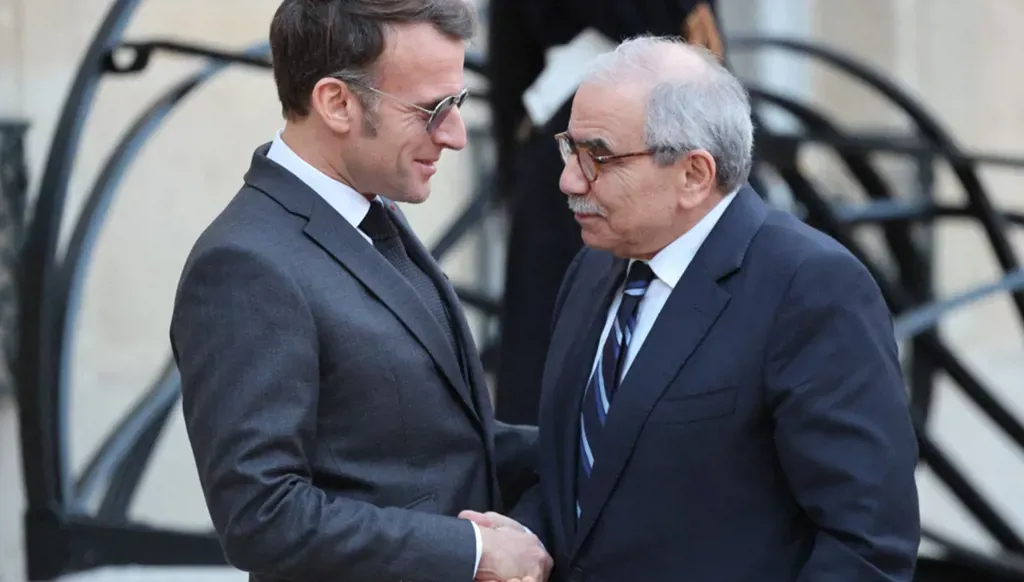


The visit of Lebanese Prime Minister Nawaf Salam to Paris, where he was warmly received by French President Emmanuel Macron, provided an opportunity to reaffirm Lebanon’s insistence on France’s role in the country—whether within the framework of the ceasefire Mechanism or in the forces that will succeed UNIFIL following its complete withdrawal by the end of the year.
In response to questions from Annahar, Salam denied any American intention to cancel the Mechanism, stating, “No one informed me of that.” When asked whether Lebanon could confront the U.S. administration if it tried to remove France from the negotiations under the Mechanism, he replied, “We are not in confrontation with America, which is a key partner and has not indicated any intention to remove France.” Nevertheless, the reality is that Israel and the U.S. administration appear to aim at freezing the Mechanism’s work and shifting Lebanese-Israeli-American talks into trilateral negotiations outside its framework. In this scenario, Lebanon would be represented by Ambassador Simon Karam, alongside Israeli and American representatives, discussing issues beyond the ceasefire, including economic relations and other matters.
The U.S. effort to disrupt the Mechanism and replace it with trilateral negotiations is evident, as American Ambassador to Lebanon Michel Issa has sought to end the Mechanism from the start, deeming it unnecessary. According to French diplomatic sources, the ambassador’s push stems from the U.S. perception that the Mechanism fails to exert pressure on Israel, signaling that American dominance does not fully translate to influence over its Israeli ally. Meanwhile, Israel favors the Mechanism over UNIFIL, as it has yielded little from the Israeli side but provides a direct communication channel with the Lebanese, bypassing the United Nations as was previously required. This allows for de-escalation and field coordination with Lebanon without the usual complications, particularly as the Americans largely permit Israel to act with impunity. From the outset, Israel has shown more support for this Mechanism than the U.S. under the current administration.
What bothers the Americans—and to some extent the Israelis—is that the Mechanism operates under observation, with France present and fully aware of the proceedings. For Paris, it is in Lebanon’s interest to avoid a direct confrontation with the U.S. and Israel. For Israel, the Mechanism serves practical purposes on the ground, particularly in facilitating daily requests to the Lebanese army. However, the American ambassador in Lebanon views the Mechanism as exposing the U.S. administration’s limited ability to pressure Israel. French officials are convinced that Israel, not the United States, will ultimately determine the Mechanism’s fate. Should it be terminated, a new framework for Lebanese-Israeli dialogue would be necessary, likely reverting to the United Nations. Annahar has learned that during a meeting between the ambassadors of the quintet in Lebanon and Army Commander Rodolphe Haykal, the audience was taken aback when the American ambassador openly suggested that the Lebanese army should confront Hezbollah.
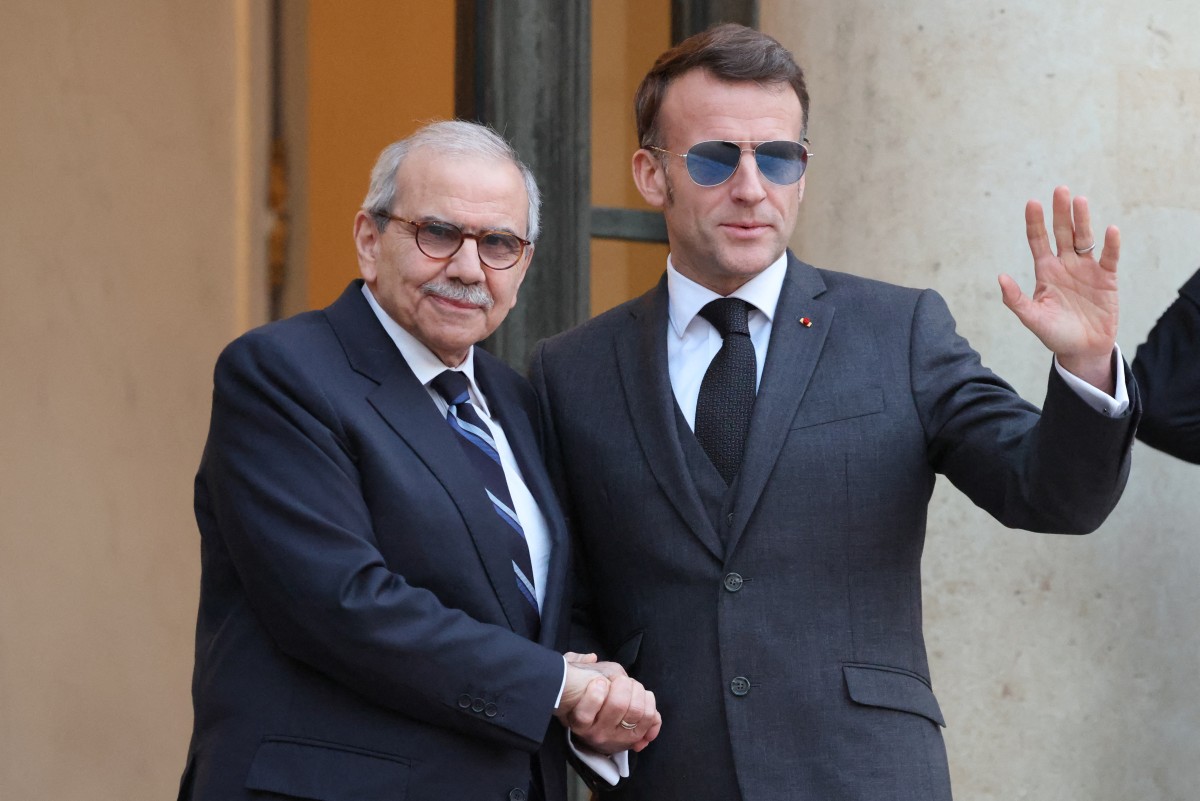
Paris and Beirut have confirmed that the army support conference will be held on March 5 in Paris. Qatari Minister Mohammed Al-Khulaifi is set to arrive in Beirut tomorrow in preparation for the event, ahead of a preliminary conference scheduled for February in a Gulf state, possibly Doha. However, Salam declined to confirm the location when speaking to Annahar, saying that the host country will make the announcement. Al-Khulaifi’s visit is likely aimed at organizing this preparatory conference in Doha.
When asked whether the dispute between U.S. President Donald Trump and his French counterpart could undermine France’s role in Lebanon, Salam replied that far bigger issues are at play, noting candidly that “small Lebanon is not the center of the world.”
France’s role in Lebanon remains crucial for its influence in the Mediterranean. President Macron is committed to supporting Lebanon, which continues to serve as a model of coexistence between Christians and Muslims. While the Trump administration could potentially hinder this historic role, his approach suggests he might quickly back down from disagreements with Macron if direct contact occurs, even though Macron has refused to join Trump’s peace council.
Disclaimer: The opinions expressed by the writers are their own and do not necessarily represent the views of Annahar.

العلامات الدالة
الأكثر قراءة