Gold, silver, and stocks: Markets navigate Trump’s geopolitical moves
Investor optimism rises despite geopolitical tensions, with gold and silver climbing as safe-haven assets and U.S. economic data showing steady growth.


شارك على
 مسنجر
مسنجر
 واتساب
 ثريدز
ثريدز
 بريد إلكتروني
 الطباعة
شارك على




U.S. President Donald Trump announced the imminent implementation of what he called "secondary tariffs" on countries that continue trading with Iran, signaling further economic escalation amid rising political tensions, especially following recent widespread protests in Iran. In the same context, Trump confirmed the deployment of a large American naval fleet to the Middle East, led by the aircraft carrier Abraham Lincoln, warning Tehran against advancing its nuclear program while also leaving open the possibility of reopening diplomatic talks after last week’s sudden reversal on a planned military strike.
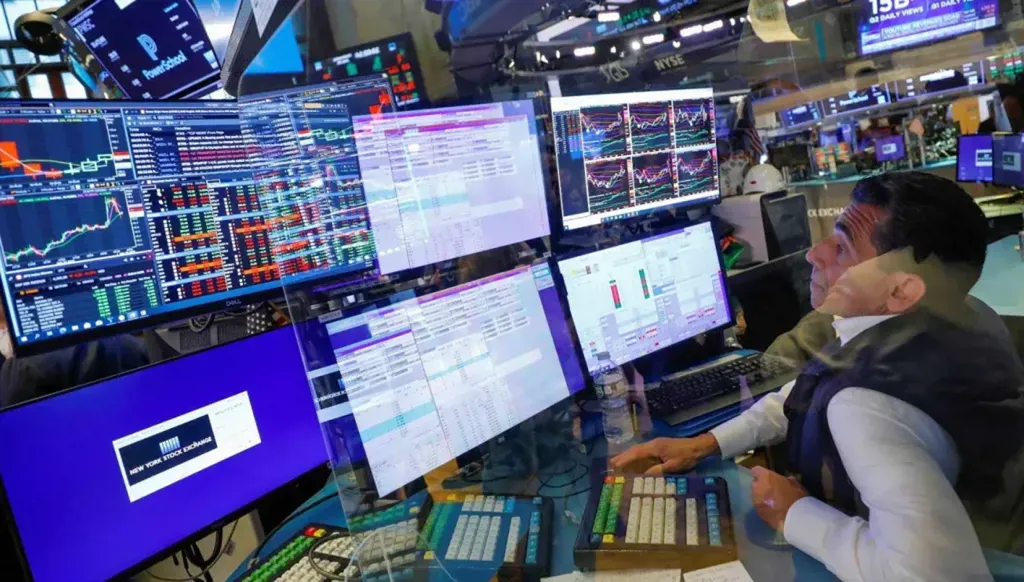
Despite the complex geopolitical backdrop, U.S. stock markets and global indices ended their recent sessions with notable gains, fueled by improved investor sentiment and easing political concerns. Observers attribute the positive performance to statements by President Trump at the Davos Economic Forum, where he hinted at preliminary agreements involving Greenland’s minerals and strategic resources, boosting expectations of potential medium-term economic benefits for the United States.
However, this optimism came with caution, as Denmark continued to strengthen its military presence in Greenland, keeping near-term uncertainty alive. This volatility was mirrored in global markets, which shifted rapidly from a politically charged mood to relative calm—a familiar pattern during Trump’s presidency, given the direct influence his statements often have on investor sentiment.
Additionally, Europe’s decision to halt the sale of its U.S. stocks and bonds supported American markets, boosting demand and giving the main indices a further lift at the start of the U.S. trading session, as investors gradually rebuilt positions following earlier waves of caution.
In commodity markets, gold continued trading near record levels, above $4,900 per ounce, buoyed by safe-haven demand amid ongoing geopolitical and trade tensions. The performance was further supported by forecasts from major investment banks—most notably Goldman Sachs, which raised its year-end 2026 target for gold to $5,400 per ounce—reflecting expectations that the metal will remain a key hedging tool in the months ahead.
In my view, the strong rise in gold prices reflects a combination of factors, chiefly escalating global political risks and central banks’ continued efforts to diversify reserves and increase gold holdings. While the metal has experienced temporary dips amid easing U.S. escalation rhetoric and a rebound in stock markets, the overall trend remains upward, with gold gaining more than 11% since the start of 2026.
Other metals are also performing strongly, with silver trading above $95 per ounce and expected to maintain upward momentum in the medium term, despite potential short-term volatility and price corrections. These movements occur amid concerns over Chinese policies, following the extension of its export licensing system through 2027, although some analysts suggest that fears of immediate tightening may be overstated.
On the U.S. economic front, recent data showed steady consumer spending—which accounts for more than two-thirds of economic activity—rising 0.2% in November. Quarterly GDP also recorded robust growth of 4.4%, supporting the U.S. dollar, which stabilized near 98 points.
Overall, the global economic landscape remains shaped by a delicate balance between short-term political easing and long-term structural pressures, from U.S. monetary policy to geopolitical tensions. In this environment, markets continue to respond sensitively to political statements and economic data, with gold and silver maintaining their positions as key defensive assets during periods of uncertainty.

العلامات الدالة
الأكثر قراءة