Foreign envoys push Lebanon on army support, financial reforms, and elections
The Quintet Committee seeks to reinforce Lebanon’s stability by linking military assistance to financial legislation and the timely holding of parliamentary elections.


شارك على
 مسنجر
مسنجر
 واتساب
 ثريدز
ثريدز
 بريد إلكتروني
 الطباعة
شارك على


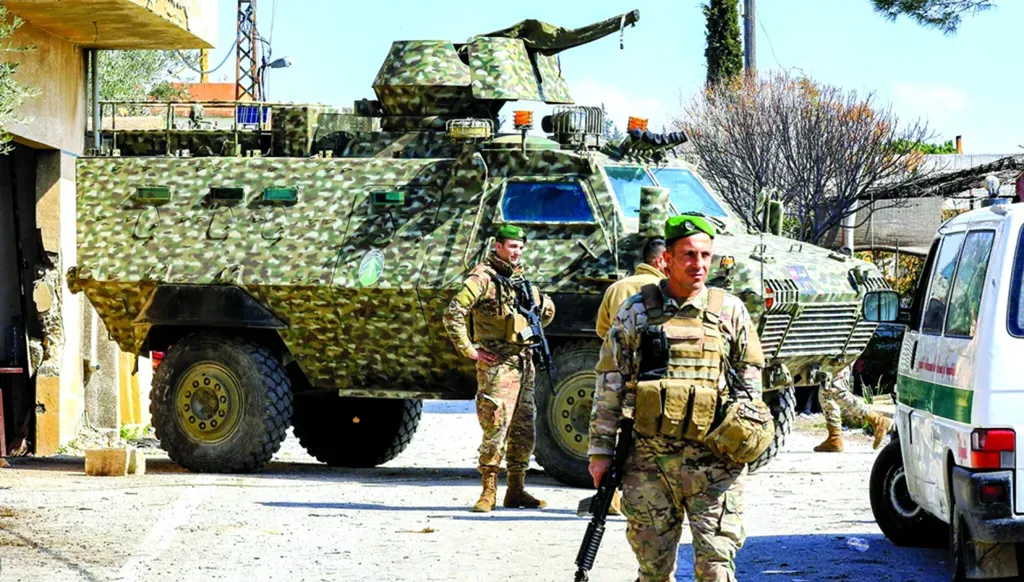


Members of the Quintet never drift far from Lebanon’s political landscape and its complications, only to reemerge whenever crises accumulate in a country used to “calling a friend for help.”
The Quintet’s members met with the Lebanese President Joseph Aoun, in a signal that foreign policy and major decision-making in Baabda (the presidential palace) are being addressed, without bypassing the government. It was natural for the two envoys Jean-Yves Le Drian and Prince Faisal bin Farhan to attend together, given that their two countries are following preparations for the Army Support Conference on March 5, under the patronage of French President Emmanuel Macron, with Aoun likely to participate.
According to a diplomatic source, the organizers will send invitations to countries participating in supporting the Lebanese army, foremost among them Qatar and the United Kingdom, while trying to encourage other Gulf states to contribute to this French-Saudi effort aimed at forming an international cell to support all military institutions, so that this task is not limited to the Quintet. The Quintet values Doha’s support for the army and its provision of financial assistance, in addition to supplying large quantities of fuel.
Despite this positive image regarding the army and its commander, financial expectations do not appear to be high, according to a diplomatic source. There are influential states that will not provide financial support to the army or allocate large sums, while awaiting a resolution on the issue of Hezbollah’s weapons.
In the Quintet’s meetings with General Rodolphe Haykal, more than one member praised the role the army played south of the Litani River. The discussion even reached the point of saying that "if Israel had occupied this entire area, it would not have been able to gather this amount of Hezbollah’s weapons from hundreds of sites and tunnels". The army limits itself to the statement it issued on the matter, with Haikal noting that there are several areas and locations occupied by Israel, which does not abide by the ceasefire and violates Resolution 1701, amid Washington’s insistence on beginning the second phase of the plan north of the Litani.
In the meantime, the Quintet becomes active whenever intervention is needed, while the whole group works to spare Lebanon any new shock, expressing its comfort with Aoun’s recent positions and affirming that it will not hesitate to support Lebanon and its stability.
In a meeting between France’s special envoy to Lebanon Jean-Yves Le Drian, Lebanese Parliament Speaker Nabih Berri, and Lebanese Prime Minister Nawaf Salam, the former emphasized Paris’s focus on developing the army’s capabilities. Despite the importance of this issue, the delegation, speaking on behalf of Le Drian, stressed the need to finalize the “financial gap” law and to hold parliamentary elections on time, noting a connection between the two files.
Despite the importance and sensitivity of the topics presented by Le Drian, Berri asked him to increase France’s engagement in the “Mechanism Committee” (the committee overseeing negotiations related to southern Lebanon), noting that France’s repeated absence from it allows Israel to impose its own options on the course of discussions.
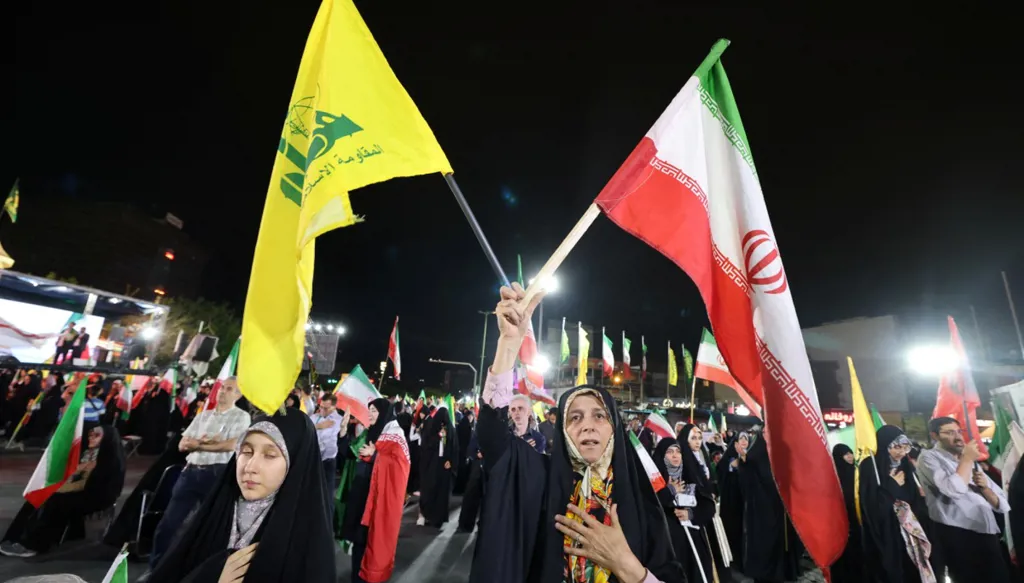
Returning to the elections and the circumstances surrounding them, the Quintet senses that all political actors, especially the major ones at the level of parliamentary blocs, are preparing for the deadline even under the current electoral law, with noticeable Shia enthusiasm within the “duo” (Hezbollah and the Amal Movement) for the elections, despite the state of anxiety prevailing among their base.
Disclaimer: The opinions expressed by the writers are their own and do not necessarily represent the views of Annahar

العلامات الدالة
الأكثر قراءة