Why Iran’s Islamic Republic has proven more resilient than the monarchy?


شارك على
 مسنجر
مسنجر
 واتساب
 ثريدز
ثريدز
 بريد إلكتروني
 الطباعة
شارك على


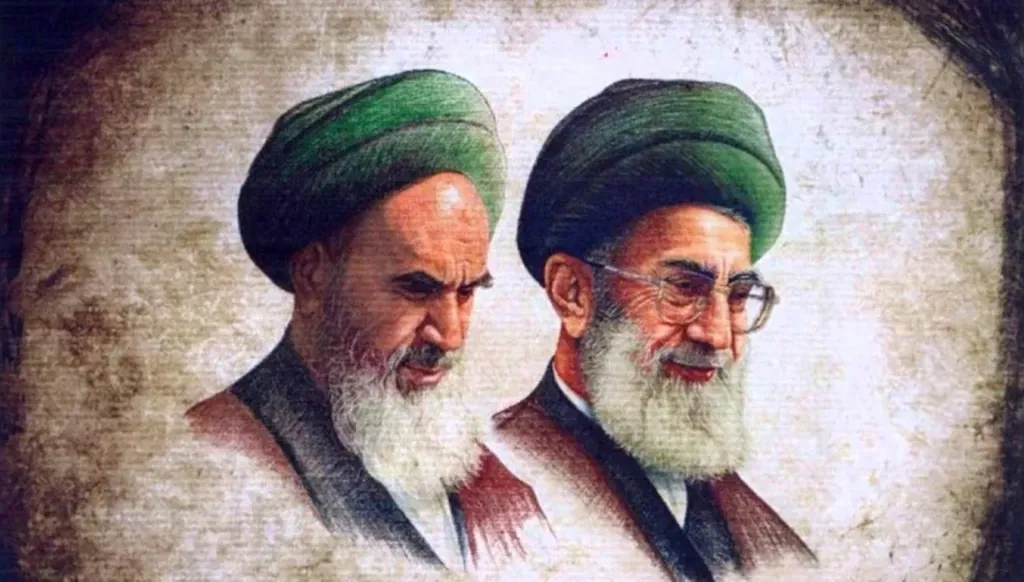


Why hasn't the Guardianship of the Islamic Jurist regime in Iran fallen like the Shah's regime in 1979? This question stirs deep political perplexity. While a revolution isn't impossible, its historic moment hasn't matured yet unless external factors can create a point of explosion or tip the scale of political power in Iran.
The fall of Shah Mohammad Reza Pahlavi wasn't a sudden event but a result of accumulated shifts starting from the Bolshevik Revolution in Russia in 1917, which contributed to the emergence of leftist parties and labor unions, increasing political awareness, rejecting foreign privileges, leading to the nationalization movement. Social changes following his father Reza Shah's visit to Turkey in 1934, and his attempt to import Ataturk's secular experience shocked a conservative society.
Similar to Ataturk in Turkey, the Pahlavi state was a national demand and an alternative to the weak Qajar government unable to protect Iran's unity post-WWII, and the Soviet influence on separatist nationalities, like the establishment of the People's Republic of Azerbaijan, and also the Republic of Kurdistan, prompting Iranians to crown military man Reza Ghuli Khan.
Likewise, the Islamic Republic led by Ayatollah Khomeini was an alternative to the monarchy and a response to colonial forces that overthrew the nationalizing government of Mosaddegh, meeting the demand for a shift to a republic, i.e., political, social, and economic change, against fears of the Ataturk-style secularism in Turkey and Zionism in Israel.
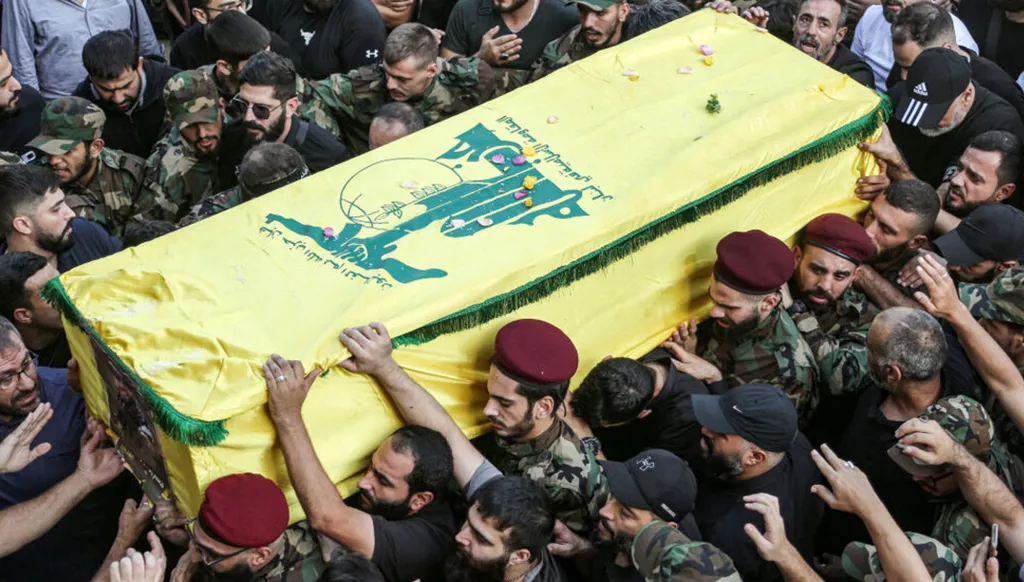
Unlike the Shah's regime where power was concentrated at the top, the Guardianship of the Islamic Jurist positions the Supreme Leader at the apex of power, drawing strength from a relatively loyal popular base through a complex mix of religious legitimacy, social and economic networks, and mobilization mechanisms. Achieved through religious education institutions, the Revolutionary Guard, Mobilization Forces, service, and charitable institutions.
Additionally, the regime succeeded in drawing closer by reviving Iranian folklore and ethnic heritage, unlike the Shah's era which focused on Western culture despite calls to revive Persian nationalism.
Amidst this foundation, the regime framed itself as Iran's last line of defense, exploiting narratives of perpetual threats from the United States, Israel, Western conspiracies, and sanctions, creating a rally-around-the-flag effect, where some reject its domestic and foreign policies, yet oppose regime overthrow due to external threats. As external pressures rise, the regime repositions itself as the nation's last defense.
The separatist armed opposition remains a concern for the societal base, with its terrorist operations causing pain in the Iranian memory, alongside the base's rejection of monarchist sympathizers or atheist and secular rebellious youth seeing Islam as backward. While some youth adopt Zoroastrianism as an ancient national religion and a spite against the regime, they don't represent the base, but a state of rejection of Iran's current reality.
Iran's regime operates as overlapping circles: an external one including government, parliament, presidency, and elections, managing daily affairs and addressing internal and external issues with limited decision margins, and an internal circle with the Supreme Leader, Revolutionary Guard, security apparatuses, decision-making institutions, setting red lines, and controlling major sovereign files. Between these circles, there are nomination and filtration mechanisms ensuring officials in the external circle align with internal interests, making political changes mostly superficial, with the core structure remaining static.
This structure enables the regime to contain without falling, negotiate without essential concessions, appearing externally flexible but internally resilient. This doesn't mean Iran is far from revolution; current events are part of a social trajectory with unaddressed demands, as new generations seek better living standards, eyeing neighboring countries' economic transformations.
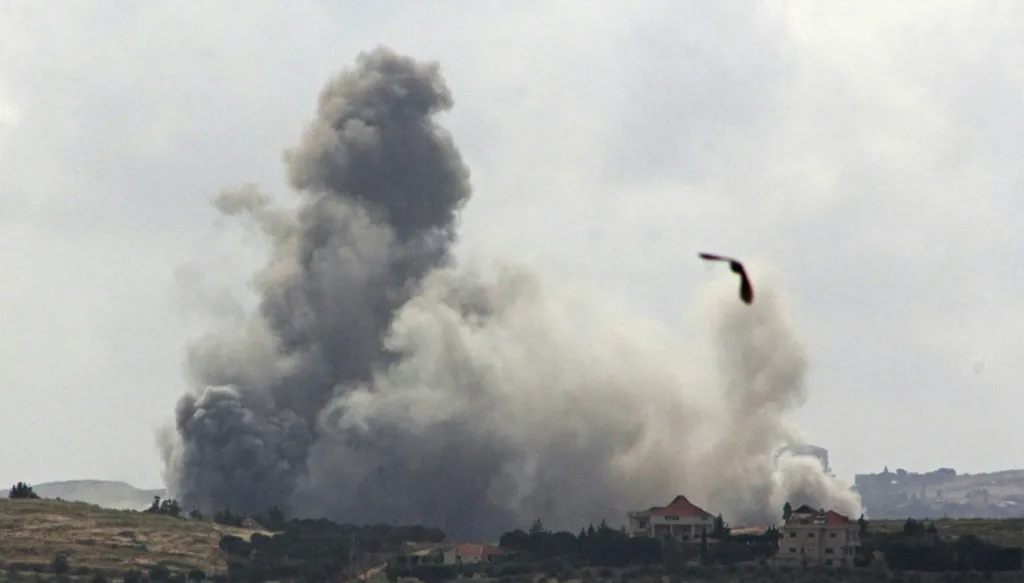
Finally, the collapse of state institutions if Iran faces external aggression, or if protests' pressure continues and broadens, could indeed confuse the Iranian regime and might lead to a military coup if the army seeks to maintain state safety and unity.

العلامات الدالة
الأكثر قراءة