Silver is back: Morocco exports, the Gulf consumes
Global data reveals a sharp divide in the Arab world between silver-producing and silver-importing countries amid rising industrial and renewable energy demand.


شارك على
 مسنجر
مسنجر
 واتساب
 ثريدز
ثريدز
 بريد إلكتروني
 الطباعة
شارك على


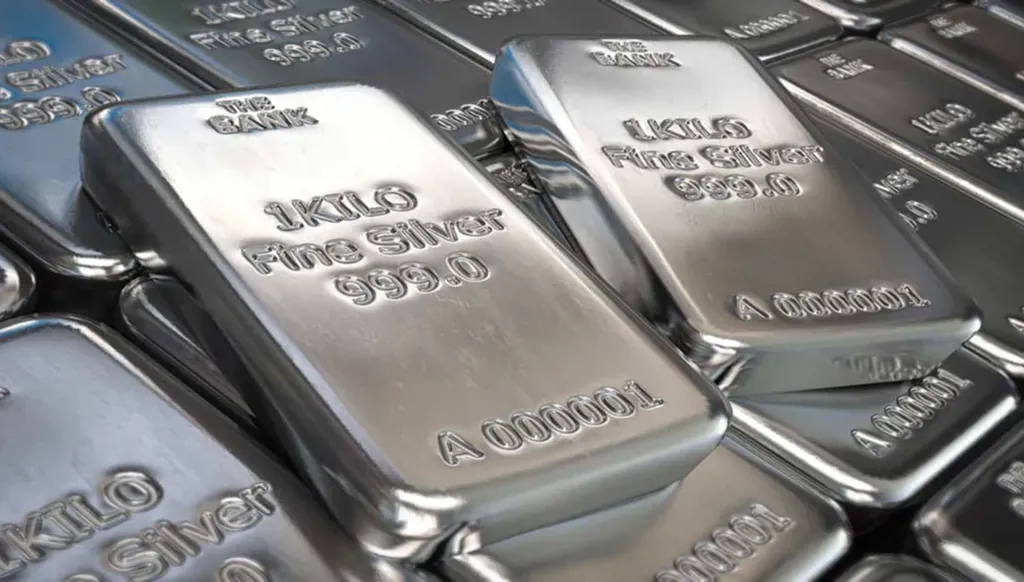


Morocco topped the list of the largest Arab silver-exporting countries, with exports valued at 231 million dollars, according to the "World Silver Survey 2025" issued by the Silver Institute (a U.S.-based industry research body), maintaining its position as the largest Arab exporter of this metal.
According to the report, Saudi Arabia ranked second in the Arab world with exports worth 8.28 million dollars, followed by Egypt at 1.48 million dollars, then Lebanon with about 0.43 million dollars, while Kuwait came fifth at 0.19 million dollars.
This ranking reveals a significant gap between Morocco and the rest of the Arab countries, as the vast majority of Arab silver exports are concentrated in the Kingdom of Morocco, which has a long history in silver extraction and is considered one of the main producers in the region.
Global silver market
Globally, Mexico, Peru, China, Russia, and Australia are among the largest holders of silver reserves and the biggest producers, as these countries contain massive mines that form the backbone of global supply. Mexico leads global silver production thanks to a wide network of active mines, followed by Peru and China.
Silver is widely used in electronics, solar energy, and medical equipment, in addition to its traditional role as a precious metal and an investment tool, making it a strategic element in global supply chains.
Imports in the Arab region
Conversely, other Arab countries emerge as major importers of silver, particularly the United Arab Emirates, Saudi Arabia, and Egypt, where silver is used in manufacturing industries, jewelry, commercial activities, and re-export. The UAE is considered one of the main hubs for precious metals trading in the region, benefiting from its position as a regional gateway for global trade.
Market data indicates that demand for silver in the Arab region is closely linked to the growth of industrial sectors and renewable energy, along with investment demand, especially during periods of economic volatility and rising precious metal prices.
This landscape reflects a clear disparity among Arab countries in terms of production and exports on one hand, and consumption and imports on the other, within a market that is gaining more global importance amid the accelerating shift toward clean technologies and sustainable energy.

العلامات الدالة
الأكثر قراءة