Trump balances diplomacy and military options on Iran


شارك على
 مسنجر
مسنجر
 واتساب
 ثريدز
ثريدز
 بريد إلكتروني
 الطباعة
شارك على


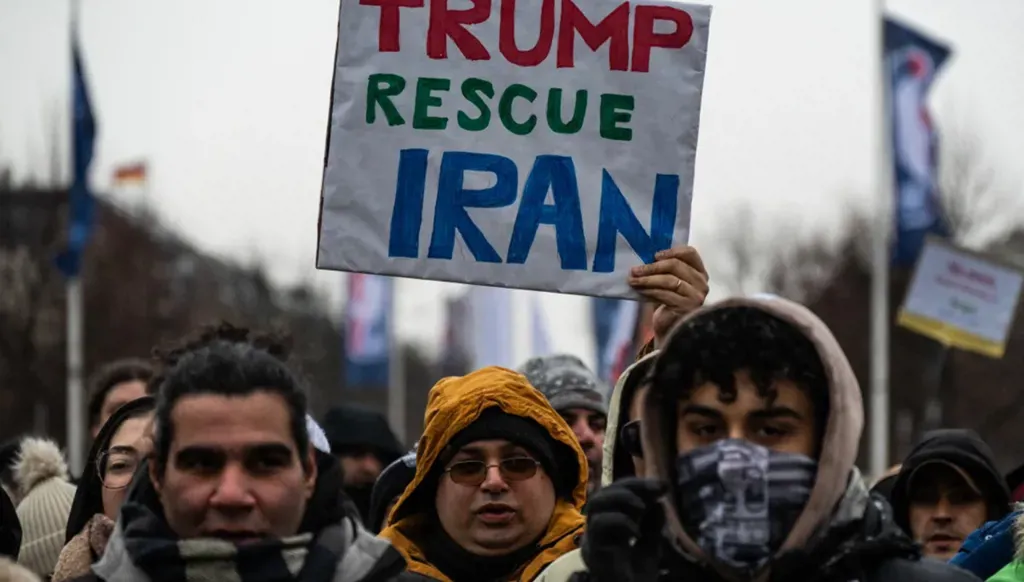


US President Donald Trump does not view Iran solely through the lens of protests calling for regime change. He is also now looking at the Iranian offer to negotiate over the nuclear program, an option that has not been available since the war of last June. At that time, the Iranian government refused to return to negotiations before receiving American guarantees that there would be no further Israeli or American strikes and insisted on the right to enrich uranium inside Iran.
There's no doubt that Trump instinctively leans towards reaching an agreement that would ends Iran's nuclear program rather than getting involved in the game of regime change and "nation-building" or sinking into endless foreign wars. He prefers the style of swift, limited strikes.
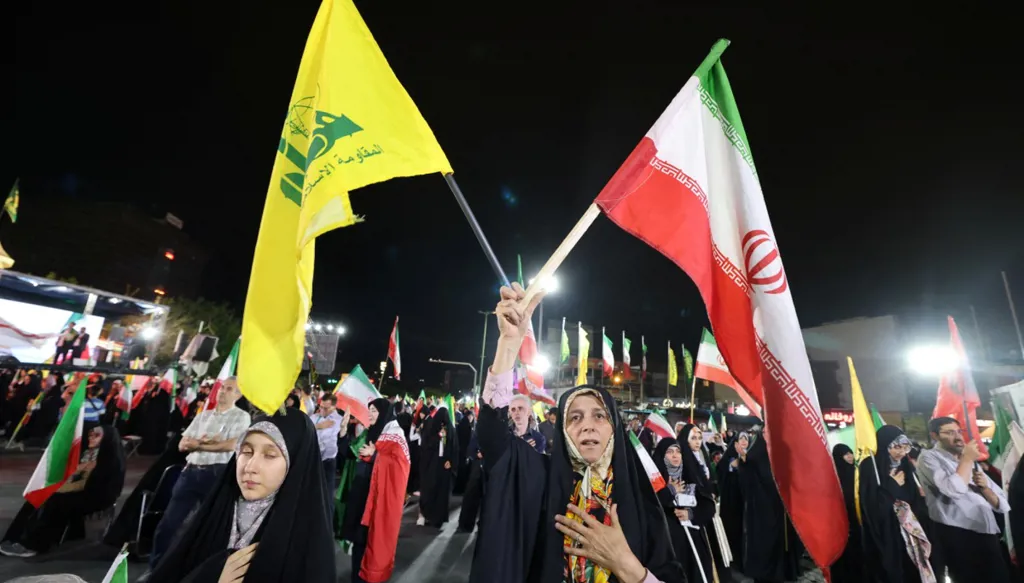
However, the US President will use the ongoing protests in Iranian cities as leverage to extract new concessions from Tehran in any agreement. Inside his administration, he has figures who encourage him to exhaust diplomacy before resorting to the military option. At the forefront of these figures is Vice President J. D. Vance, who was hesitant about the use of force even last June, when the United States bombed the nuclear facilities in Fordow, Natanz, and Isfahan
Opponents of the military option point out that the regime could use any American strike as evidence supporting their claim that the latest protests are orchestrated by the United States and Israel, and that they are a continuation of the June war. And what if civilians were killed in any American strike? Would such a development not strengthen the regime?
But Trump’s aides are not all of one opinion. Some argue that entering negotiations with Tehran now could strengthen the regime’s legitimacy at a moment when it is facing its most critical situation since the Israeli-American war six months ago. They believe that by returning to negotiations, the regime will once again try to buy time until it succeeds in containing the protests.
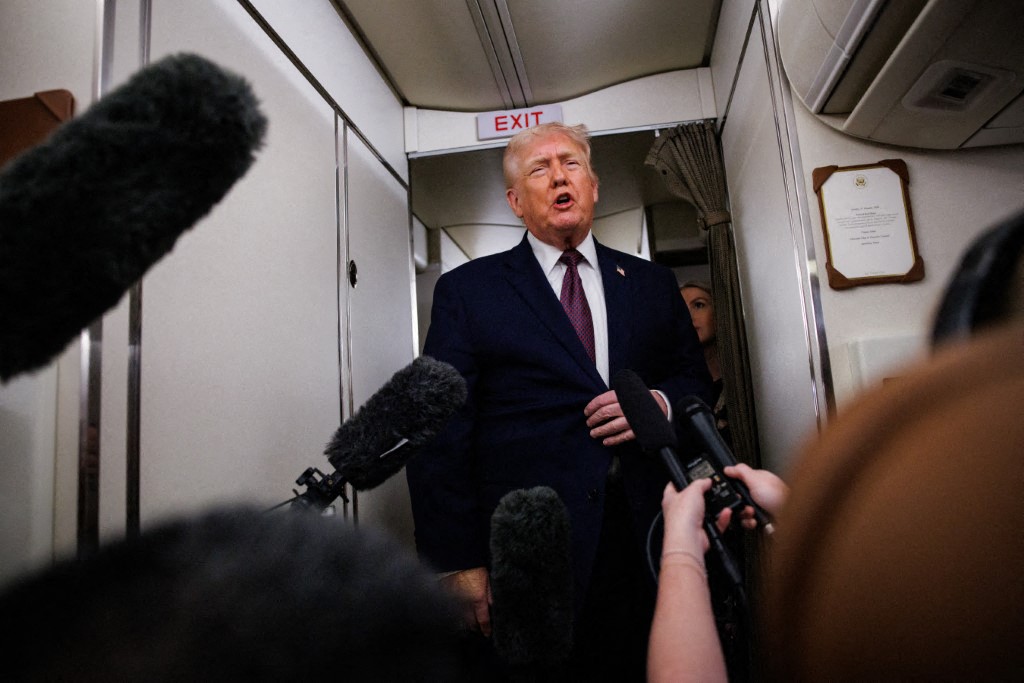
To avoid misinterpretation of the delay in directing American strikes on Iran, White House spokeswoman Caroline Lafayette clarified on Monday that Trump does not fear using force, but he prioritizes the diplomatic option.
In fact, Trump is not standing idly by in the meantime. He has imposed a 25 percent tariff on any country that conducts trade with Iran. This measure would deepen the economic crisis in that country, but at the same time threatens a renewal of trade wars, something that became clear when China quickly announced its intention to “defend its rights” after Trump’s announcement.
And even if Trump returns to negotiations, that would not prevent him from striking Iran if he believes that the military option serves diplomacy. When the American strikes happened in the summer, Trump had said shortly beforehand that he would give diplomacy an additional two weeks to reach an agreement with Tehran, but he ultimately joined the Israeli war.
According to what the American newspaper The Wall Street Journal revealed, Trump may launch his strike before going into a meeting with the Iranians. However, there are fears that such an action could lead Tehran to once again refuse negotiations and respond militarily against American bases and Israel, as Iranian officials have threatened. Among those officials is Foreign Minister Abbas Araghchi, who said that his country is prepared for both diplomacy and war at the same time.
Disclaimer: The opinions expressed by the writers are their own and do not necessarily represent the views of Annahar

العلامات الدالة
الأكثر قراءة