Behind Iran’s streets: Protests, politics, and power games
From cautious elite observers to Tehran’s strategic play, the latest protests reveal a complex struggle - where calls for change, foreign influence, and secretive maneuvers collide on Iran’s streets.


شارك على
 مسنجر
مسنجر
 واتساب
 ثريدز
ثريدز
 بريد إلكتروني
 الطباعة
شارك على


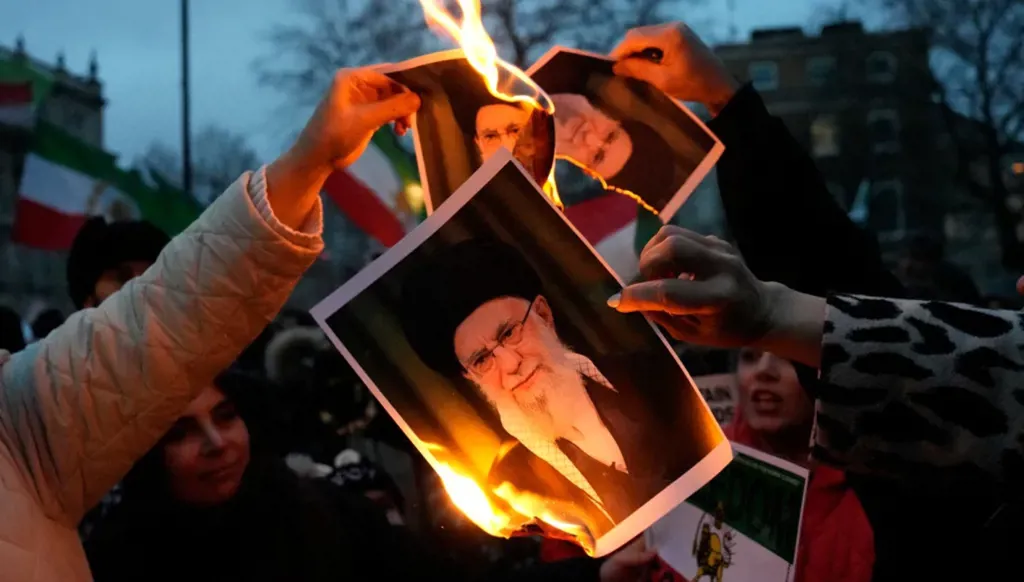


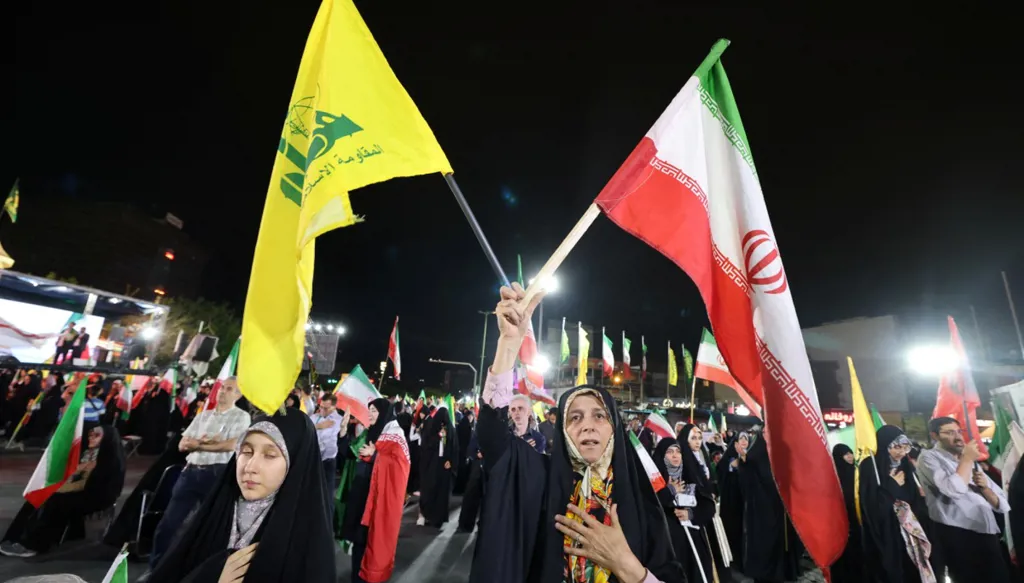
The image of a massive protest spreading through the streets of most Iranian cities has not materialized, and the escalation of protests does not necessarily mean it will lead to the outcomes some hope for, such as the overthrow of the regime, even if that possibility is considered.
Part of the movement seems strongly driven by a demand for change, a slogan clearly visible among the crowds, while another current suggests that what is happening may be calculated, with its outcome already determined. Regional and international pressures on Tehran could play a significant role in these events.
Leaks about the understandings between U.S. President Donald Trump and Israeli Prime Minister Benjamin Netanyahu during their last meeting at the end of last year indicated that the two leaders had postponed any military strike against Iran, as it would halt the massive popular uprising and the regime would use it to punish participants, considering the activists as serving a foreign enemy. However, President Trump later emphasized that his country would not remain silent if Iranian forces were to kill protesters.
The calls from Iran's former Crown Prince Reza Pahlavi do not appear to serve the overall course of the ongoing revolution. On one hand, they originate from the United States and urge President Trump to intervene militarily against the Iranian regime. On the other hand, they raise concern among large segments of the population, who do not want a return to Pahlavi rule, even though they oppose the velayat-e faqih system - the governance structure in Iran where ultimate political and religious authority rests with the Supreme Leader, a senior cleric. Meanwhile, the clear absence of leadership figures or symbols driving the uprising sparks fear among a wide audience, suggesting that the alternative to the regime could be chaos - or that there may be hidden motives behind the timing of these movements.
Observers from the Iranian elite abroad are very cautious about taking explicit stances on the unfolding events, wary that some of them may be orchestrated by government bodies or the Revolutionary Guard to prevent a foreign war - particularly American or Israeli strikes. The eventual outcome of the movement may already be known, with events occurring within a defined framework, shaped either by those who helped ignite it or by measures designed to improve living standards within certain limits. President Masoud Bazakian may use the current developments to strengthen his influence over the country’s key decisions.
It is surprising that the movement circulates among Persian-majority activists in historically regime-supportive conservative cities like Mashhad, with no significant movements in regions where minorities live, such as Baloch, Tajik, Arab, and Kurdish, which usually carry stronger opposition to the system's ideological composition. Notably, the previous uprising in 2022, sparked by the killing of Kurdish activist Mahsa Amini, was sourced from these areas.
The different skeptical perspective on what’s happening does not dismiss the imminent threat to the current regime or ignore surprises that could align with ongoing international developments. The recent regional and international circumstances have not favored the Iranian regime, leading to a considerable loss of influence in neighboring Arab and Asian areas. Its nuclear program suffered substantial damage due to Israeli and American bombings, and the influence of its allies has waned in several places, most recently with the imprisonment of their ally Venezuelan President Nicolás Maduro after being kidnapped from his presidential palace in Caracas by American commandos. Allies China and Russia appear relaxed and are not exerting significant efforts to defend Tehran.
Recently circulated information indicates that a firm message from the United States demanded that the Iranian leadership declare the abandonment of its military nuclear program, halt advanced smart missile tests, and suspend support for organizations abroad - mostly labeled as terrorist by American standards - or face inevitable military strikes.
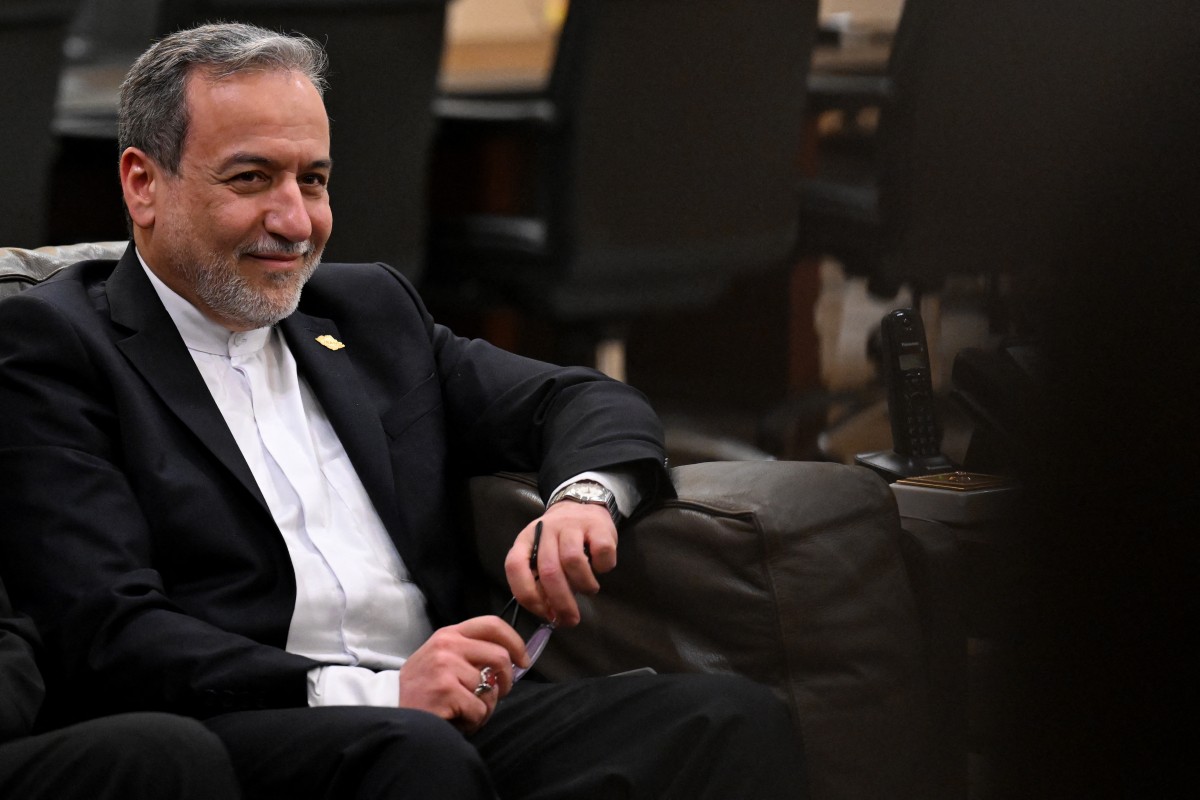
In the modern political science dialectic, contemporary pragmatism does not align with ethics in international relations, and Tehran's leaders are known for their intelligence in navigating these principles. Their hidden intentions may be far more extensive than what is publicly announced. Demonstrating their ability to suppress a widespread uprising today could benefit them more than the damage caused by ongoing movements. Observing Iran's Foreign Minister Abbas Araghchi's composed demeanor during his last visit to Beirut -ignoring everything occurring in Iran - reveals part of this cunning, as he showed no signs of concern, acting as if nothing were happening.
Disclaimer: The opinions expressed by the writers are their own and do not necessarily represent the views of Annahar.

العلامات الدالة
الأكثر قراءة