Snow, floods, and high seas: Severe winter storm hits Lebanon


شارك على
 مسنجر
مسنجر
 واتساب
 ثريدز
ثريدز
 بريد إلكتروني
 الطباعة
شارك على


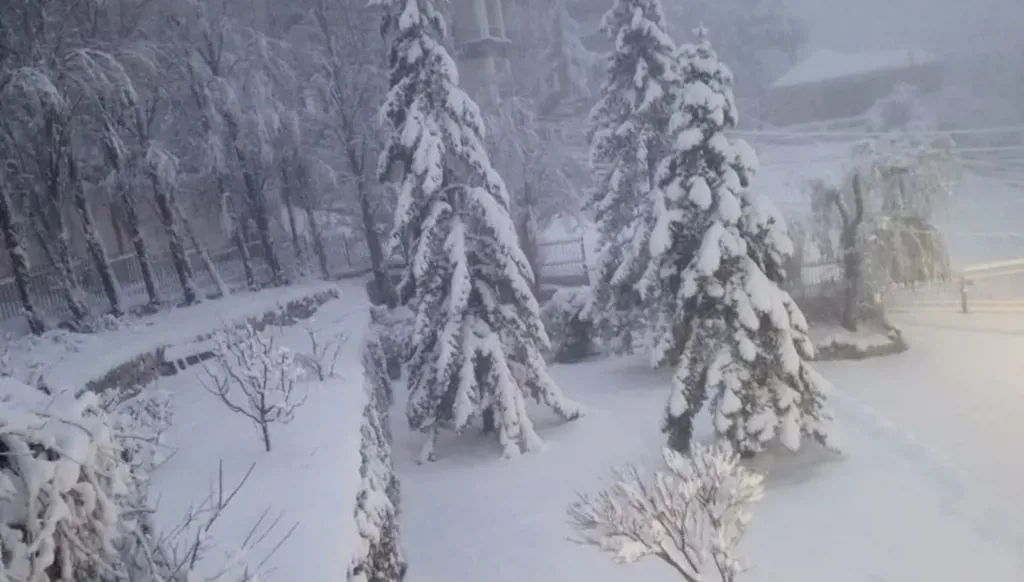


The intensity of the storm hitting Lebanon increased during the night hours, as Lebanese areas witnessed heavy rainfall and snowfall on the highlands, where it reached 1000 meters at night.
A highly active low-pressure system, coming from north of the Black Sea, has been affecting Lebanon and the eastern Mediterranean basin since yesterday, Monday. It is accompanied by very cold air masses that are causing a marked and sharp drop in temperatures, heavy rain, thunderstorms, and strong winds.
It is expected to continue until Wednesday morning before gradually retreating, leaving behind a cold wave and ice formation on inland and mountain roads.
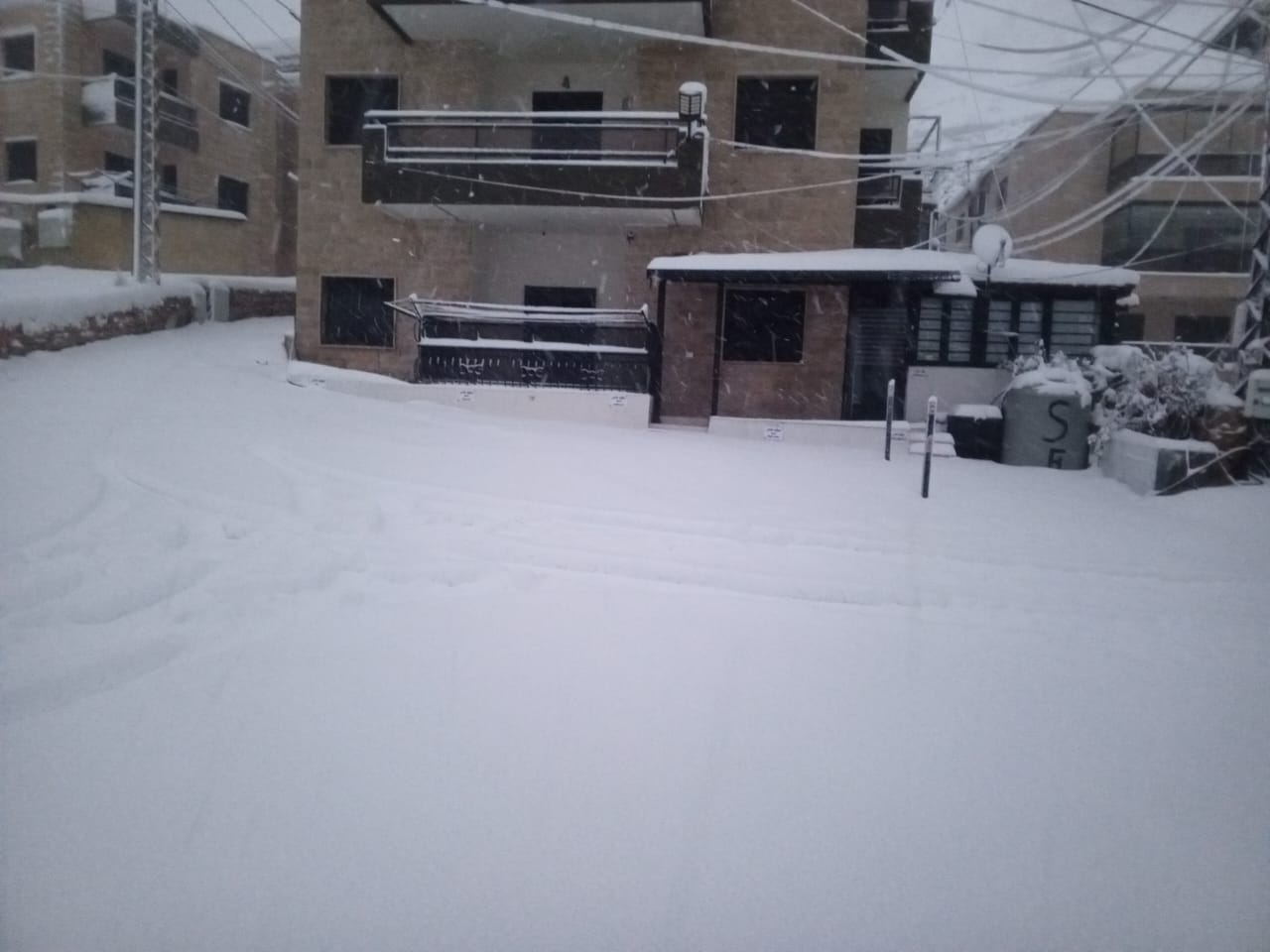
Warning: risk of flooding, soil erosion, and danger when using mountain roads above 1400 meters due to snow accumulation. Warning of billboards and solar panels being blown off along roads due to strong winds, and of the sea waves rising today, Tuesday, up to around 5 meters.
Note: The average January temperature in Beirut ranges between 12 and 19 degrees Celsius, in Tripoli between 9 and 17, and in Zahle between 3 and 13.
The scene in northern Lebanon
A "pitch-black night", as locals in the northern highlands call it. Had the highlands not been connected by snow during the night, dawn would have risen today on floods and overflow in more than one coastal area, and countless disasters would have taken place.
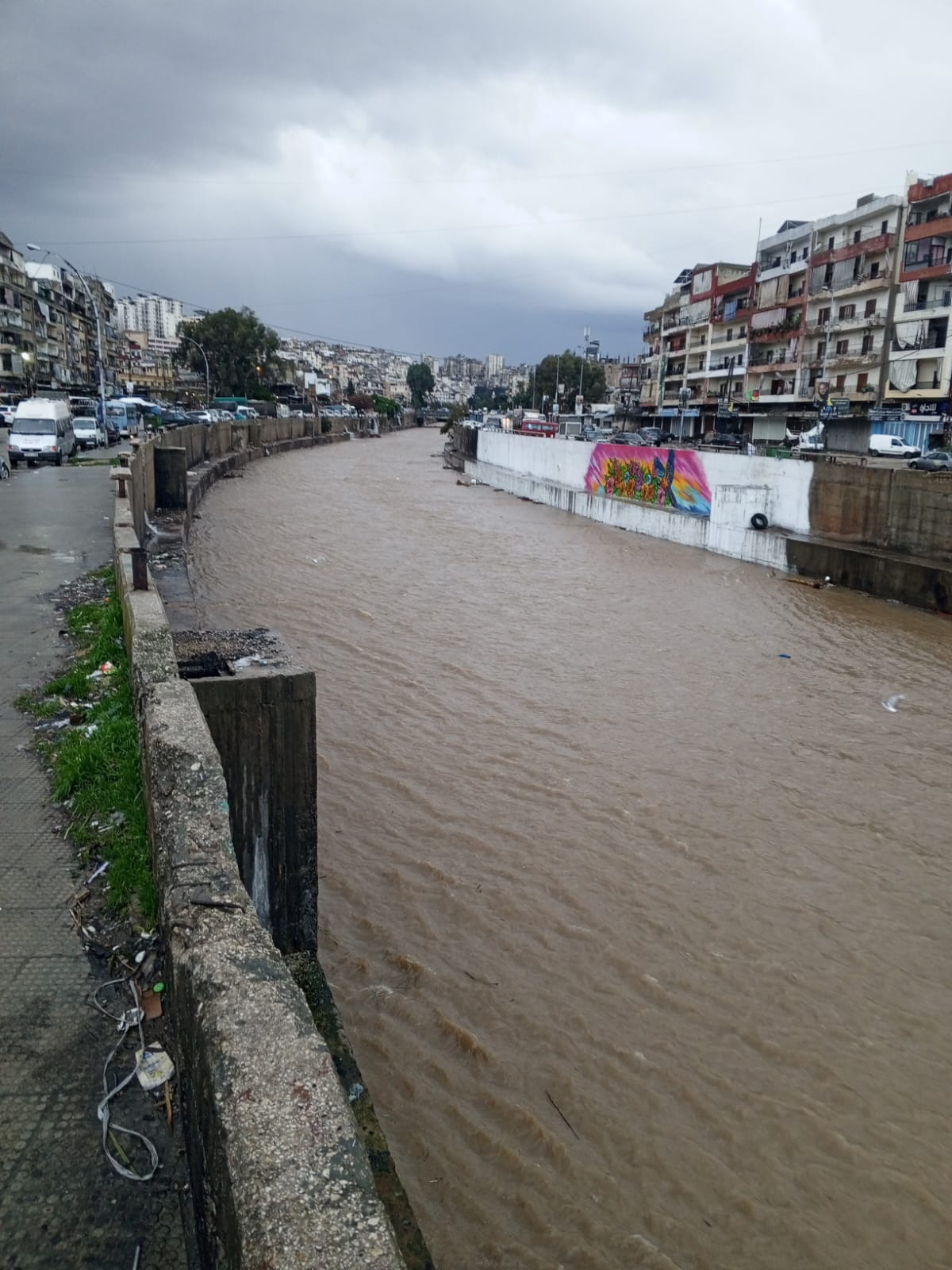
Hours of continuous heavy rain activated the winter waterways, turning the Abu Ali River in Tripoli red and raising the level of its flowing waters due to the raging floodwaters coming from the highlands of Ehden, Bsharri, and Koura. Other rivers in northern Lebanon also moved, and the northern coastline turned reddish due to the mud and silt carried by the floods.
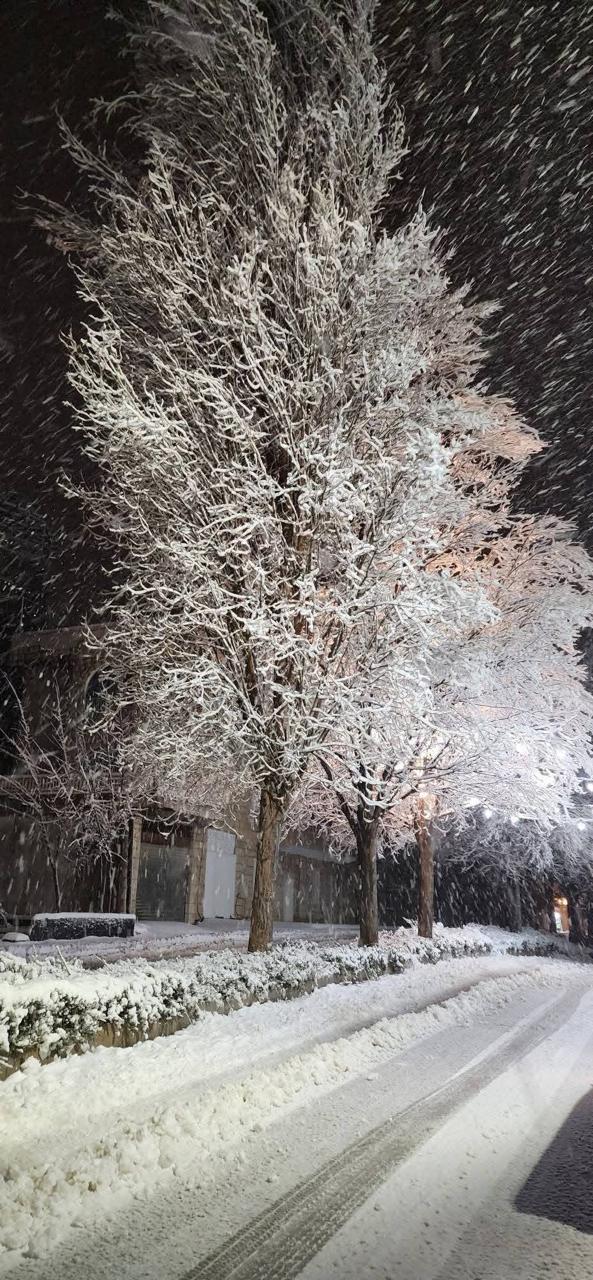
With the first night hours and the start of snowfall in the highlands, the level of the raging floods decreased, and thick white snow covered villages and towns starting from an elevation of 1200 meters and above, while heavy snowfall continued until the morning and threatened lower areas down to around 1000 meters.
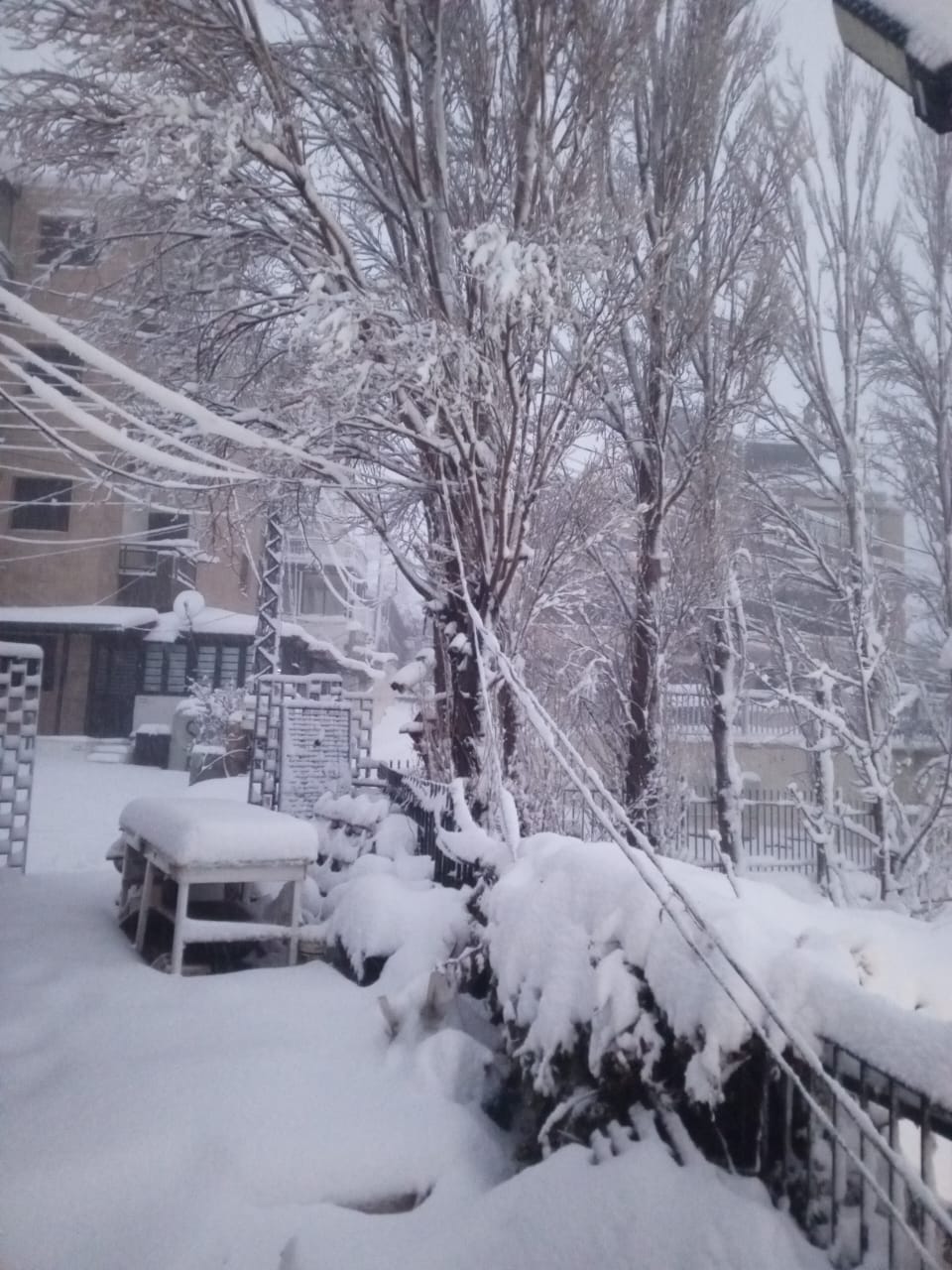
Heavy rains turned roads into ponds and swamps, and movement appeared almost non-existent on the coast. As for the highlands, heavy snowfall continued, while snow removal machinery worked to keep main roads open but faced many difficulties due to the snow’s density and the cutting off of most secondary roads because of snow accumulation, which caused villages to become isolated from one another.

العلامات الدالة
الأكثر قراءة